Food safety
Can Dogs Eat Hot Dogs? Not a Good Idea — Here's Why
Hot dogs are not a good treat for dogs. One that your dog snatches off the grill is unlikely to do lasting harm, but hot dogs are packed with salt, are heavily processed, may be seasoned with garlic or onion powder, and are shaped almost perfectly to choke a dog that gulps. Buns, chili and toppings add their own problems. Here is what to do if your dog ate one, and how to keep cookouts safe.
By Matt GarnettUpdated November 13, 20264 min read3 sources
Why hot dogs are a poor choice for dogs
The AKC calls salt the biggest problem with hot dogs. It notes that a 33 lb dog needs only a small amount of sodium a day and that a typical hot dog carries more than double that, so even half a hot dog can go over a dog's daily limit. Over time, a salty diet is linked to dehydration and high blood pressure.
Hot dogs are also processed meat, made with curing agents such as sodium nitrate, flavor enhancers, sugars and spices. The AKC points out that some contain garlic or onion powder, which can be toxic to dogs. The ASPCA advises against processed meats for pets in general because of their salt content.
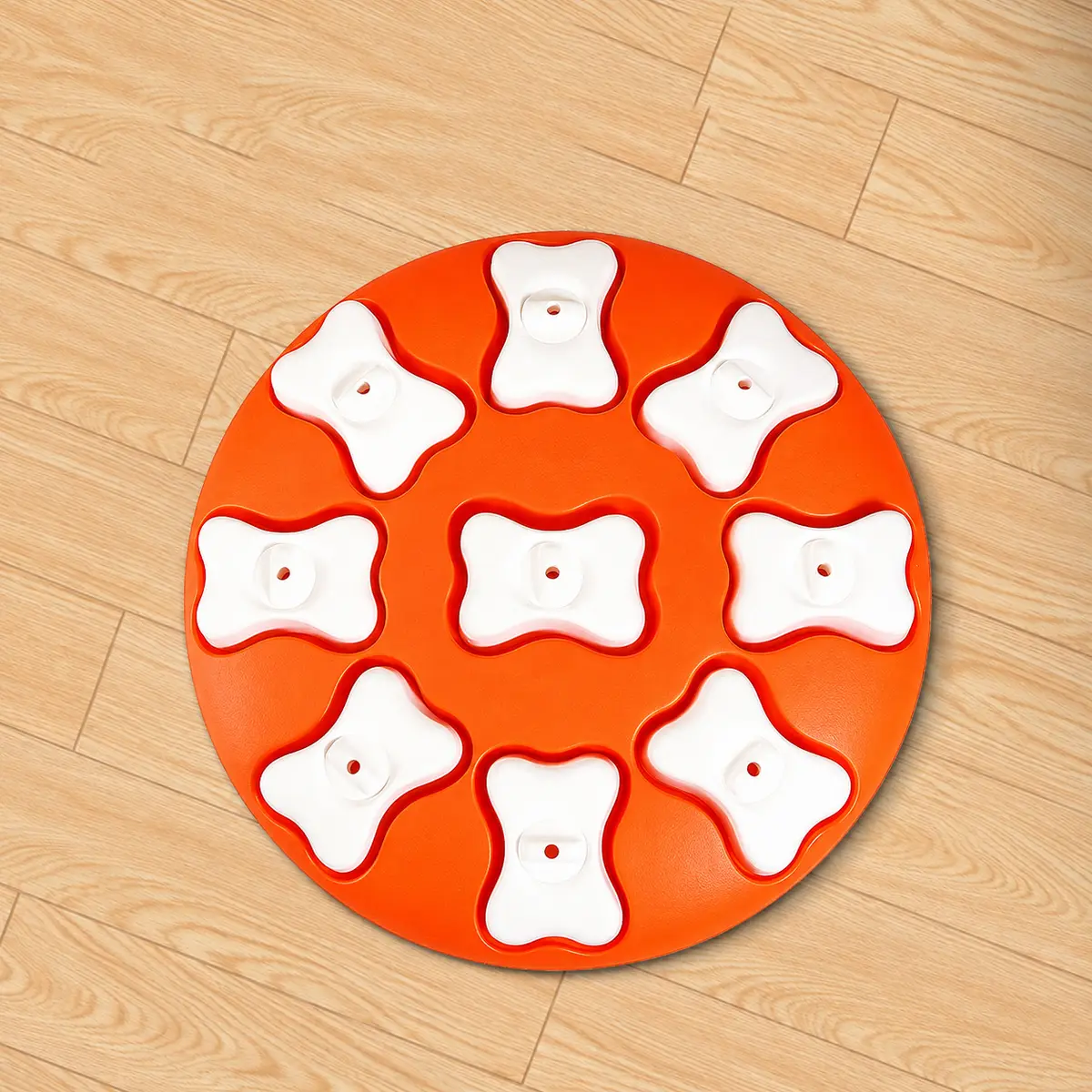
Spreading a few safe pieces across a snuffle mat or packing them into a puzzle toy turns a small treat into a few minutes of sniffing work.
The choking risk
A hot dog is a smooth, firm cylinder that a dog can swallow almost whole, and the AKC notes the choking risk is especially high for large dogs that gulp. A whole hot dog or a thick chunk can lodge in the throat in a second, which is the same reason hot dogs are a known choking hazard for small children.
If your dog has snatched a hot dog and is gagging, pawing at its mouth, drooling heavily or struggling to breathe, treat it as an emergency and get to the nearest vet clinic straight away. If you must share a tiny piece, slice it lengthwise and then into small bits.
What to do if your dog ate a hot dog
One plain hot dog is usually not harmful, according to the AKC. Make sure fresh water is available, skip treats for the rest of the day, and expect at most a mild upset stomach or loose stool that passes within a day.
Call your vet if diarrhea lasts more than a day, if vomiting comes with diarrhea, which can dehydrate a dog quickly, or if your dog ate several hot dogs, especially a dog under 20 lb. Signs of too much salt, such as extreme thirst, vomiting, wobbliness or tremors, need to be seen today. If you know the hot dogs or chili had onion or garlic, call your vet, ASPCA Animal Poison Control at (888) 426-4435 or Pet Poison Helpline at (855) 764-7661; a fee may apply.
Buns, chili and toppings
The bun is mostly refined flour and is not toxic, but it adds calories. Chili dogs bring onion and garlic, and so do relish blends, sauerkraut with onion, and many seasoning mixes. Ketchup is sugary and mustard can irritate the stomach. Cheese sauce adds fat and salt.
Corn dogs are battered and fried, which adds a lot of fat, and the stick is a serious danger: a swallowed wooden skewer can pierce the throat or gut. If your dog ate a corn dog stick, call your vet right away even if it seems fine.
Fourth of July and cookout safety
The Fourth of July, Memorial Day and summer ballgames are when most dogs get hold of hot dogs, along with corn cobs, bones, skewers and salty chips. Keep your dog away from the grill and the serving table, ask guests not to share scraps, and use a lidded trash can for plates, cobs and sticks.
Fireworks can make dogs frantic, and frightened dogs are more likely to bolt or raid food. Give your dog a quiet room with water and a safe chew. For a cookout treat, the AKC suggests plain grilled chicken, beef or pork with no salt or seasoning, cut into bite-size pieces.
Puppies and safer treats
Puppies should not have hot dogs. A small body handles salt poorly, and a puppy that gulps a chunk is at real risk of choking. Use small, soft training treats made for puppies instead.
If you like using hot dog pieces as a high-value training reward, as some trainers do, a lower-sodium option cut into tiny pieces and used sparingly is less risky, but plain cooked chicken is better still. Ask your vet if your dog needs a low-sodium diet for its heart or kidneys.
This page is general information, not veterinary advice, and it cannot replace an examination by the vet who knows your pet.
Common questions
Can dogs eat cooked hot dogs?
A plain cooked hot dog is not toxic, but it is very salty and processed, so it is a poor treat. If your dog ate one, offer water and watch for mild stomach upset. Cut any shared piece small to prevent choking.
Can dogs eat raw hot dogs?
Hot dogs are precooked, but eating them cold out of the package carries a small risk of Listeria, and the salt and choking risks are the same. It is better not to use hot dogs as a regular treat.
Can dogs eat hot dog buns?
A plain bun is not toxic, but it adds empty calories and offers nothing useful. A small piece is unlikely to cause harm. Avoid buns with garlic butter, seeds coated in salt, or raisins.
Can dogs eat corn dogs?
No. Corn dogs are fried and salty, and the wooden stick can splinter or pierce the throat or gut if swallowed. Call your vet straight away if your dog ate a corn dog stick, even if it seems fine.
Are turkey or chicken hot dogs better for dogs?
They may be lower in fat, but they are still processed, salty and a choking hazard. Plain cooked turkey or chicken breast with no seasoning is a much better option to share.
Sources we checked
This guide is general information, not veterinary advice. If your pet is unwell or injured, contact your veterinarian.