Food safety
Can Dogs Eat Ham Bones? No — Cooked Bones Splinter
No, dogs should not eat ham bones. A cooked ham bone is brittle and splinters into sharp shards that can choke a dog, cut the mouth or throat, puncture the gut or cause a blockage. The American Kennel Club's chief veterinarian advises never giving a dog cooked bones of any kind. Ham itself adds salt and fat that can trigger vomiting or pancreatitis. If your dog has just eaten a ham bone, here is what to do, the signs that mean a vet visit, and safer holiday treats.
By Matt GarnettUpdated November 13, 20264 min read3 sources
Why ham bones are dangerous
Cooking changes bone. The AKC explains that cooked bones splinter into shards that can cause choking and damage to the mouth, throat or intestines, and a spiral-cut or bone-in holiday ham has been baked for hours. The thick leg bone looks sturdy, but a dog chewing hard can crack off pieces with knife-like edges.
VCA Animal Hospitals lists what bone fragments can do: break teeth, lodge around the jaw, stick in the esophagus, puncture the stomach or intestine and cause peritonitis, or collect in the colon and cause painful constipation. Several of those need sedation, endoscopy or surgery to fix.
Salt, fat and glaze on ham bones
A ham bone rarely comes clean. Cured ham is high in sodium, and the AKC notes that ham's fat and salt make it a poor choice, especially for dogs with a history of pancreatitis. Fat clinging to the bone and drippings in the pan can be enough to upset a dog's stomach or set off pancreatitis.
Glazes add more: brown sugar, honey, pineapple, cloves and mustard, and some include onion or garlic. A boiled-down ham bone from soup is no safer, since the bone is softened but still breaks into sharp pieces and the broth is very salty.
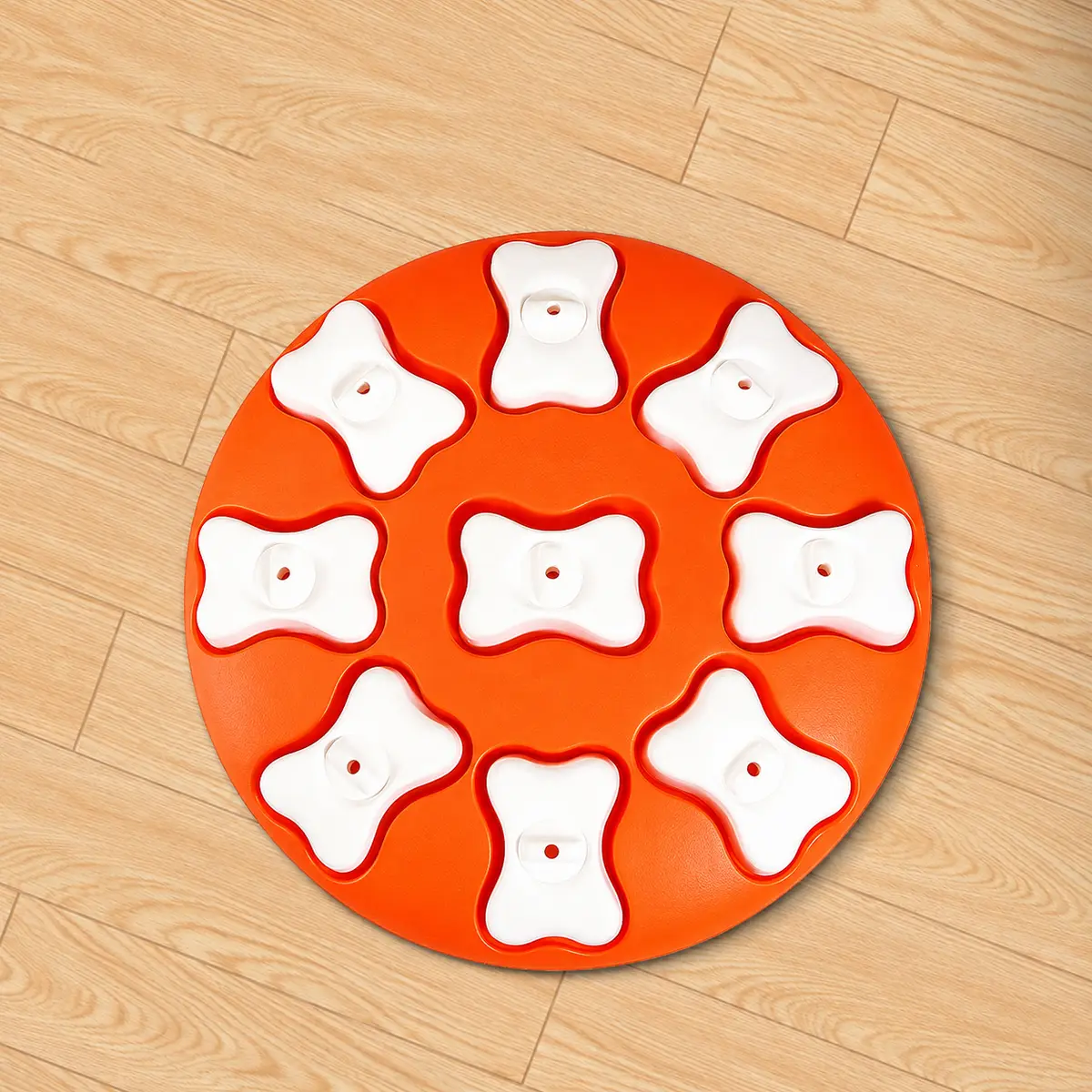
Spreading a few safe pieces across a snuffle mat or packing them into a puzzle toy turns a small treat into a few minutes of sniffing work.
My dog ate a ham bone: what to do
Take the rest of the bone away calmly, check the mouth for stuck pieces, and look at what is missing. Do not try to make your dog vomit at home, as sharp fragments can do more damage coming back up. Call your vet, describe the size of the bone and your dog's weight, and follow their advice.
Many dogs pass small fragments without trouble, but your vet may want to see your dog, take X-rays, or ask you to watch closely for 24 to 72 hours. Keep feeding normal meals unless told otherwise, and check that stool is passing and looks normal.
Signs that need a vet
Go to a vet or emergency clinic straight away for choking, gagging, pawing at the mouth, heavy drooling, difficulty breathing, or a dog trying to vomit without bringing anything up. VCA notes that choking is an emergency that needs immediate veterinary attention.
Over the next few days, call your vet the same day for repeated vomiting, refusing food, a tense or painful belly, lethargy, straining to pass stool, or black, tarry or bloody stool. The AKC lists vomiting, diarrhea, lethargy and loss of appetite as signs of pancreatitis after a fatty meal, which can be serious.
Size matters, but no dog is safe
A dog under 20 lb can be seriously hurt by a fragment a large dog might pass, and its smaller intestine blocks more easily. Large dogs over 50 lb have strong jaws that crack bones into more pieces, and they are more likely to swallow big chunks whole.
There is no safe amount or safe size of cooked ham bone for any dog. Dogs of 20 to 50 lb face both problems. Whatever your dog's weight, a cooked bone should go straight into a lidded trash can.
Puppies and ham bones
Puppies chew constantly while teething, which makes a bone look like an obvious toy. Their mouths, throats and intestines are smaller, and their baby teeth break easily, so a cooked bone carries even more risk for them than for an adult.
Give teething puppies chew toys made for their size and age instead, and keep holiday leftovers out of reach. If a puppy swallows any piece of cooked bone, call your vet for advice the same day.
Holiday ham safety and safer treats
Bone-in hams appear at Christmas, Easter and Thanksgiving, and the risky moment is usually after dinner. Carve away from the counter edge, put the bone and drippings in a lidded trash can or take them outside, and ask guests not to slip scraps under the table.
If you want to include your dog, a thumbnail-size piece of lean, plain cooked turkey or chicken breast without skin is a better treat than ham. For chewing, choose a chew made for dogs, sized so it cannot be swallowed whole; VCA suggests looking for the Veterinary Oral Health Council seal on dental chews.
This page is general information, not veterinary advice, and it cannot replace an examination by the vet who knows your pet.
Common questions
Can dogs eat raw ham bones?
Raw bones splinter less than cooked ones, but they can still break teeth, cause blockages and carry bacteria such as Salmonella and Listeria, according to VCA. Ham bones are also salty and fatty, so they are not recommended raw or cooked.
Will a ham bone dissolve in a dog's stomach?
Stomach acid softens some bone, but cooked bone fragments can still pierce or block the gut before that happens. Do not wait for it to dissolve; call your vet if your dog ate a ham bone and watch for vomiting or straining.
Should I feed bread after my dog ate a bone?
Do not try home remedies without asking first. Some vets suggest a bulky meal in certain cases, but the right step depends on the bone and your dog. Call your vet and describe what was eaten.
Can dogs eat ham bone broth?
Ham bone broth is usually very salty and may contain onion or garlic, so it is not a good choice. A low-sodium bone broth made for dogs, without onion or garlic, is a safer way to add flavor.
How long after eating a bone will a dog show symptoms?
Choking or mouth injuries show at once. Vomiting, belly pain or straining from a blockage can appear within hours or take two to three days. Keep watching for at least 72 hours and call your vet if anything changes.
Sources we checked
This guide is general information, not veterinary advice. If your pet is unwell or injured, contact your veterinarian.