Food safety
Can Dogs Have Goat Milk? Tolerance and Precautions
Yes, some dogs can tolerate a little goat milk as an occasional extra, but others develop digestive upset. The AKC includes goat milk in its milk guidance and warns that many dogs have difficulty digesting lactose. Goat milk is not a necessary drink or a replacement for a complete diet. If your dog has digestive problems or dietary restrictions, ask your veterinarian before offering it.
By Matt GarnettUpdated November 13, 20264 min read3 sources
Goat milk is still milk
The fact that milk comes from a goat does not remove the question of tolerance. The AKC explains that dogs vary in how they handle dairy and that many are lactose intolerant. A dog that enjoys the taste may still develop a digestive reaction after drinking it.
Keep the question specific to the dog in front of you. Another dog’s experience, a seller’s claim, or a pleasant smell does not establish suitability. If dairy has caused trouble before, choosing a different reward is more sensible than repeating the exposure to see whether goat milk behaves differently.
Watch for digestive changes
The AKC lists loose stools, gas, vomiting, abdominal pain, and diarrhea among signs associated with milk intolerance. It also notes that a large amount of milk can cause upset even in a dog that is not lactose intolerant. Symptoms after drinking milk do not establish a diagnosis by themselves.
Stop offering the milk if a reaction occurs and tell your veterinarian what was given, when, and what changed afterward. Include any other new foods or treats. Repeatedly trying different dairy products at home can make that history harder to interpret and prolong an avoidable problem for the dog.
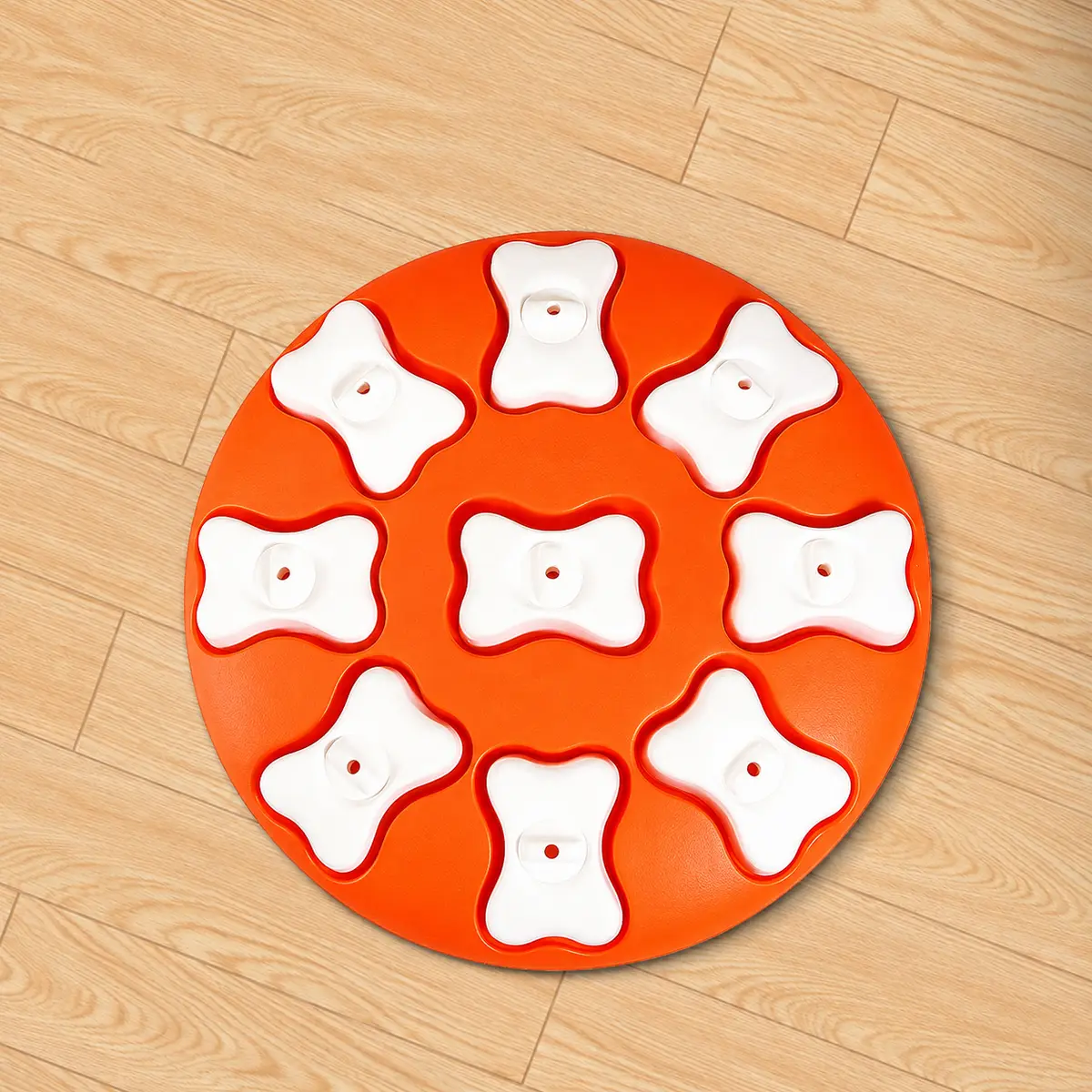
Spreading a few safe pieces across a snuffle mat or packing them into a puzzle toy turns a small treat into a few minutes of sniffing work.
Consider the whole diet rather than one ingredient
Milk contributes fat and natural sugar as well as fluid. The AKC cautions that too much can contribute to obesity and pancreatitis. An optional extra should therefore be considered alongside the regular meals and all the rewards the dog already receives, rather than treated as nutritionally invisible.
VCA’s feeding guidance explains that dogs need an appropriate balance of nutrients. A complete food suitable for the dog’s life stage is the foundation. Adding milk does not correct an unknown nutritional deficiency, and an owner should not replace part of a prescribed diet with a dairy product without discussing that change.
Keep drinking water available
VCA advises that fresh drinking water should be available to dogs. Goat milk does not need to become the routine drink beside the food bowl. Provide clean water and follow the veterinarian’s instructions if illness affects drinking, appetite, or the dog’s ability to keep fluids down.
If the reason for offering milk is that the dog has stopped eating or drinking normally, contact the clinic about that change. A tempting drink can obscure the original concern without explaining it. Tell the veterinarian about any change in thirst as well as the milk or other foods you have offered.
Puppies need their own nutritional advice
A young puppy’s needs cannot be worked out by reducing an adult dog’s snack. VCA describes growth as a life stage with specific nutritional demands. Puppies need an appropriate complete growth diet once weaned, and very young puppies with feeding difficulties need prompt guidance from the veterinarian.
Do not turn an adult-dog treat answer into a homemade milk-replacement recipe. VCA’s birth-to-weaning guidance specifically says not to use goat or cow milk as a substitute for the mother’s milk. If a puppy cannot nurse, ask the clinic about suitable care rather than improvising with milk from the refrigerator.
Decide with your veterinarian when restrictions apply
Dogs being managed for excess weight, digestive disease, or a suspected food reaction may need a more restricted approach to extras. Discuss goat milk before offering it in those circumstances. If it is allowed, make sure every person who gives treats knows the same limits and records any digestive changes.
This page is general information, not veterinary advice, and it cannot replace an examination by the vet who knows your pet.
Common questions
Is goat milk lactose-free for dogs?
No. Goat milk should not be assumed to avoid lactose-related problems. The AKC includes it in milk guidance and notes that many dogs have difficulty digesting dairy and can develop intestinal upset.
Can goat milk replace my dog’s drinking water?
No. Keep fresh drinking water available. Goat milk is an optional food extra for a dog that tolerates it, and a change in normal drinking should be discussed with your veterinarian.
Can I give goat milk to a puppy that cannot nurse?
Do not improvise a replacement with goat milk. VCA advises against goat and cow milk as substitutes during early puppy care. Contact the veterinarian promptly about appropriate feeding and the puppy’s condition.
What should I do if goat milk causes diarrhea?
Stop giving the milk and contact your veterinarian about the symptoms, especially if they persist, worsen, or occur with vomiting, weakness, or poor appetite. Describe all recent foods and the timing.
Sources we checked
This guide is general information, not veterinary advice. If your pet is unwell or injured, contact your veterinarian.