Food safety
Can Dogs Eat Garlic? No — It Is Toxic to Dogs
No, dogs should not eat garlic: it is toxic to them in every form, raw, cooked, powdered or baked into food. Garlic damages a dog's red blood cells and can cause anemia, and the serious signs often appear two to five days after the meal. If your dog ate garlic or a garlicky dish, call your vet, ASPCA Animal Poison Control at (888) 426-4435 or Pet Poison Helpline at (855) 764-7661 now; a consultation fee may apply.
By Matt GarnettUpdated November 13, 20264 min read2 sources
Why garlic is toxic to dogs
Garlic belongs to the allium family with onions, chives and leeks. When it is chopped, crushed, chewed or digested, it releases sulfur compounds that cause oxidative damage to red blood cells. The damaged cells break apart, and a dog can become anemic, meaning its blood carries less oxygen.
The AKC notes that garlic is roughly five times more toxic than onion, ounce for ounce, and the ASPCA lists all alliums among foods pets should never eat. Cooking does not make garlic safe, so roasted garlic, garlic butter and garlic powder all carry the same risk.
Warning: powders, concentrates and sensitive breeds
Garlic powder, garlic salt and concentrated supplements are the most potent forms, and the AKC says even a small sprinkle could harm a small dog. They hide in pizza crust, pasta sauce, seasoning rubs, gravy, garlic bread, deli meats and many snacks, so a dog can eat a meaningful amount without anyone seeing whole cloves.
Akitas and Shiba Inus may be more sensitive to red blood cell damage, and dogs that already have anemia or liver disease may be at higher risk. Garlic-based flea and tick products are not recommended either: the AKC notes the amount needed often approaches the toxic level.
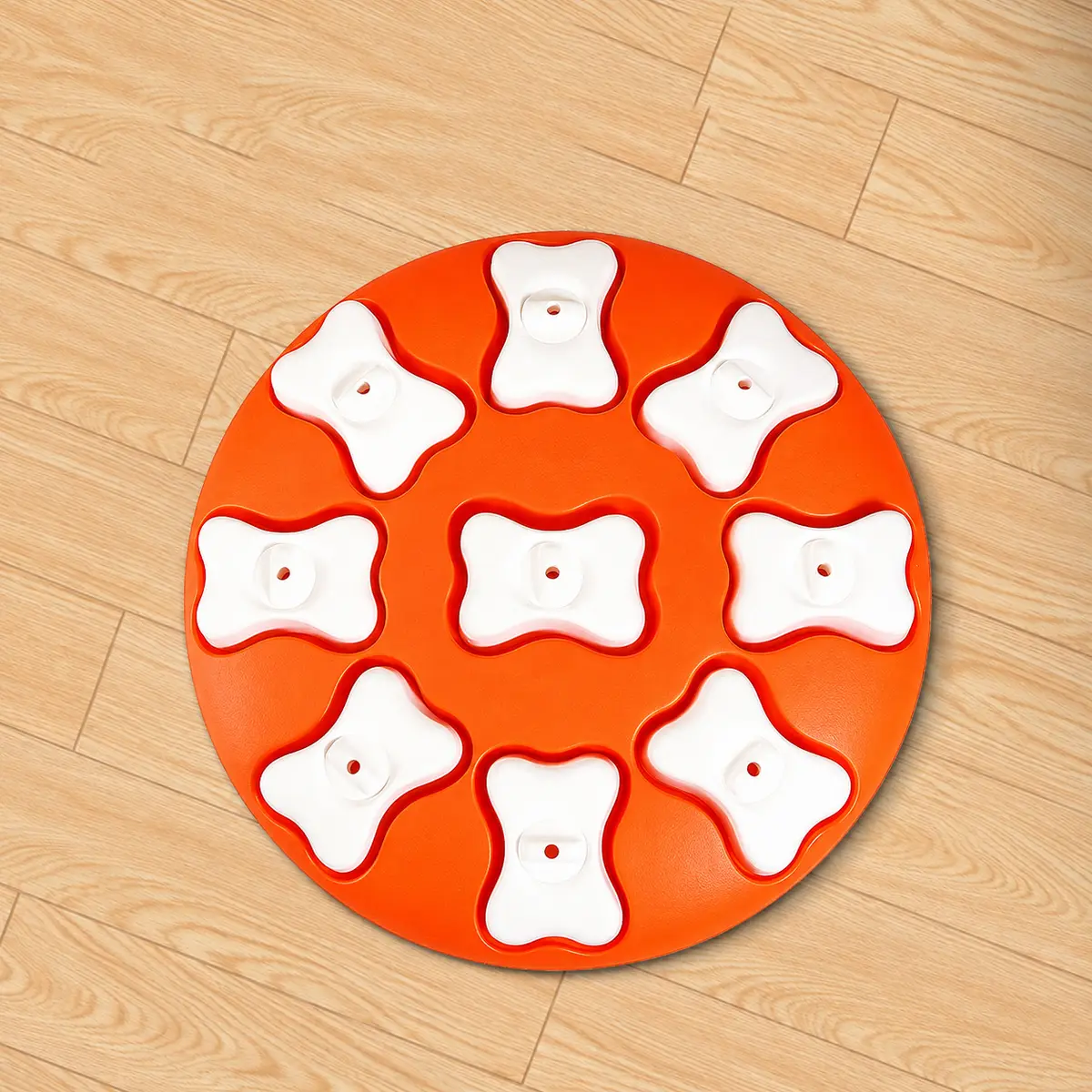
Spreading a few safe pieces across a snuffle mat or packing them into a puzzle toy turns a small treat into a few minutes of sniffing work.
What to do if your dog ate garlic
Call your vet, ASPCA Animal Poison Control at (888) 426-4435 or Pet Poison Helpline at (855) 764-7661 as soon as you know, even if your dog seems completely well; a fee may apply. Early treatment matters most, before damage to the blood has had time to show.
Have ready your dog's weight, what they ate, roughly how much, and when. Keep the packaging or recipe if you can. Do not try to make your dog vomit at home unless you are told to. A vet may induce vomiting, give activated charcoal, run blood tests, and in severe cases give fluids, oxygen or a transfusion.
How much garlic is dangerous for dogs of different sizes
There is no safe amount to feed. The smaller the dog, the less garlic it takes to cause harm, so a dog under 20 lb that ate a garlicky meal is more at risk than a dog over 50 lb that ate the same plate. The AKC points out that even small amounts have caused poisoning in dogs of every size.
A single bite of garlic bread is unlikely to reach a toxic level for a large dog, but you cannot judge that from the outside, and repeated small amounts over several days can add up. That is why the advice is to call for every exposure rather than guess.
Can puppies eat garlic?
No. Puppies are smaller, so the same amount of garlic is a larger dose for their weight, and young dogs are still building their red blood cell reserves. Garlic should never be added to a puppy's food, treats or water.
If your puppy got into garlic, pizza, garlic bread or a seasoned leftover, call your vet or a poison helpline straight away and describe how much was eaten. Do not wait to see whether signs develop.
Signs of garlic poisoning, and their timing
Mild stomach upset can show within a few hours: vomiting, diarrhea, drooling, abdominal pain or reduced appetite. The more serious signs of anemia usually develop two to five days later: pale gums, weakness, tiring easily, fast breathing, a fast heart rate and red or dark brown urine.
Severe cases can cause collapse, wobbly movement, or bluish gums and tongue, which need emergency care immediately. Because the delay can be several days, tell your vet about any garlic your dog ate earlier in the week if they become unwell.
Safer ways to add flavor to your dog's food
If you cook for your dog or share leftovers, set their portion aside before any garlic, onion, salt or seasoning goes in. Plain cooked chicken, turkey or lean beef, with a spoonful of plain pumpkin or carrot, gives plenty of flavor without the risk.
Check labels on broths, baby food and jerky before sharing, since onion and garlic powder are common ingredients. If you are unsure whether a food is safe, ask your vet first.
This page is general information, not veterinary advice, and it cannot replace an examination by the vet who knows your pet.
Common questions
Can dogs eat garlic powder?
No. Garlic powder is more concentrated than fresh garlic and is one of the most potent forms. Call your vet or a poison helpline if your dog ate food heavily seasoned with it.
Is a small amount of garlic okay for dogs?
There is no amount to recommend. Small exposures can still cause harm, especially in small dogs and sensitive breeds. Call for advice whenever your dog has eaten garlic.
How long after eating garlic will a dog show symptoms?
Stomach upset can start within a few hours, but signs of anemia such as pale gums, weakness and dark urine usually take two to five days. Call a vet before symptoms appear.
Can dogs eat garlic bread?
No. Garlic bread combines garlic with butter and salt. One bite may not reach a toxic level for a large dog, but call your vet for advice, particularly for small dogs or larger amounts.
Do garlic supplements help dogs with fleas?
They are not recommended. There is little evidence garlic repels fleas, and the amount needed often approaches a toxic level. Ask your vet about proven flea prevention instead.
Sources we checked
This guide is general information, not veterinary advice. If your pet is unwell or injured, contact your veterinarian.