Food safety
Can Dogs Eat Cookies? Check the Recipe First
No, human cookies are not a suitable dog treat, and recipes containing chocolate, raisins, or xylitol can poison dogs. Pet Poison Helpline warns that rich cookies can cause stomach upset and potentially pancreatitis, while additional ingredients create separate risks. That does not mean every plain cookie is the same poisoning event. Identify the exact recipe after an accidental ingestion and contact a veterinary professional when the contents or exposure are concerning.
By Matt GarnettUpdated November 13, 20264 min read4 sources
Chocolate and sugar-free ingredients require prompt checking
AKC explains that chocolate contains methylxanthine stimulants, including theobromine and caffeine, that can harm dogs. It also warns that xylitol can cause a rapid dangerous drop in blood sugar and may damage the liver. Do not assume that a cookie becomes suitable because it is described as sugar-free or lower in sugar.
Read the actual ingredients, including any alternate sweetener name, and tell the veterinary professional what you find. If the label is missing, say that clearly. Do not try to estimate a safe serving of a toxic ingredient or wait for a particular symptom before calling about a known concerning exposure.
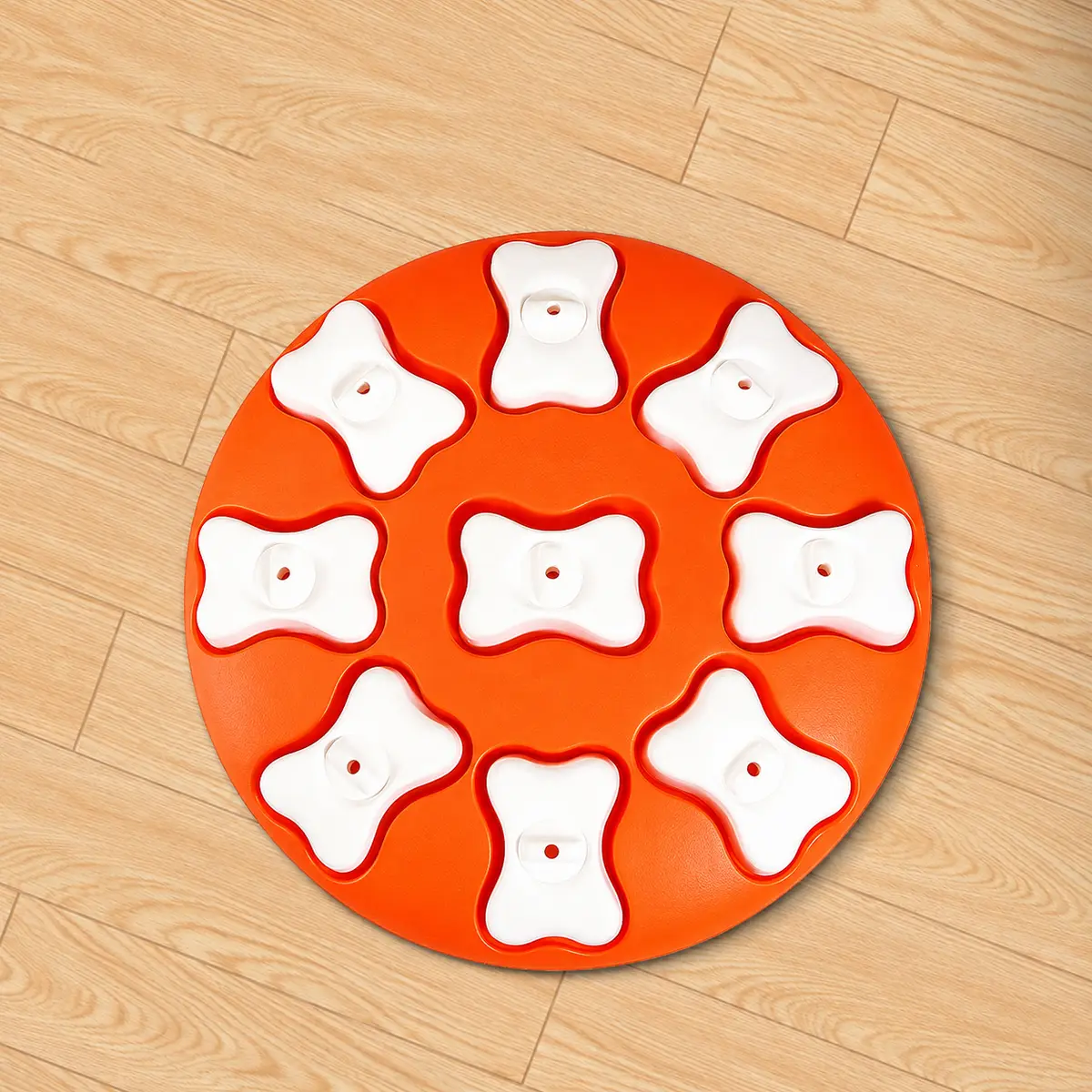
Spreading a few safe pieces across a snuffle mat or packing them into a puzzle toy turns a small treat into a few minutes of sniffing work.
Raisins cannot be dismissed as ordinary dried fruit
AKC identifies raisins as a cause of acute kidney injury in dogs and notes that their effects are difficult to predict. They may be baked into cookies rather than visible on the surface. Keep raisin-containing baked goods out of reach, and do not pick out the visible pieces before sharing the remaining cookie.
After a theft, save the recipe and estimate what is missing, even when you cannot determine the raisin count. Explain whether the dog had access to one item or an entire assortment. A veterinary professional can assess that uncertainty; another dog’s uneventful experience does not establish that this incident is safe.
Report raw ingredients as raw ingredients
A dog that raids the baking area may reach ingredients before they become a finished cookie. Pet Poison Helpline explains that raw yeast-containing dough can expand in the stomach and generate alcohol. This specific warning concerns yeast dough; do not claim that every cookie dough contains yeast or creates the identical risk.
Keep the recipe and tell the clinic which ingredients had already been combined. Mention chocolate, sweeteners, raisins, or other items available nearby, along with any missing packaging. Do not describe the exposure as a baked cookie if the dog actually ate an uncooked mixture, and do not assume the cooking instructions describe what was swallowed.
Call with details and avoid home treatment
Remove remaining food and record the time, estimated amount, dog’s weight in pounds, and current symptoms. Contact your veterinarian, ASPCA Animal Poison Control at (888) 426-4435, or Pet Poison Helpline at (855) 764-7661; a fee may apply. Keep the label or recipe ready and describe swallowed wrappers separately from the food.
Do not induce vomiting or give human medication without professional direction. Seek emergency care for seizures, collapse, marked weakness, or breathing difficulty. Contact the clinic about repeated vomiting, apparent abdominal pain, appetite loss, or unusual behavior. These signs do not establish a diagnosis at home, and a normal appearance immediately after ingestion does not resolve a concerning recipe.
Make holiday baking easier to manage around the dog
Keep cooling racks and gift assortments behind a closed barrier, clear plates promptly, and secure discarded wrappers. Tell guests and children which rewards the dog may receive. VCA emphasizes appropriate complete nutrition; cookies should not replace meals or become an incentive to avoid the usual diet. Ask the veterinarian about suitable rewards when a prescribed diet or food trial already restricts extras.
This page is general information, not veterinary advice, and it cannot replace an examination by the vet who knows your pet.
Common questions
Is every human cookie equally poisonous to dogs?
No. Rich cookies may cause digestive illness without containing a specific poison, while additions such as chocolate, raisins, or xylitol create separate risks. Identify the actual recipe rather than treating all cookies as equivalent.
Can I remove raisins or chocolate chips before sharing?
Do not use a cookie containing a toxic ingredient as a dog treat. Picking out visible pieces does not establish the remaining portion’s contents, and a suitable reward is easier to identify in advance.
Does sugar-free mean a cookie is safer for my dog?
No. Check for xylitol and the complete ingredient list. Contact a veterinary professional promptly after a known or uncertain concerning exposure, and keep the package available for the assessment.
What if the dog ate dough instead of a baked cookie?
Describe the raw mixture and actual recipe to the veterinarian. Some dough hazards depend on specific ingredients, such as yeast, so do not assume every uncooked mixture produces exactly the same exposure.
Sources we checked
This guide is general information, not veterinary advice. If your pet is unwell or injured, contact your veterinarian.