Food safety
Can Dogs Eat Coconut? Yes, a Little Unsweetened Flesh
Yes, dogs can eat coconut in small amounts. Fresh or dried unsweetened coconut flesh is not toxic, and the ASPCA notes small amounts are unlikely to cause serious harm. The cautions are fat and form: coconut is very rich, so too much brings loose stools or worse, sweetened flakes add sugar, and the hard shell and hairy husk can block a dog's gut. A few small pieces now and then is the safe way to share it.
By Matt GarnettUpdated November 13, 20264 min read3 sources
Why coconut is safe in small amounts
Coconut flesh contains no compound known to be toxic to dogs. The AKC lists unsweetened flesh, coconut milk, coconut water and coconut oil as acceptable in moderation, and its human-foods guide calls small amounts of plain coconut flesh generally safe. Most dogs enjoy the smell and the chewy texture.
The reason for moderation is that coconut is mostly fat, much of it saturated. A dog's gut copes with a little, but a large helping can cause greasy, loose stools. The ASPCA notes that fresh flesh and milk can bring stomach upset and diarrhea, which is the usual result of overdoing it.
The warning: shell, husk and sweetened products
Never let your dog chew a coconut shell or the fibrous husk. Pieces are hard and sharp, can damage teeth and gums, and can lodge in the stomach or intestines, which may need surgery. If you crack a coconut at home, put the shell straight in a closed trash can.
Sweetened shredded coconut used in baking is coated in sugar, and many coconut desserts, macaroons and candy bars include chocolate. Some coconut milk drinks and creamers contain sweeteners, and xylitol is toxic to dogs. Read the label: the only coconut to share is plain and unsweetened.
How to serve coconut to your dog
Fresh coconut meat cut into thin strips or pea-sized pieces works well, as does plain, unsweetened dried coconut sprinkled over a meal. Start with a single small piece the first time and wait a day to see how your dog's stomach handles it before offering more.
Plain coconut water can be offered as an occasional novelty, but fresh water should always be your dog's main drink. Unsweetened coconut milk can be a small topper. Coconut oil is very concentrated, so if you want to use it at all, ask your vet first rather than spooning it in.
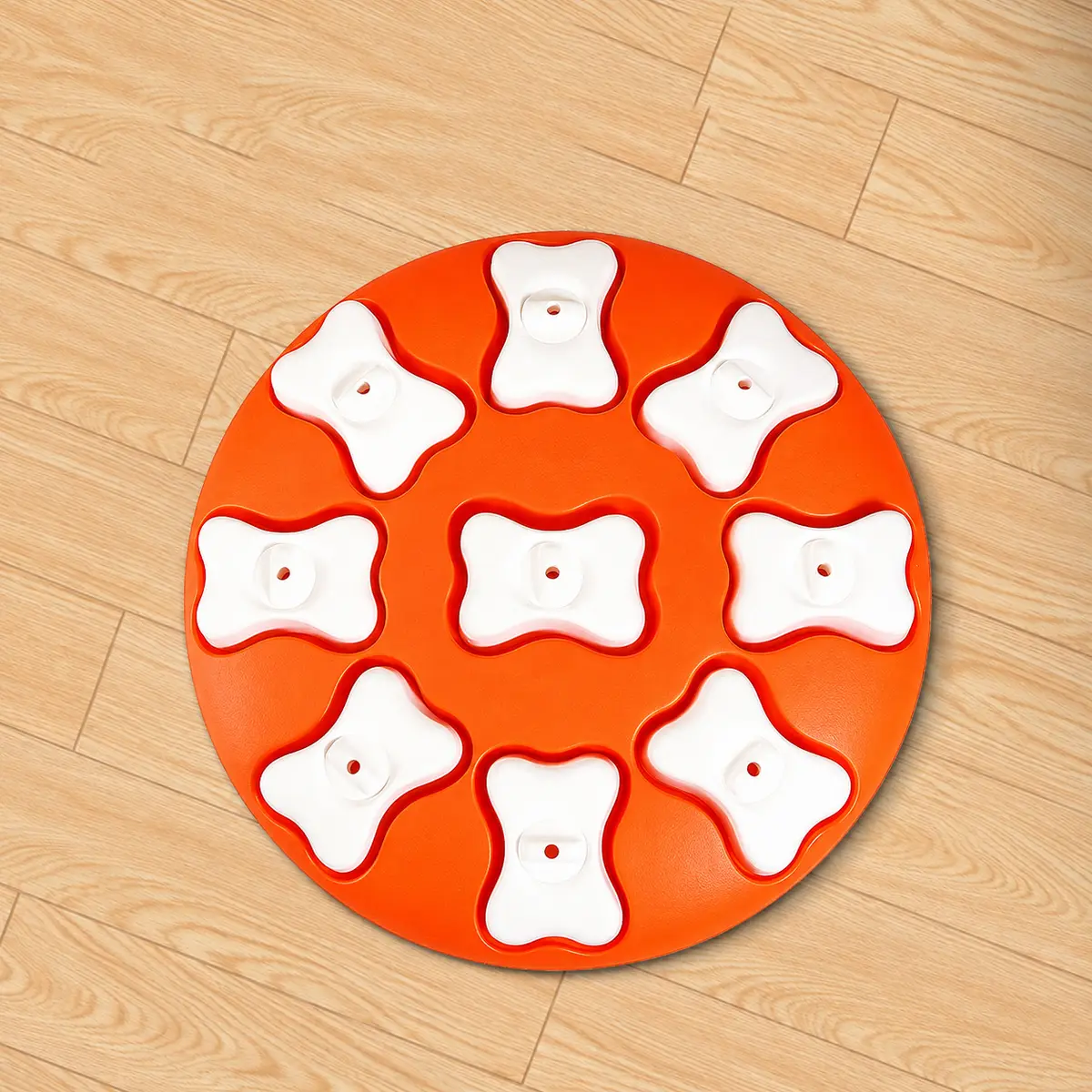
Spreading a few safe pieces across a snuffle mat or packing them into a puzzle toy turns a small treat into a few minutes of sniffing work.
How much coconut by dog weight
Keep coconut, like every treat, under about 10 percent of daily calories. For a dog under 20 lb, one or two pea-sized pieces or a pinch of unsweetened flakes is enough. For a dog of 20 to 50 lb, a teaspoon of flakes or a couple of small strips works.
For a dog over 50 lb, up to a tablespoon of flakes or a few strips of fresh flesh is a reasonable occasional amount. Because coconut is so high in fat and calories, treat it as a once- or twice-a-week extra rather than a daily habit, especially for dogs that gain weight easily.
Puppies and dogs that should skip coconut
Puppies can have a very small piece now and then once they are on solid food, but their stomachs react to rich foods quickly. Introduce it slowly, keep amounts tiny, and stop at the first sign of loose stool. A complete puppy food should provide everything they need.
Dogs that are overweight, dogs that have had pancreatitis and dogs on a low-fat diet should not have coconut. Coconut is also high in potassium, so dogs with kidney disease or other conditions that affect electrolytes need their vet's approval first. When in doubt, ask before sharing.
Signs it disagreed with them, and what to give instead
Too much coconut usually shows as greasy or loose stool, gas or vomiting within a day. Call your vet the same day if your dog vomits repeatedly, has a painful belly, stops eating, or seems lethargic, or if you think your dog swallowed pieces of shell or husk.
If you want a lower-fat treat, plain cucumber, green beans, apple slices with the core and seeds removed, or a few blueberries give flavor and crunch without the fat load. A treat designed for dogs is also easier to portion consistently.
This page is general information, not veterinary advice, and it cannot replace an examination by the vet who knows your pet.
Common questions
Can dogs drink coconut water?
Plain, unsweetened coconut water is fine as an occasional small treat. It should never replace fresh water, and it is high in potassium, so skip it for dogs with kidney disease unless your vet says otherwise.
Can dogs eat coconut oil?
Small amounts are not toxic, but coconut oil is pure fat and can cause diarrhea or pancreatitis in sensitive dogs. Talk to your vet before adding it to your dog's food rather than following online claims about its benefits.
Can dogs eat shredded coconut?
Only unsweetened shredded or flaked coconut, and only a pinch at a time. The sweetened kind used in baking is coated in sugar, so check the label before sharing and keep portions small.
Can dogs eat coconut shell?
No. Coconut shell and husk are hard, sharp and fibrous. They can damage teeth and gums and may cause a blockage in the gut. Call your vet if your dog swallowed pieces of shell.
Can dogs have coconut milk?
A small amount of plain, unsweetened coconut milk is generally fine. Check that it has no sweeteners, especially xylitol, and avoid coconut milk drinks and creamers with added sugar or flavorings.
Sources we checked
This guide is general information, not veterinary advice. If your pet is unwell or injured, contact your veterinarian.