Food safety
Can Dogs Eat Cilantro? Yes, a Few Leaves Are Safe
Yes, dogs can eat cilantro in small amounts. The ASPCA lists cilantro, also called coriander, as non-toxic to dogs, and the AKC says the leaves are safe in moderation. A pinch of chopped leaves sprinkled on food is plenty, and many dogs do not like the taste anyway. The real risk is what cilantro usually comes with: salsa, guacamole, pico de gallo and curries often contain onion, garlic, avocado or chili, which can make dogs sick.
By Matt GarnettUpdated November 13, 20264 min read4 sources
Why cilantro is safe for dogs
Cilantro, Coriandrum sativum, is listed on the ASPCA's plant database as non-toxic to dogs and cats. The leaves contain small amounts of vitamins A, C and K and some minerals, though in the quantities a dog eats these add little to a complete diet.
The AKC notes it is sometimes used to freshen breath, but that is no substitute for brushing or professional dental care. Think of cilantro as a garnish a dog can safely share rather than a health food.
The dishes to keep away from your dog
Salsa and pico de gallo combine cilantro with onion, garlic, jalapeño, lime and salt. Onion and garlic belong to the Allium family, which the ASPCA warns can damage red blood cells and lead to anemia, and spicy peppers can irritate the gut.
Guacamole adds avocado, along with onion and garlic, and tacos, curries and rice dishes are often seasoned in the same way. If your dog ate a dish with onion or garlic, call your vet, the ASPCA Animal Poison Control Center at (888) 426-4435 or Pet Poison Helpline at (855) 764-7661; a fee may apply.
How to serve cilantro
Use fresh leaves only. Rinse them, shake off the water and chop them finely, then sprinkle a pinch over your dog's food or mix it into homemade dog treats. The AKC recommends leaving out the stems, which are tougher and harder to digest.
Offer a small taste first and see whether your dog likes it. Many dogs turn their noses up at the smell, and there is no need to persuade them. Do not use cilantro oils or concentrated supplements, which are far stronger than the fresh herb.
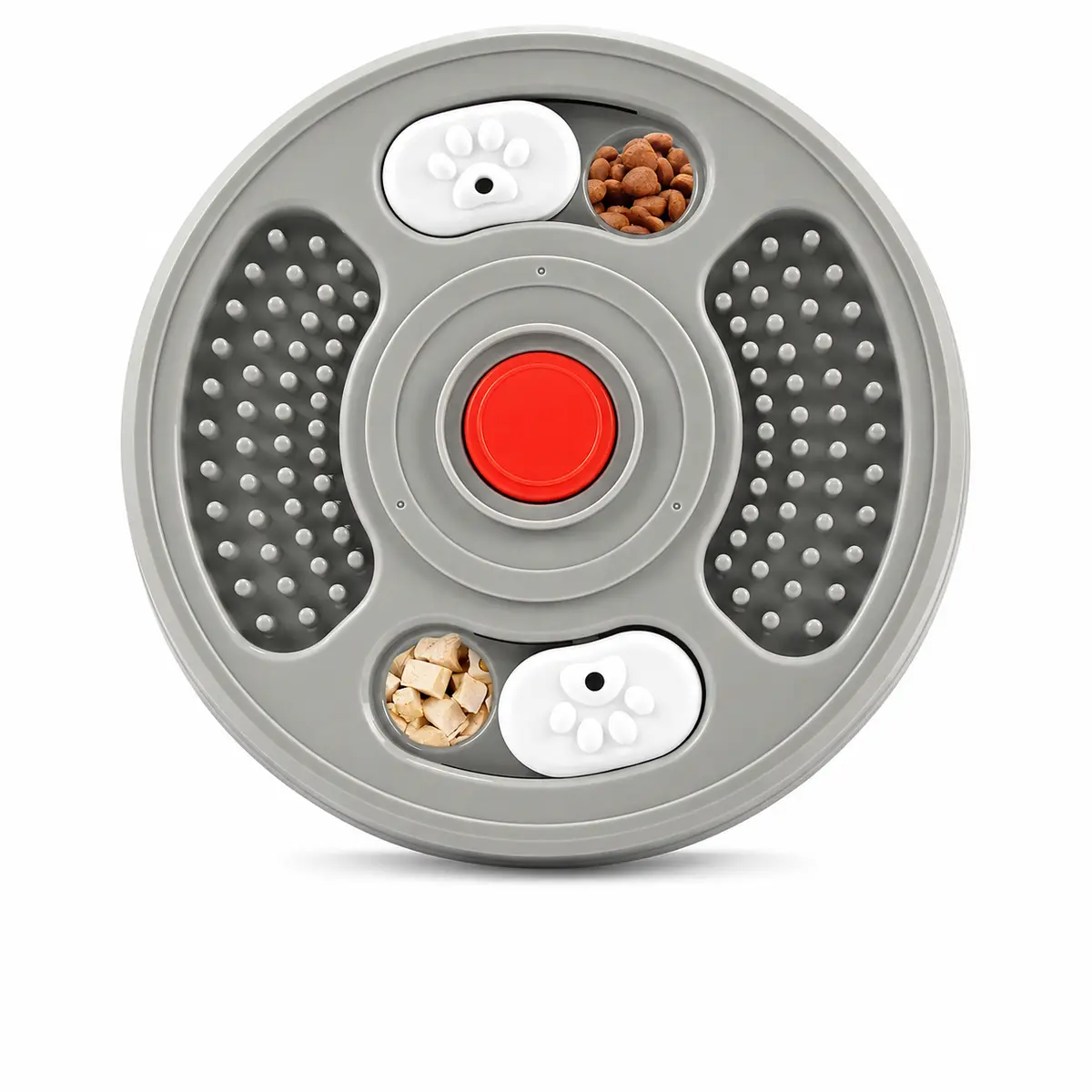
For dogs that gulp anything new, a slow feeder bowl or a lick mat keeps portions small and eating slow.
How much cilantro can dogs eat?
Keep it to a garnish. As a rough guide: under 20 lb, a pinch of two or three chopped leaves; 20 to 50 lb, about a teaspoon of chopped leaves; over 50 lb, up to a tablespoon, a few times a week at most.
The AKC notes that too much cilantro can cause stomach upset, and the ASPCA points out that eating any plant material can cause vomiting in some pets. A dog that raids the herb garden and eats a whole plant may vomit, even though the plant is not toxic.
Puppies and cilantro
A puppy can have a leaf or two of finely chopped cilantro once it is eating solid food, but there is no benefit to rushing it. Puppies have sensitive stomachs, and a new food is the most common cause of a soft stool in a young dog.
Keep pots of herbs out of reach of teething puppies, who may dig the soil and chew the stems. Garden soil, fertilizers and slug pellets in the same bed can be more dangerous than the cilantro itself.
Signs it disagreed with your dog and when to call a vet
Too much cilantro usually causes mild signs within a few hours: vomiting, a soft stool, gas or a reduced appetite. These generally settle within a day. Stop offering it and make sure your dog is drinking.
Call your vet if vomiting or diarrhea continues beyond 24 hours, or if your dog is lethargic or refuses food. Call promptly if your dog ate salsa, guacamole or another dish with onion, garlic or avocado, since signs of onion or garlic damage can take a few days to show.
Other dog-safe herbs and greens
Plain cooked green beans, a few cucumber slices or a leaf or two of romaine lettuce are fresh, low-calorie additions many dogs enjoy. The ASPCA lists green beans, carrots and cucumbers among the snacks you can share, cut small to avoid choking.
Be careful with other herbs. Chives are an Allium, and the ASPCA's plant database lists both parsley and oregano as toxic to dogs, though the usual effects are mild, so check each herb before sharing. When in doubt, a plain piece of cooked meat or a commercial dog treat is the simplest reward.
This page is general information, not veterinary advice, and it cannot replace an examination by the vet who knows your pet.
Common questions
Can dogs eat cilantro stems?
Small amounts are not toxic, but the AKC suggests using only the leaves because the stems are tougher and harder to digest. Chop the leaves finely and discard the stems where your dog cannot get them.
Can dogs eat cilantro lime rice?
Plain rice with a little cilantro is fine, but restaurant cilantro lime rice often contains garlic, onion, oil and salt. Only share a version you cooked yourself with nothing but rice, cilantro and a squeeze of lime.
Is coriander the same as cilantro for dogs?
Yes. Coriander is another name for the same plant, and the ASPCA lists it as non-toxic to dogs. Ground coriander seed is a spice and should be kept to a tiny pinch, as large amounts can upset the stomach.
Can dogs eat salsa with cilantro?
No. Salsa usually contains onion and garlic, which can damage a dog's red blood cells, along with chili and salt. If your dog ate salsa, call your vet or an animal poison control line for advice.
Does cilantro freshen a dog's breath?
It may mask odor briefly, but it does not treat the cause. Bad breath often comes from dental disease, so if your dog's breath is persistently bad, book a dental check with your vet.
Sources we checked
This guide is general information, not veterinary advice. If your pet is unwell or injured, contact your veterinarian.