Food safety
Can Dogs Eat Cereal? Check the Whole Ingredient List
Yes, some plain dry cereal can be an occasional reward for a dog, but the word cereal does not establish that a particular box is suitable. The AKC mentions dry cereal among foods some dogs find rewarding. Read the full ingredients before sharing, especially for raisins, chocolate, or xylitol, which can poison dogs. Keep an approved cereal extra separate from a full breakfast bowl and from the dog’s complete everyday diet.
By Matt GarnettUpdated November 13, 20264 min read4 sources
A training example is not approval of every cereal
The AKC’s food-reward guidance mentions pieces of dry cereal as a possible reward while explaining that dogs differ in what motivates them. It does not identify every breakfast product as appropriate. Start with the exact box or recipe rather than assuming all cereals have the same contents or nutritional profile.
Check ingredients again when a household buys a different variety, including products with similar names. If you cannot establish what is in it, use a familiar permitted reward instead. A dog enjoying the texture or asking for more does not answer the separate question of whether that particular preparation is suitable.
Raisins, chocolate, and xylitol change the exposure
The ASPCA identifies raisins as a kidney-injury concern for dogs and chocolate as a source of methylxanthine toxicity. It also explains that xylitol can cause dangerous low blood sugar and liver injury in dogs. These are distinct hazards, so check the full recipe rather than looking only for an obvious piece of fruit.
For a known or uncertain concerning ingredient, contact your veterinarian, ASPCA Animal Poison Control at (888) 426-4435, or Pet Poison Helpline at (855) 764-7661; a fee may apply. Save the label and report the amount, timing, dog’s weight in pounds, and symptoms. Do not pick out visible pieces and assume the remaining mixture is appropriate.
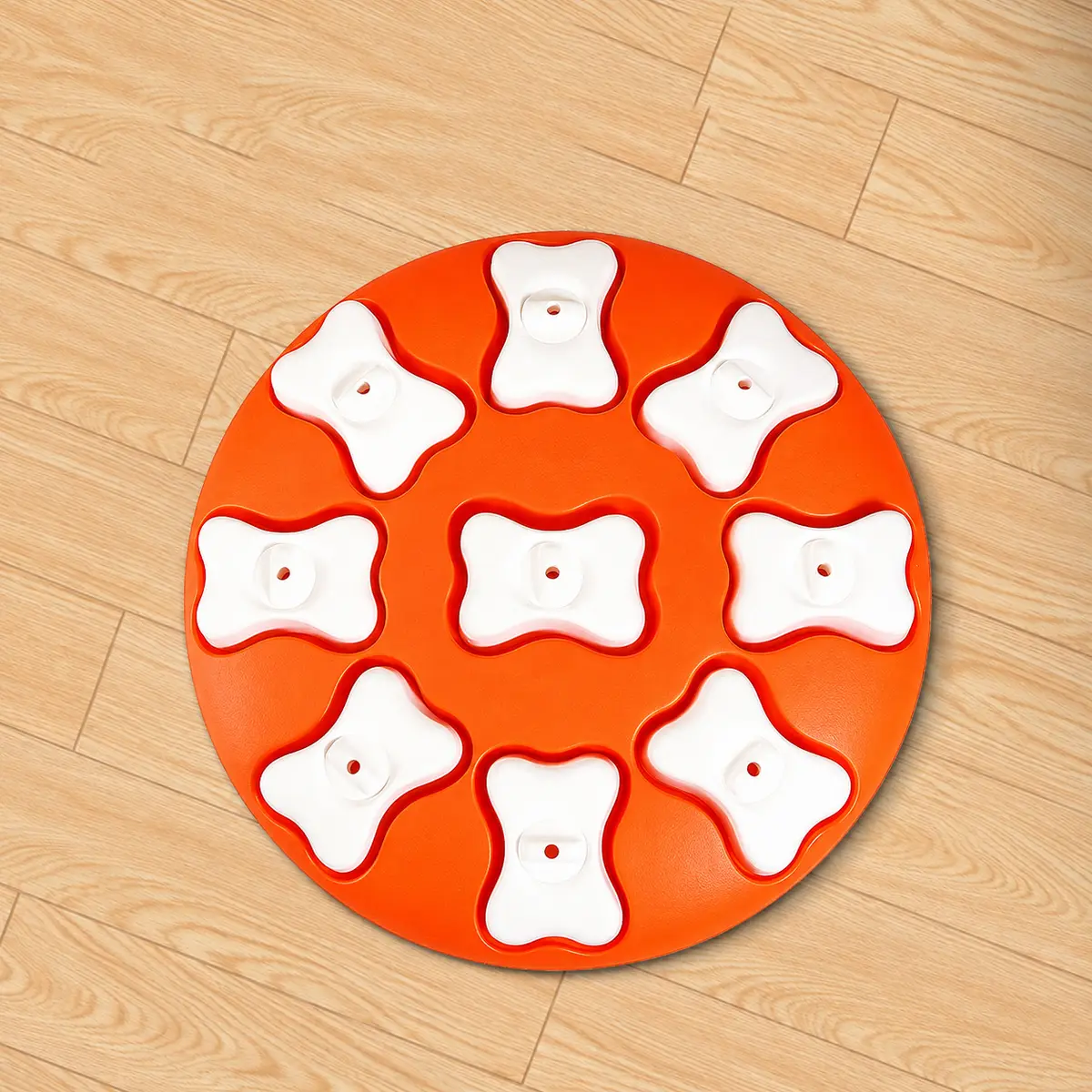
Spreading a few safe pieces across a snuffle mat or packing them into a puzzle toy turns a small treat into a few minutes of sniffing work.
The breakfast bowl contains more than the dry product
Milk, toppings, and other additions make the served bowl a different exposure from a piece of plain dry cereal. Record those additions when asking for veterinary advice. If the dog reached someone’s breakfast, find out what was actually in the bowl rather than describing only the name printed on the cereal box.
Avoid sharing an uncertain leftover bowl or using it to hide a food the dog normally refuses. Keep your own meal and the dog’s reward separate so the contents remain clear. If packaging or another object is missing after a raid, mention it during the call instead of limiting the history to food ingredients.
Count the cereal with every other treat
The AKC advises keeping treats within a small share of a dog’s total daily calories. Include cereal rewards alongside training treats, table-food extras, and rewards from other people. A few pieces from several caregivers can create a different routine from the occasional reward any one person thought they were offering.
Use the product’s actual label and your veterinarian’s advice when deciding whether it fits. Do not use a general cereal serving size intended for a person as a dog-feeding instruction. If you need many training repetitions, ask whether some of the normal food can serve that purpose rather than continually adding new extras.
A cereal breakfast is not a complete canine diet
VCA’s feeding guidance emphasizes appropriate nutrition for the dog’s life stage and condition. Human breakfast cereal should not replace a complete dog food or be used to make an improvised homemade menu balanced. The fact that a grain can occur in formulated dog food does not establish the adequacy of a human breakfast product.
Puppies require growth-appropriate nutrition, and their reward routine should fit that need. Ask before adding cereal during a prescribed diet or food trial, and describe the exact product. If a puppy or adult dog is refusing regular meals, report the appetite change instead of substituting cereal because it is more readily accepted.
Act on symptoms and keep breakfast foods inaccessible
Stop an optional extra and seek veterinary advice about vomiting, diarrhea, poor appetite, or unusual behavior. Known toxic ingredients need an exposure call without waiting for illness. Marked weakness, tremors, seizures, collapse, or breathing difficulty needs urgent attention. Do not induce vomiting or give human medication unless professionally directed. Close cereal boxes and clear breakfast bowls before leaving the room.
This page is general information, not veterinary advice, and it cannot replace an examination by the vet who knows your pet.
Common questions
Is every cereal safe because it contains grains?
No. The complete recipe matters, and additions such as raisins, chocolate, or xylitol create separate hazards. Check the exact product rather than judging it from the grain ingredient.
Can I remove raisins before giving my dog the cereal?
Do not use picking out visible pieces as a safety check for the remaining mixture. Choose an identifiable permitted reward and call about a known or uncertain concerning exposure.
Does the advice cover cereal served with milk?
The served bowl includes additional ingredients and needs its own assessment. Describe the milk, toppings, and anything else added rather than reporting only the dry cereal’s product name.
Can I replace my dog’s breakfast with cereal?
No. Maintain appropriate complete dog food as the regular diet. An occasional reward is a different nutritional role, and appetite loss needs veterinary advice instead of a replacement human breakfast.
Sources we checked
This guide is general information, not veterinary advice. If your pet is unwell or injured, contact your veterinarian.