Food safety
Can Dogs Eat Cantaloupe? Yes, Without the Rind
Yes, dogs can eat cantaloupe in moderation. The orange flesh is mostly water and carries vitamins A and C, potassium and fiber, so a few cubes make a refreshing summer treat. Two parts need to stay off the menu: the hard rind, which can choke a dog or get stuck in the gut, and the seeds. Cantaloupe is also fairly high in natural sugar, so portions should be small, and diabetic dogs may be better off without it.
By Matt GarnettUpdated November 13, 20264 min read3 sources
Why cantaloupe is safe for dogs
Cantaloupe flesh contains nothing toxic to dogs. The AKC describes it as generally safe and a lower-calorie treat, noting its fiber, water, and vitamins A, B6 and C. It appears on the ASPCA list of fruits that are fine to share, provided it is cut into bite-size pieces.
Its high water content makes it a pleasant snack on a hot July afternoon, and its sweetness means most dogs accept it readily. It is still a treat, though, not a source of the protein and fat dogs need from their regular food.
The rind, the seeds and the sugar
The rind is the main hazard. It is tough, fibrous and hard to chew, and the AKC warns it can upset the stomach, act as a choking hazard, and become lodged in the digestive tract. Dogs that find melon rinds in the trash often swallow large pieces whole, so bag them securely.
The seeds are not poisonous, but there is no reason to feed them, and a mouthful can be a choking risk for small dogs. Sugar is the third issue: cantaloupe is sweet enough that the AKC says it may not suit dogs with diabetes, and overweight dogs should get only a small piece.
How to prepare cantaloupe for your dog
Wash the outside of the melon before cutting, because bacteria on the rind can be carried into the flesh by the knife. Slice it, scoop out all the seeds, and cut the flesh away from the rind, leaving no green or white layer attached.
Cut the flesh into cubes that suit your dog: about blueberry-size for a 10 lb dog, and one-inch cubes for a large dog. Frozen cubes make a cooling treat, and a little puree can be frozen inside a rubber chew toy. Skip melon from fruit salads that may contain grapes.
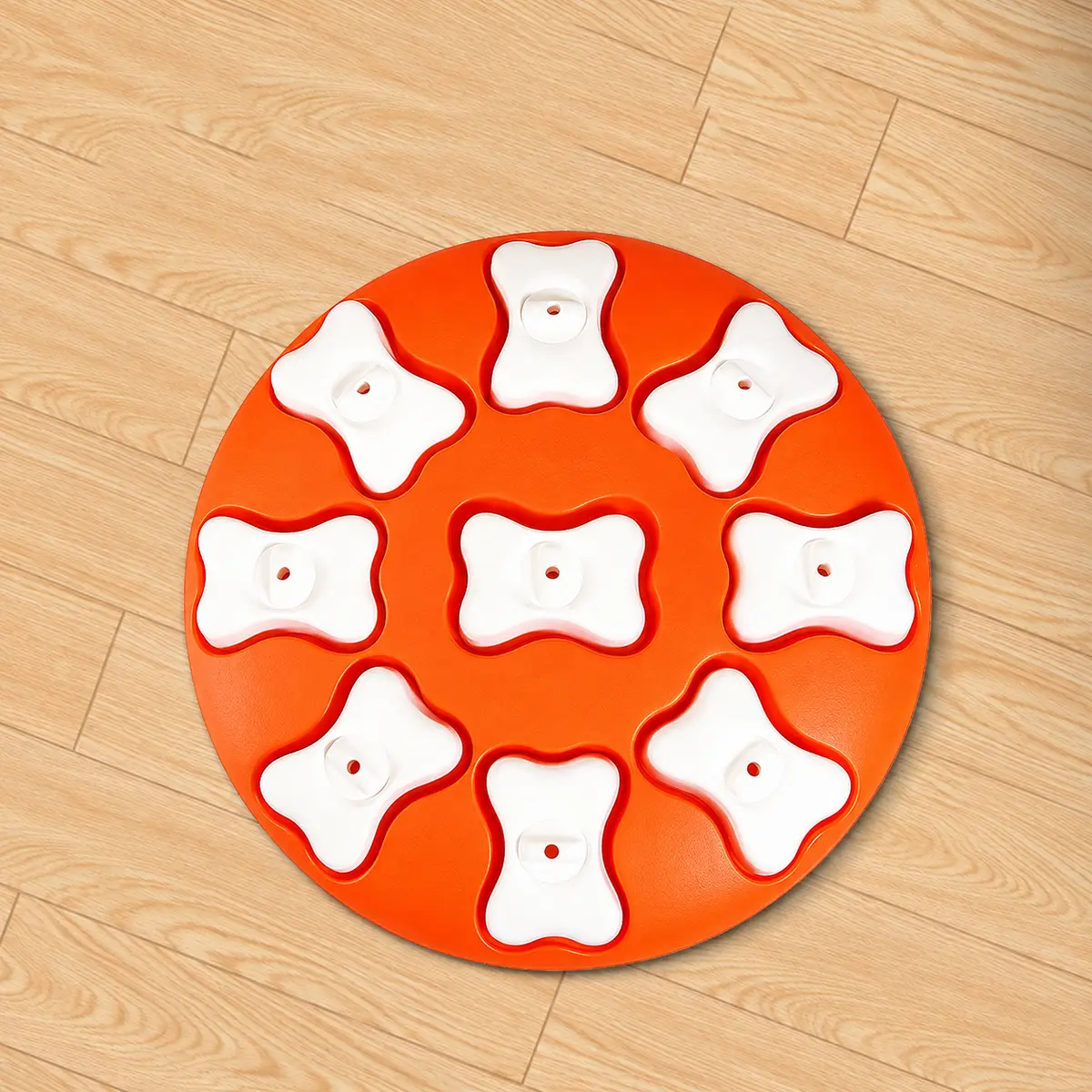
Spreading a few safe pieces across a snuffle mat or packing them into a puzzle toy turns a small treat into a few minutes of sniffing work.
How much cantaloupe a dog can have
Keep all treats under about 10% of daily calories. A sensible guide is one or two small cubes for dogs under 20 lb, three or four one-inch cubes for dogs of 20 to 50 lb, and up to a small handful for dogs over 50 lb, a few times a week.
Start below these amounts the first time. Too much melon at once commonly causes loose stools because of the water and fiber. If your dog has diabetes or is on a weight-loss plan, ask your vet before adding a sweet fruit.
Can puppies eat cantaloupe?
Weaned puppies can try a small piece of ripe, seedless, rind-free cantaloupe. Mash or finely dice it, offer one piece, and watch for soft stools over the next day, because young puppies often react to new foods.
A growing puppy needs almost all of its calories from a complete puppy food. Keep fruit to the odd taste, and never leave a puppy alone with a melon rind, which is just the kind of thing they will try to chew and swallow.
Signs cantaloupe disagreed with your dog, and when to call the vet
Mild stomach upset usually shows within 6 to 24 hours as diarrhea, soft stool or gas, and tends to clear within a day. That is the most common reaction, and it is usually a sign of too much rather than a real intolerance.
Call your vet the same day if vomiting or diarrhea continues past 24 hours, or if your dog ate a large piece of rind and then vomits repeatedly, strains, refuses food or has a tender belly, which can signal a blockage. A diabetic dog that ate melon and seems unwell should be checked promptly.
Other summer fruits to try
Seedless watermelon without the rind, blueberries, strawberries and peeled banana are other fruits many dogs enjoy, with the same rules of small pieces and small amounts. Cucumber gives a similar watery crunch with almost no sugar, which suits dogs watching their weight.
Avoid grapes and raisins entirely, and remove the pits from peaches, nectarines, cherries and plums before sharing any of their flesh. If you are not sure a fruit is safe, check with your vet first.
This page is general information, not veterinary advice, and it cannot replace an examination by the vet who knows your pet.
Common questions
Can dogs eat cantaloupe rind?
No. The rind is tough and hard to digest, can be a choking hazard, and can get stuck in the gut. Cut the flesh away from the rind completely and dispose of rinds where your dog cannot reach them.
Can dogs eat cantaloupe seeds?
The seeds are not toxic, but they are best removed. They add nothing for your dog and can be a choking risk for small dogs. Scoop them out before cutting the flesh into cubes.
Can dogs eat cantaloupe every day?
It is better as a few-times-a-week treat. Cantaloupe is high in natural sugar, and daily melon can add up to extra calories and loose stools. A couple of small cubes now and then is the sensible approach.
Can diabetic dogs eat cantaloupe?
Cantaloupe is high in sugar, so it may not suit a diabetic dog. Ask your vet before offering it; they may suggest a lower-sugar option such as cucumber or green beans instead.
Can dogs eat honeydew melon?
Yes, plain honeydew flesh is generally treated the same way as cantaloupe: no rind, no seeds, small pieces, and small amounts because of the sugar. Introduce it slowly like any new food.
Sources we checked
This guide is general information, not veterinary advice. If your pet is unwell or injured, contact your veterinarian.