Food safety
Can Dogs Eat Candy Canes? No — Sugar-Free Ones Can Kill
No, dogs should not eat candy canes, and sugar-free candy canes can poison them. Some sugar-free candies are sweetened with xylitol, which VCA warns causes a life-threatening drop in blood sugar and liver failure in dogs. Regular candy canes are pure sugar, the hard shards and hook can choke a dog, and plastic wrappers can block the gut. If your dog ate a sugar-free candy cane, call your vet, ASPCA Animal Poison Control at (888) 426-4435 or Pet Poison Helpline at (855) 764-7661 now; a fee may apply.
By Matt GarnettUpdated November 13, 20264 min read3 sources
Why candy canes are bad for dogs
A regular candy cane is mostly sugar and corn syrup with peppermint flavoring. It is not poisonous in itself, but dogs have no need for sugar, and a sudden load of candy can cause vomiting and diarrhea. Pet Poison Helpline notes that sugary, fatty candy can also contribute to inflammation of the pancreas, which may take up to four days to show.
The shape is the other problem. Candy canes break into hard, sharp shards and a curved hook that can lodge in the mouth or throat, and dogs tend to crunch and swallow them quickly rather than lick them.
Warning: xylitol in sugar-free candy canes
Sugar-free and reduced-sugar candy canes may be sweetened with xylitol. The ASPCA explains that xylitol can cause low blood sugar and liver damage in dogs, with early signs of vomiting, lethargy and loss of coordination that can progress to seizures, and liver damage within 12 to 24 hours.
Always read the label. If the ingredients list xylitol, birch sugar or an unfamiliar sweetener, treat it as an emergency: call your vet, ASPCA Animal Poison Control at (888) 426-4435 or Pet Poison Helpline at (855) 764-7661 straight away, even if your dog seems fine. A consultation fee may apply.
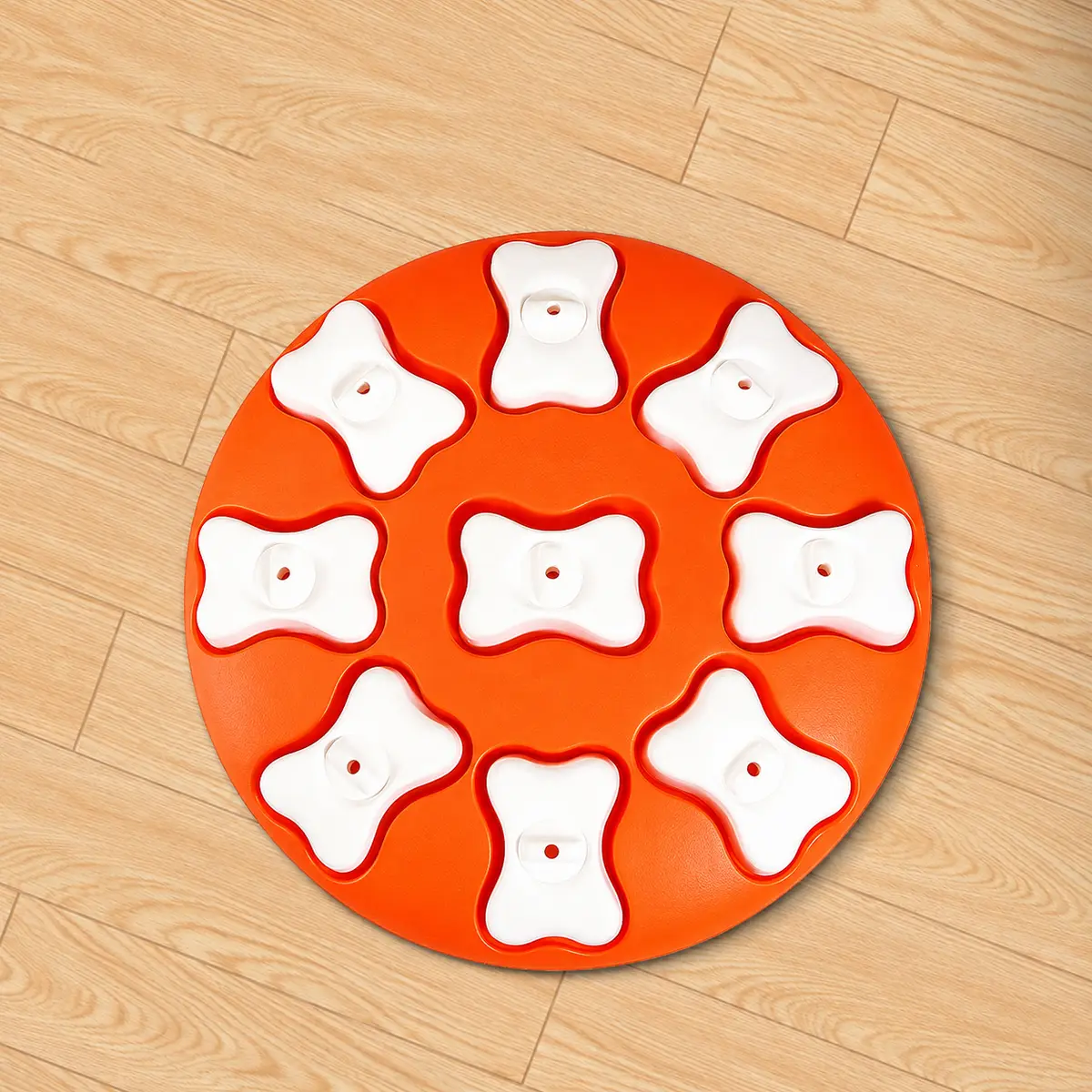
Spreading a few safe pieces across a snuffle mat or packing them into a puzzle toy turns a small treat into a few minutes of sniffing work.
Wrappers, sticks and ornaments
Candy cane wrappers are a hazard of their own. Pet Poison Helpline warns that cellophane and foil wrappers can cause choking or a bowel obstruction, which sometimes needs surgery. A dog that finds a box under the tree often eats wrappers and all.
Candy canes hung on the tree are within easy reach of most dogs, and pulling them down can bring hooks, tinsel and glass ornaments with them. Hang candy higher, or keep it off the tree altogether while a dog is in the house.
What to do if your dog ate a candy cane
First, find the packaging and check for xylitol. If it is there, or you cannot tell, call for advice now. Have your dog's weight, the product name and how many were eaten ready, and do not make your dog vomit unless a vet tells you to.
If it was one regular sugar candy cane without a wrapper, watch your dog for the next day for vomiting, diarrhea or a sore belly, and make sure water is available. Call your vet if your dog ate several, swallowed wrappers, or seems unwell.
Can puppies eat candy canes?
No. Puppies are small, so the sugar and any xylitol are a larger dose for their weight, and they are more likely to choke on hard shards or swallow wrappers. Puppies also explore with their mouths, which makes the tree a tempting place to look.
If your puppy ate any candy cane, check for xylitol and call your vet straight away if it is present, if wrappers were swallowed, or if your puppy is vomiting, weak or wobbly.
Signs to watch, and when to call the vet
After xylitol, signs can start quickly, often within an hour: vomiting, weakness, wobbling, collapse, trembling or seizures. These need emergency care immediately. Liver damage can follow within 12 to 24 hours even if early signs were mild.
After sugar candy, vomiting and diarrhea within a few hours are common. Signs of a blockage from wrappers can take one to three days: repeated vomiting, reduced appetite, constipation and lethargy, which Pet Poison Helpline says may need X-rays to diagnose. See your vet the same day for any of these.
Keeping dogs safe at Christmas, and better treats
Keep candy bowls, stocking stuffers and gift boxes off low tables and out from under the tree, and ask guests to keep sugar-free gum and mints in their bags out of reach. Check stockings before hanging them where a dog can reach.
If you want your dog to have a festive treat, a dog-safe chew, a stuffed food puzzle, or a few pieces of plain cooked turkey breast are all better choices. Treats made for dogs come with clear feeding guidance on the package.
This page is general information, not veterinary advice, and it cannot replace an examination by the vet who knows your pet.
Common questions
Can dogs eat peppermint candy?
It is best not to share it. Peppermint candy is mostly sugar, can upset a dog's stomach, and some sugar-free versions contain xylitol. Check the label and call for advice if xylitol is listed.
My dog ate a candy cane wrapper, what should I do?
Watch closely for vomiting, reduced appetite, constipation or lethargy, and call your vet, because wrappers can cause a bowel obstruction. Call straight away if your dog is small or ate several.
How much xylitol is toxic to dogs?
Very little xylitol can be dangerous, especially for small dogs, so there is no amount to consider safe. Call your vet or a poison helpline for any exposure, whatever the amount.
Can dogs lick a candy cane?
A lick of a regular sugar candy cane is unlikely to harm, but it encourages a dog to go back for more and a sugar-free cane may contain xylitol. Keep candy canes out of reach.
Are candy canes toxic to dogs?
Regular candy canes are not toxic but are sugary and a choking risk. Sugar-free candy canes may contain xylitol, which is toxic to dogs and needs an urgent call to your vet.
Sources we checked
This guide is general information, not veterinary advice. If your pet is unwell or injured, contact your veterinarian.