Food safety
Can Dogs Eat Candy? No—Check Ingredients Promptly
No, dogs should not eat candy, and varieties containing chocolate, xylitol, or raisins can cause poisoning. Pet Poison Helpline distinguishes ordinary sugary candy’s digestive risks from these separate toxic ingredients and also warns about swallowed wrappers. After a dog raids a candy bowl, identify what was actually available rather than treating every sweet as the same exposure. Keep packages and contact a veterinary professional for advice about the dog’s circumstances.
By Matt GarnettUpdated November 13, 20264 min read3 sources
Different candies create different exposure questions
Pet Poison Helpline advises against sharing candy because sugar can cause stomach upset and sugary high-fat products may cause more serious digestive illness. It separately identifies toxic ingredients and swallowed packaging. Keep that distinction accurate instead of claiming that every plain sugar candy has the same chemical effect as chocolate or xylitol.
Make an inventory of what the dog could have reached: a single wrapped item, a mixed bowl, several trick-or-treat bags, or an unidentified product. Keep labels from the actual items. A familiar candy shape or color cannot establish the ingredients, and an assortment may contain more than one kind of concern.
Chocolate and raisins require ingredient-specific attention
AKC explains that chocolate contains theobromine and caffeine, stimulants that can harm dogs. Chocolate type affects its concentration, so report the actual product rather than only that it was sweet. AKC also warns that raisins can cause acute kidney injury and that individual sensitivity is difficult to predict.
Do not calculate a safe allowance of either ingredient or wait for symptoms after a known exposure. Keep the product label, recipe, and remaining pieces if available. Tell the professional about mixed coatings and fillings; a chocolate-covered raisin combines concerns rather than fitting into just one simple candy category.
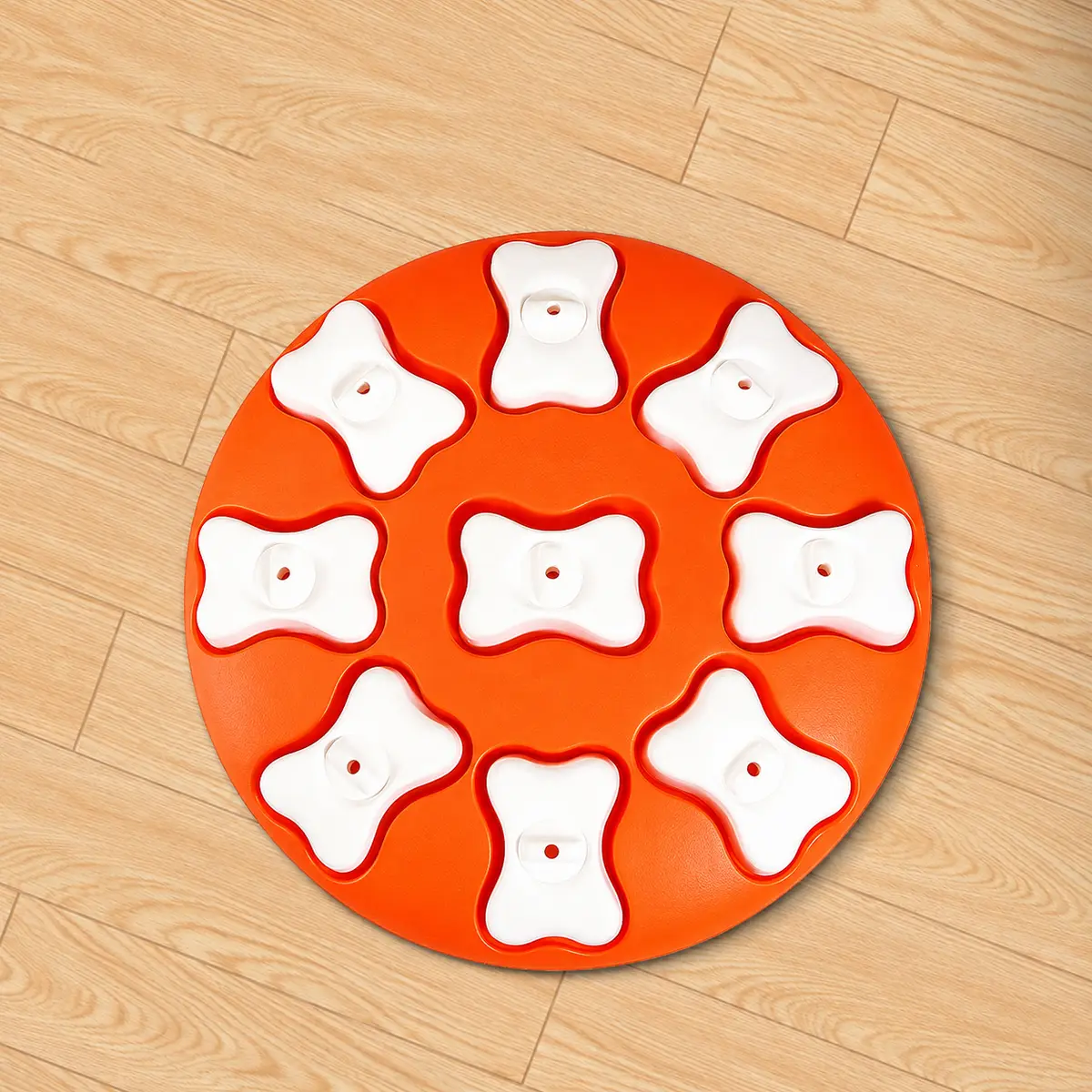
Spreading a few safe pieces across a snuffle mat or packing them into a puzzle toy turns a small treat into a few minutes of sniffing work.
Sugar-free candy needs an immediate sweetener check
VCA explains that xylitol triggers insulin release in dogs, producing a rapid fall in blood sugar; liver injury is another concern. It appears in some sugar-free gum, mints, and candies and may be labeled birch sugar or wood sugar. A human low-sugar claim therefore is not a safety claim for a dog.
Read the full ingredients and contact a veterinary professional promptly about known or uncertain xylitol exposure. Do not assume every flavor or package is unchanged from a previous purchase. If the dog reached an item with no label, explain that uncertainty clearly rather than guessing that it must have contained ordinary sugar.
Do not overlook wrappers or other products in the bowl
Pet Poison Helpline warns that wrappers and foil can cause choking or intestinal blockage. Count missing wrappers when possible, but do not delay a call because the number is uncertain. Packaging is a separate question from whether the candy itself contained a toxic ingredient, so mention both parts of the incident.
A candy-shaped product may also have ingredients beyond an ordinary sweet. Save its full label and tell the professional what it was sold or prepared as. Do not assume an unidentified gummy or homemade item is equivalent to a familiar candy just because it looks similar. Keep all remaining products away from the dog.
Call with the facts and avoid improvised treatment
Note the time, estimated amount, dog’s weight in pounds, symptoms, and relevant medical history. Contact your veterinarian, ASPCA Animal Poison Control at (888) 426-4435, or Pet Poison Helpline at (855) 764-7661; a fee may apply. Have the labels ready and describe what you actually observed as well as what may be missing.
Do not induce vomiting, give human medication, or offer another food as a remedy without professional direction. Seek emergency attention for seizures, collapse, marked weakness, or trouble breathing. Report repeated vomiting, apparent abdominal pain, appetite loss, or unusual behavior. Symptoms cannot diagnose a specific poisoning at home, and an initially normal appearance does not resolve a concerning exposure.
Plan Halloween and holiday storage before opening the bags
Keep trick-or-treat bags, gift boxes, and candy dishes behind a closed barrier. Ask children and guests to put wrappers in secure trash and to share only the dog’s permitted rewards. Store leftovers just as carefully after the event. If candy is used during a game or decoration, account for the pieces afterward rather than assuming a high table kept every item inaccessible.
This page is general information, not veterinary advice, and it cannot replace an examination by the vet who knows your pet.
Common questions
Is ordinary sugary candy the same as chocolate poisoning?
No. Pet Poison Helpline distinguishes sugar-related digestive concerns from specific toxic ingredients. Identify the actual candy and any packaging after a raid rather than treating all sweets as an identical exposure.
Does sugar-free candy make a better dog treat?
No. Some sugar-free products contain xylitol, which can seriously poison dogs. Check the complete label and contact a veterinary professional promptly about known or uncertain exposure instead of assuming low sugar means safer.
Why should I mention wrappers when calling the vet?
Swallowed packaging creates a separate physical concern, including choking or blockage. Count missing wrappers when possible and describe them alongside the ingredients, amount, timing, dog’s weight, and any symptoms.
Should I wait until my dog acts sick after a candy theft?
Call about concerning or uncertain ingredients rather than using symptoms as a home test. A normal appearance immediately afterward does not establish safety, and the professional can assess the actual product and animal.
Sources we checked
This guide is general information, not veterinary advice. If your pet is unwell or injured, contact your veterinarian.