Food safety
Can Dogs Eat Butter? A Lick Is Fine, a Stick Is Not
Butter is not toxic to dogs, but it is almost pure fat, so a lick off a knife is fine while a whole stick is a real problem. Large amounts of fat commonly cause vomiting and diarrhea and can trigger pancreatitis, a painful and sometimes serious illness; the AKC specifically warns that potatoes served with lots of butter can do this. Garlic butter is worse, because garlic can damage a dog's red blood cells. Here is what to do if your dog got into the butter dish.
By Matt GarnettUpdated November 13, 20264 min read3 sources
Why butter is a poor food for dogs
Butter is about 80 percent fat, with a little milk protein, water and lactose. A single tablespoon carries roughly 100 calories, which is a big share of a small dog's daily needs, and none of it brings anything a complete dog food lacks.
The AKC warns in its milk and potato articles that high-fat dairy and buttery foods can lead to obesity and pancreatitis. Butter also contains a trace of lactose, and the ASPCA notes that pets lack enough lactase to digest dairy well, though the amount in butter is small.
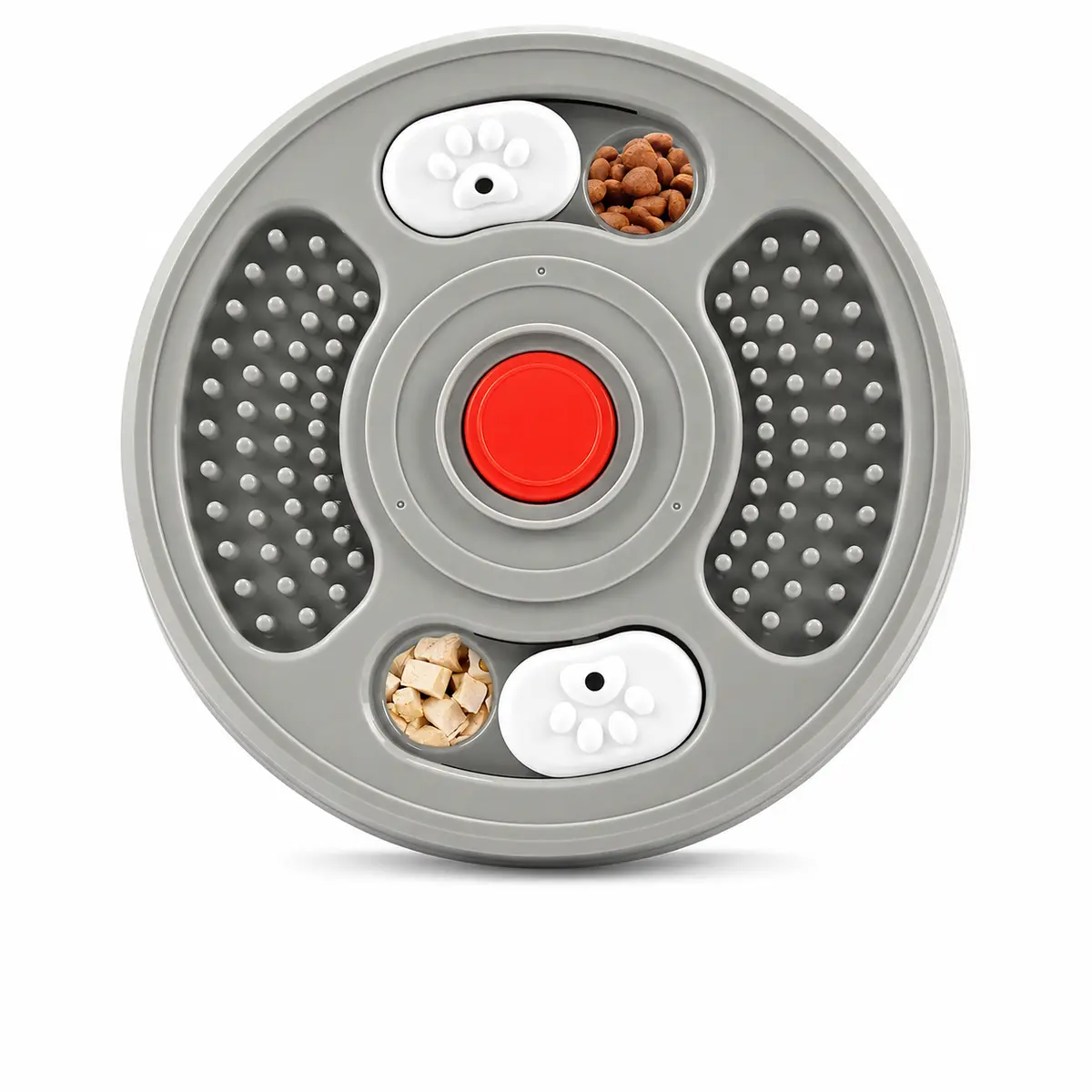
For dogs that gulp anything new, a slow feeder bowl or a lick mat keeps portions small and eating slow.
Pancreatitis and other risks from a big serving
The pancreas releases digestive enzymes to handle fat. A sudden fatty binge, such as a stick of butter stolen from the counter, can inflame it. Pancreatitis can range from a mild bout of vomiting to a serious illness that needs hospital care, and dogs that have had it once are prone to it again.
Wrappers add a second risk. Dogs often swallow the foil or paper along with the butter, which can cause vomiting or, occasionally, a blockage. And flavored butters, garlic butter, herb butter and anything with onion or chives, carry the Allium risk on top of the fat.
My dog ate butter: what to do
Work out how much was eaten, whether it was plain or flavored, and whether the wrapper is missing. A lick or a smear of butter on toast needs nothing more than watching. Do not make your dog vomit unless a vet tells you to.
Call your vet the same day if a small dog ate a few tablespoons or more, any dog ate a whole stick, the butter contained garlic or onion, the wrapper was swallowed, or your dog has had pancreatitis before. Early advice is easier than treating a dog once it is very sick.
Is any amount of butter okay?
There is no serving to recommend, and butter should not be used as a regular treat or food topper. A lick from a plate or a small amount used to coat a pill is not a concern for a healthy adult dog, but even that should be rare.
Dogs prone to pancreatitis, such as Miniature Schnauzers and Yorkshire Terriers, dogs with a history of it, overweight dogs and dogs on a low-fat diet should not have butter at all. If you need something to wrap a pill, ask your vet about lower-fat options.
Puppies and butter
Puppies have small, sensitive stomachs, and a rich food like butter is very likely to cause diarrhea or vomiting. Diarrhea dehydrates a puppy quickly, so a puppy that has eaten a significant amount of butter and is unwell needs a vet promptly.
Puppies are also expert counter-surfers and wrapper-chewers. Keep butter dishes covered and pushed to the back of the counter, and put butter wrappers straight into a lidded trash can.
Signs to watch for and when to call a vet
Stomach upset from butter usually starts within a few hours: vomiting, greasy or loose stools, gas and a lack of appetite. Pancreatitis may show up within one to four days as repeated vomiting, a hunched or praying posture, a painful belly, refusing food, fever and lethargy.
Go to a vet the same day for repeated vomiting, belly pain or a dog that seems flat or will not eat. If your dog ate garlic butter, watch over the next few days for weakness, pale gums, fast breathing or reddish urine, and call your vet if you see them.
Better ways to add flavor
If you want to make a meal more appealing, a spoonful of plain canned pumpkin, a little plain cooked chicken or a splash of warm water over dry food all work without the fat. The ASPCA lists lean, cooked, unseasoned meat among foods you can share in small amounts.
For giving pills, many dogs take them wrapped in a small piece of plain cooked chicken or a pill pocket made for dogs. Ask your vet whether a medicine should be given with food.
This page is general information, not veterinary advice, and it cannot replace an examination by the vet who knows your pet.
Common questions
What happens if a dog eats a stick of butter?
Many dogs vomit or get diarrhea, and some develop pancreatitis within a few days. Call your vet the same day, especially for small dogs, dogs that ate the wrapper or dogs that have had pancreatitis before.
Can dogs eat garlic butter?
No. Garlic can damage a dog's red blood cells, and the butter adds a heavy dose of fat. If your dog ate garlic butter or garlic bread, call your vet or an animal poison line for advice.
Can dogs eat buttered toast or popcorn?
A small bite of lightly buttered toast is unlikely to harm a healthy dog. Buttered popcorn is fatty and salty and has unpopped kernels that can crack teeth, so plain air-popped popcorn is a better choice.
Can dogs eat peanut butter instead?
Plain peanut butter is a common dog treat, but it is also fatty, so keep portions small. Always check the label for xylitol, which is dangerous to dogs, and skip it for dogs prone to pancreatitis.
Can I use butter to give my dog a pill?
A tiny amount now and then will not hurt most healthy dogs, but it adds fat. Lower-fat options, such as a small piece of plain chicken, work just as well. Ask your vet if the pill should be given with food.
Sources we checked
This guide is general information, not veterinary advice. If your pet is unwell or injured, contact your veterinarian.