Food safety
Can Dogs Eat Black Beans? Yes, Plain and Cooked
Yes, in moderation: plain, fully cooked black beans are safe for dogs as an occasional addition to their food. They supply protein and fiber, and dogs digest them well in small amounts. What makes black beans a problem is the way people usually eat them, seasoned with onion, garlic, salt, chili and lard, or straight from a salty can. Cook them plain, keep portions small, and expect some gas.
By Matt GarnettUpdated November 13, 20264 min read3 sources
Why plain black beans are safe for dogs
Black beans are legumes, like the green beans and peas found on most lists of dog-safe vegetables; the AKC notes green beans are fine as long as they are plain. Cooked black beans contain plant protein, fiber, potassium and magnesium, and nothing in them is toxic to dogs.
They are not a replacement for animal protein in a dog's diet, and they are fairly calorie-dense, so they work best as a spoonful mixed into a complete dog food rather than a meal of their own. Some dogs love them; others find them gassy.
Seasoned, canned and refried beans
The danger is the seasoning. Black beans in burritos, chili, soups and Cuban or Mexican dishes are usually cooked with onion and garlic. The AKC explains that onion damages red blood cells, that cooked or powdered onion is just as harmful, and that food cooked with onion is unsafe even if the pieces are removed.
Canned black beans are packed in salty liquid, and the ASPCA notes too much salt causes thirst, frequent urination and, in severe cases, vomiting and tremors. Refried beans add lard or oil. Bean dips, chili and baked beans add sugar, spices and fat. If your dog ate a seasoned bean dish, call your vet; onion and garlic poisoning can take days to show.
How to cook black beans for a dog
The best option is dried black beans, soaked overnight, rinsed, and simmered in plain water until soft all the way through, with no salt, onion, garlic or spice. Undercooked or raw beans are hard to digest and can cause stomach upset, so cook them thoroughly.
Plain canned beans are a fallback if you rinse them well under running water to remove as much salt as you can, but they should not be a regular food. Mash a few beans or leave them whole for larger dogs, and mix them into the regular meal.
How much black beans by dog weight
Keep beans inside the 10% treat budget. As a guide for healthy adult dogs: under 20 lb, about a teaspoon of cooked beans; 20–50 lb, one to two tablespoons; over 50 lb, up to a quarter cup. Once or twice a week is plenty; daily beans tend to mean daily gas.
Start with a few beans the first time, and wait a day to see how your dog handles them. Dogs prone to bloat, often large, deep-chested breeds, should have smaller amounts and avoid big servings of gassy foods. Ask your vet if you are unsure.
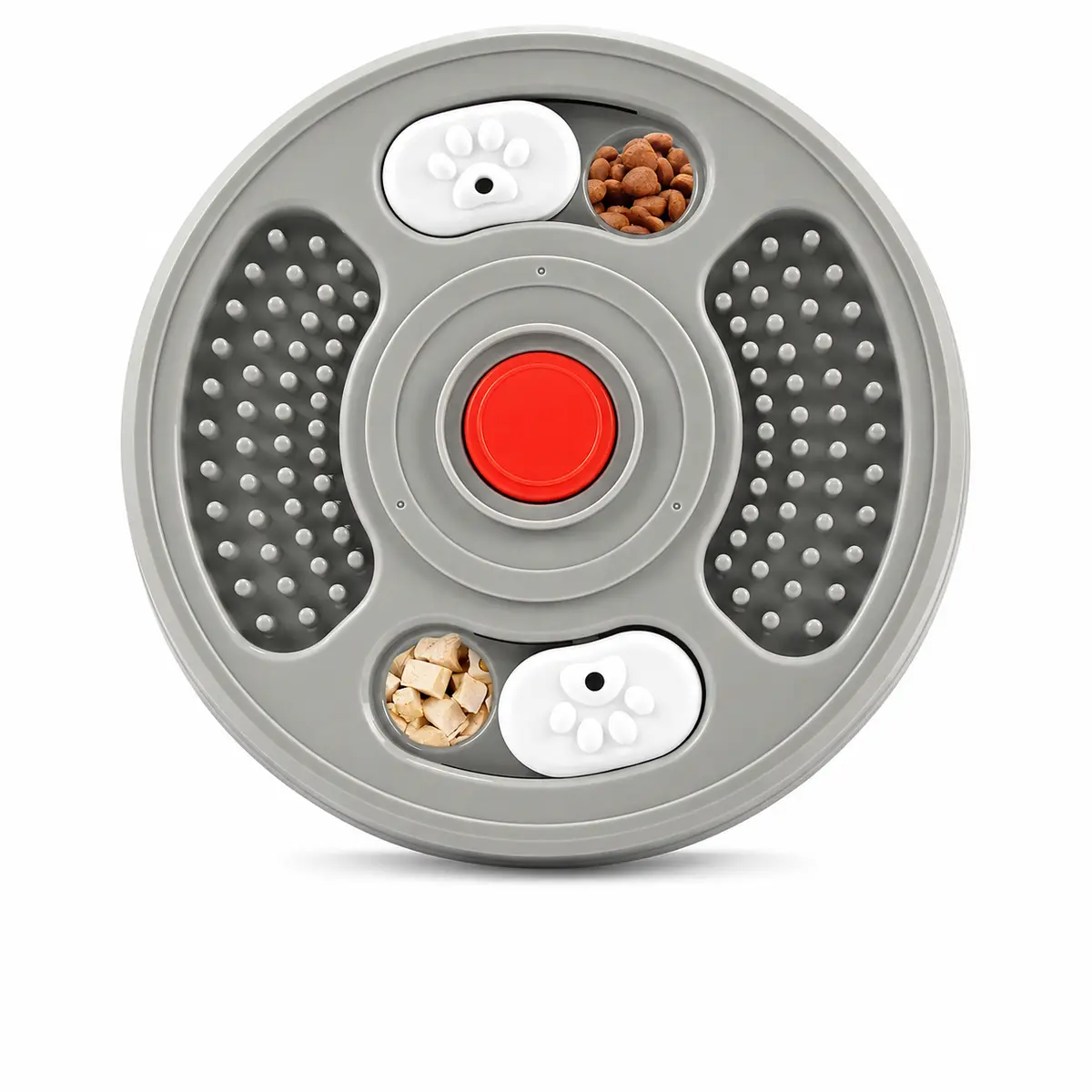
For dogs that gulp anything new, a slow feeder bowl or a lick mat keeps portions small and eating slow.
Puppies and dogs with sensitive stomachs
Puppies can try a bean or two, well cooked and mashed, once they are settled on solid food, but there is no need to offer more. Their stomachs upset easily, and they should get their protein from a complete puppy food built for growth.
Dogs with sensitive stomachs, chronic digestive problems or a prescription diet should only have beans if their vet agrees. Dogs with kidney disease may need to limit some of the minerals beans contain, so ask before adding them.
Signs it disagreed with them, and when to call a vet
Too many beans usually cause gas, bloating, gurgling and soft stool within a few hours to a day. That passes once beans stop. Call your vet if diarrhea lasts more than 24 hours, if you see blood, or if your dog is lethargic or not eating.
A tight, swollen belly with restlessness, drooling or unproductive retching is an emergency, especially in a large breed, and needs a vet straight away. If your dog ate beans cooked with onion or garlic, watch over several days for weakness, pale gums or dark urine and call your vet promptly.
Other beans dogs can and cannot have
Plain cooked pinto, kidney, navy and lima beans and chickpeas are fine in small amounts; raw kidney beans are not, because uncooked they contain a toxin that cooking destroys. Green beans are the easiest of all to share, raw or steamed. Garlic hummus, baked beans and chili beans should stay on your plate.
This page is general information, not veterinary advice, and it cannot replace an examination by the vet who knows your pet.
Common questions
Can dogs eat canned black beans?
Plain canned black beans are fine occasionally if rinsed well to remove the salty liquid. They are higher in sodium than home-cooked beans, so they are best kept for small, infrequent servings.
Can dogs eat refried beans?
No. Refried beans are usually cooked with lard or oil and often seasoned with onion, garlic and salt. If your dog ate some, watch for stomach upset and call your vet if onion or garlic was in the recipe.
Can dogs eat black beans and rice?
Plain cooked black beans with plain white rice are fine as a small topper. Restaurant or homemade versions with onion, garlic, peppers or spices are not safe for dogs.
Do black beans give dogs gas?
Often, yes. Beans contain fiber and sugars that gut bacteria ferment. Small portions, thorough cooking and spacing servings out over the week usually keep it manageable.
Can dogs eat raw black beans?
No. Raw or undercooked beans are hard to digest and can upset the stomach. Soak and cook dried beans until completely soft before sharing any with your dog.
Sources we checked
This guide is general information, not veterinary advice. If your pet is unwell or injured, contact your veterinarian.