Food safety
Can Dogs Eat Barley? Grain Ingredients and Diets
Yes, barley can be part of an appropriate diet for dogs. VCA includes it among grains that provide useful nutrients and digestible carbohydrate rather than describing it as an empty filler. That does not mean adding barley improves every dog’s meals or makes a homemade mixture balanced. Judge the full diet, the preparation, and your dog’s individual restrictions instead of treating one grain as either a universal problem or an essential supplement.
By Matt GarnettUpdated November 13, 20264 min read3 sources
Barley has a nutritional role rather than an automatic warning
VCA names barley among grains contributing protein, fiber, vitamins, and minerals to pet food. It explains that grains provide digestible carbohydrate for dogs and cats. This supports considering barley as a usable ingredient, rather than rejecting a complete food simply because its ingredient list contains a grain.
The relevant question is how the whole food meets the dog’s needs. A useful ingredient can be present in an unsuitable overall recipe, and its absence does not establish that another recipe is better. Bring the full product information to a nutrition discussion rather than highlighting only the barley line on the label.
Grain-free and carbohydrate-free are different descriptions
The AKC explains that dogs differ from wolves in their ability to use starch and that grain-free foods may contain other plant carbohydrate sources. A barley-free label therefore does not identify a carbohydrate-free food. It also does not establish that a diet is appropriate for a dog with an unexplained symptom.
When comparing foods, describe the dog’s age, current diet, activity, weight history, and medical concerns to the veterinarian. Avoid switching repeatedly on the strength of a single ingredient claim. If a change is indicated, ask how to make it and what observations the team wants you to report afterward.
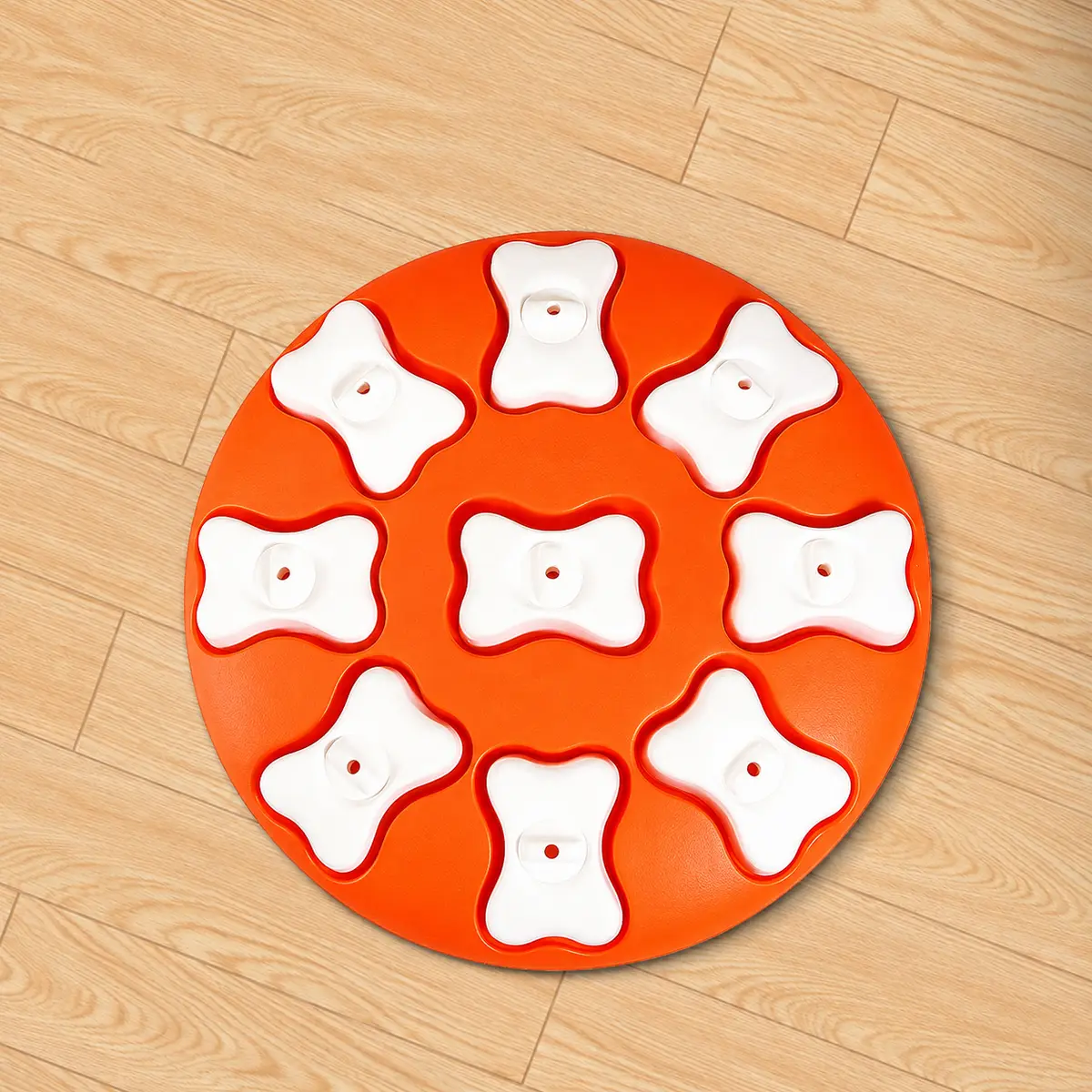
Spreading a few safe pieces across a snuffle mat or packing them into a puzzle toy turns a small treat into a few minutes of sniffing work.
An individual food reaction needs individual assessment
VCA notes that adverse reactions to grains are possible while explaining that avoiding every grain is not a reliable way to manage all food allergies. The AKC likewise distinguishes reactions to particular ingredients from an entire food category. Neither source’s general discussion diagnoses whether barley is a problem for your dog.
If itching, recurrent digestive trouble, or another concern prompted the question, arrange veterinary assessment instead of testing a series of foods at home. During an instructed food trial, ask before offering any barley-containing extra. Keep the recipe and treats consistent with that plan rather than introducing a grain to see what happens.
A barley-containing dish has more than one ingredient
A complete dog food, a bowl of grain prepared for people, and a barley-containing soup are different products. Read the full recipe before considering a table-food extra. A statement about barley’s nutritional use cannot evaluate seasonings, sauces, or other additions that accompany it in a finished dish.
Ask the veterinarian about the actual preparation when you want to share it. Do not give an unknown leftover merely because one ingredient can occur in dog food. After an accidental theft, save the package or recipe, note the estimated amount and time, and mention any missing container material as a separate detail.
An added grain does not complete an improvised diet
VCA’s general dog-feeding guidance emphasizes appropriate nutrition throughout the dog’s life. Barley alone cannot make an assortment of meat and vegetables nutritionally complete. If the existing food already meets the dog’s needs, adding another ingredient is not automatically an improvement and can complicate a prescribed feeding routine.
Discuss homemade feeding with the veterinary team before replacing regular meals. Explain whether you want an occasional reward, a different complete food, or an ongoing home-prepared diet; these are different decisions. For puppies, keep growth requirements central rather than copying an adult dog’s table-food routine or assuming one extra grain meets those needs.
Respond to illness without blaming or treating one ingredient
Stop an optional new extra and contact the veterinarian about vomiting, diarrhea, appetite loss, or unusual behavior. Record the full preparation and other recent foods instead of assuming barley caused the change. Repeated illness, apparent pain, marked weakness, collapse, or breathing difficulty needs prompt attention. Do not give human medication or use another food as a home treatment.
This page is general information, not veterinary advice, and it cannot replace an examination by the vet who knows your pet.
Common questions
Is barley in dog food just a filler?
VCA describes grains including barley as sources of useful nutrients and digestible carbohydrate. Assess the complete food and the dog’s needs instead of judging nutritional quality from that single ingredient.
Does grain-free food contain no carbohydrate?
No. The AKC explains that grain-free foods can use other plant carbohydrate sources. Removing barley does not by itself identify the nutritional profile or medical suitability of the replacement diet.
Can I use barley to test whether my dog has an allergy?
Do not run an improvised food test. Discuss the symptoms and full diet with your veterinarian, and follow any prescribed food-trial instructions before adding or removing individual ingredients.
Can puppies follow the same barley routine as an adult dog?
Do not assume so. Puppies need appropriate growth nutrition, and a table-food habit should not replace a complete growth diet. Ask the veterinarian about the individual puppy and actual preparation.
Sources we checked
This guide is general information, not veterinary advice. If your pet is unwell or injured, contact your veterinarian.