Health & vet care
Worms in Dog Poop: What They Look Like and What to Do
If you see worms in your dog's poop, they are most likely tapeworm segments, which look like small grains of white rice, or roundworms, which look like strands of spaghetti. Hookworms and whipworms are rarely visible, even though they can cause more harm. Bag a fresh sample, call your vet to arrange a stool test, and pick up the yard promptly, because some dog worms can infect people.
By Matt GarnettUpdated November 10, 20265 min read2 sources
What the worms you see usually are
VCA reports that the worm owners most often notice is the Dipylidium caninum tapeworm. What you actually see are segments: flat, cream-colored pieces about the size of a grain of rice that may wriggle when fresh, then dry into something like a sesame seed. They show up on the stool, around the anus or on bedding. Dogs get this tapeworm by swallowing an infected flea while grooming, so tapeworms are a sign of fleas.
Roundworms are long, round, pale and look like cooked spaghetti, sometimes coiled. They are especially common in puppies, which often catch them from their mother before birth or through her milk, and they may also be vomited up. The AKC explains that hookworms and whipworms are small and thin, and VCA notes these worms usually shed only microscopic eggs, so a dog can carry them with completely normal-looking poop. Not everything that looks like a worm is one: undigested grass, rice and fly larvae on old stool can fool anyone.
Signs your dog may have worms
Many dogs with worms look perfectly healthy. When signs appear, the AKC lists weight loss despite a good appetite, a pot-bellied look in puppies, vomiting, diarrhea or soft stool, blood or mucus in the stool, a dull coat, low energy and dehydration. Scooting or licking under the tail can point to tapeworm segments irritating the skin.
Hookworms feed on blood and can cause anemia, which is dangerous in young puppies and small dogs; look for pale gums and weakness. Heavy whipworm infections cause recurring diarrhea, sometimes with blood, and weight loss. Heartworm is a different parasite that lives in the heart and lungs, is spread by mosquitoes, and never appears in the poop.
When to call your vet today
Call your vet to book a stool test whenever you see worms or worm segments, even if your dog seems well. The type of worm decides the treatment, and over-the-counter dewormers do not cover every kind. Call the same day for a puppy with worms plus diarrhea, vomiting, a swollen belly or poor growth.
Also call if worms keep appearing after treatment, if your dog has ongoing diarrhea, weight loss or blood in the stool, or if anyone in the household, especially a young child, may have come into contact with contaminated soil or feces.
When it's an emergency
Go to your vet or the nearest emergency vet immediately if a puppy is weak, cold, collapsed or has pale or white gums, which can mean severe anemia from hookworms. Repeated vomiting, a swollen and painful belly, bloody diarrhea with lethargy or a dog that cannot keep water down also need urgent care.
In very heavy roundworm infections, a mass of worms can rarely block the intestine of a young puppy. Straining without passing stool, vomiting and a distended belly in a puppy are reasons to be seen right away.
What you can safely do at home
Collect a fresh stool sample in a sealed bag or container, ideally from the last 12 to 24 hours, and keep it cool until your appointment. The AKC advises getting samples to your vet within 24 hours. A photo of anything you saw helps, and if you can, put a segment or worm in a sealed bag too.
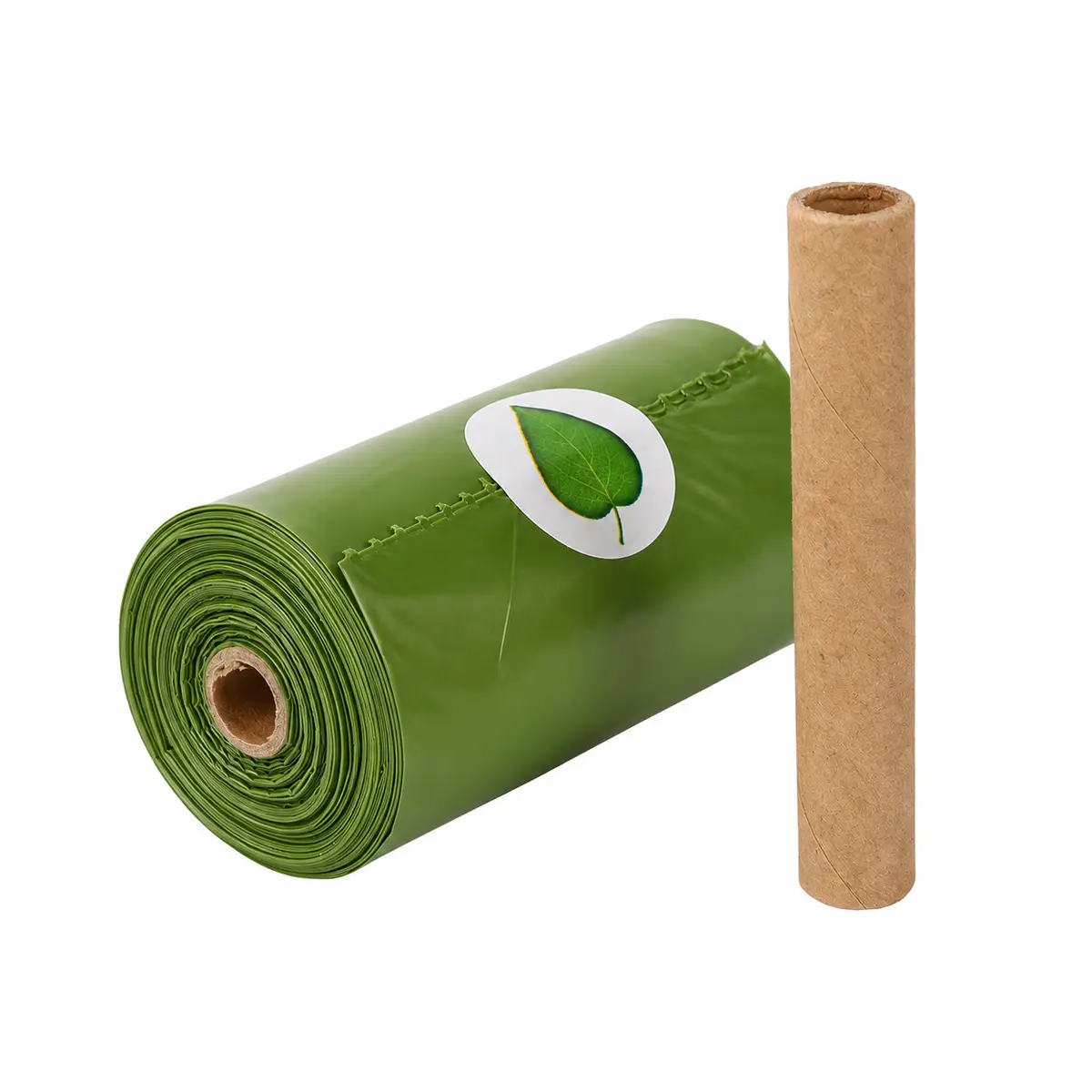
Pick up poop from the yard daily, wear gloves or use a dog poop bag or a pooper scooper, and wash your hands well. Treat fleas on every pet in the home, since that is how tapeworms spread. Do not give a dewormer you have at home, a product meant for another species, or home remedies such as garlic, which is toxic to dogs. Ask your vet before giving anything.
What the vet will likely check
Your vet will usually examine a stool sample under the microscope after a flotation test, which concentrates worm eggs, and may run an antigen test that detects roundworm, hookworm and whipworm. Tapeworm eggs often do not show up on a stool test, so the segments you saw are the main evidence. Whipworms shed eggs on and off, so a repeat test may be needed.
Treatment is a deworming medicine chosen for the type of worm and your dog's weight, sometimes repeated after a few weeks to catch worms that hatch later. VCA warns that dead adult worms may pass in the stool for a short time after treatment; if live worms keep appearing, call your vet. For tapeworms, treating fleas is essential, or the infection simply returns.
Prevention and protecting your family
Puppies are dewormed from a young age on a schedule your vet sets, because so many are born with roundworms. For adult dogs, the AKC recommends stool checks at least once a year and more often for puppies. Many monthly heartworm preventives also control common intestinal worms, so ask your vet what yours covers, and keep every pet on flea control.
Pick up after your dog promptly with dog poop bags, keep sandboxes covered, stop your dog eating dead animals or other dogs' poop, and teach children to wash their hands after playing outside and with pets. Roundworms and hookworms can infect people, so good hygiene protects the whole household.
This page is general information, not veterinary advice, and it cannot replace an examination by the vet who knows your pet.
Common questions
What do white worms in dog poop mean?
Small, flat, rice-like white pieces are usually tapeworm segments, often from swallowing fleas. Long, thin, spaghetti-like white worms are usually roundworms. Either way, take a sample to your vet so the right treatment is chosen.
Can I get worms from my dog?
Some dog worms, especially roundworms and hookworms, can infect people, usually through contact with contaminated soil or feces. Pick up poop promptly, wash your hands and keep children from playing where dogs toilet.
Is it normal to see worms in dog poop after deworming?
Yes, for a short time. Dead or dying worms can pass in the stool for a day or two after treatment. If you keep seeing live worms after that, call your vet.
How did my dog get worms?
Dogs pick up worms by swallowing eggs or larvae from soil, feces or prey, by swallowing infected fleas, through the skin with hookworms, or from their mother before birth or through milk.
Sources we checked
This guide is general information, not veterinary advice. If your pet is unwell or injured, contact your veterinarian.