






Buying guides
Choosing a Poultry Incubator Cabinet
An incubator’s headline egg count describes only one part of the equipment. Tray layout, usable space, controls, water handling and the electrical rating need their own checks. This equipment-selection guide helps organize those questions before buying; it does not supply a hatching schedule or certify any particular cabinet.
By Giddy Pets EditorialUpdated November 14, 20263 min read2 sources
Define capacity by the actual tray arrangement
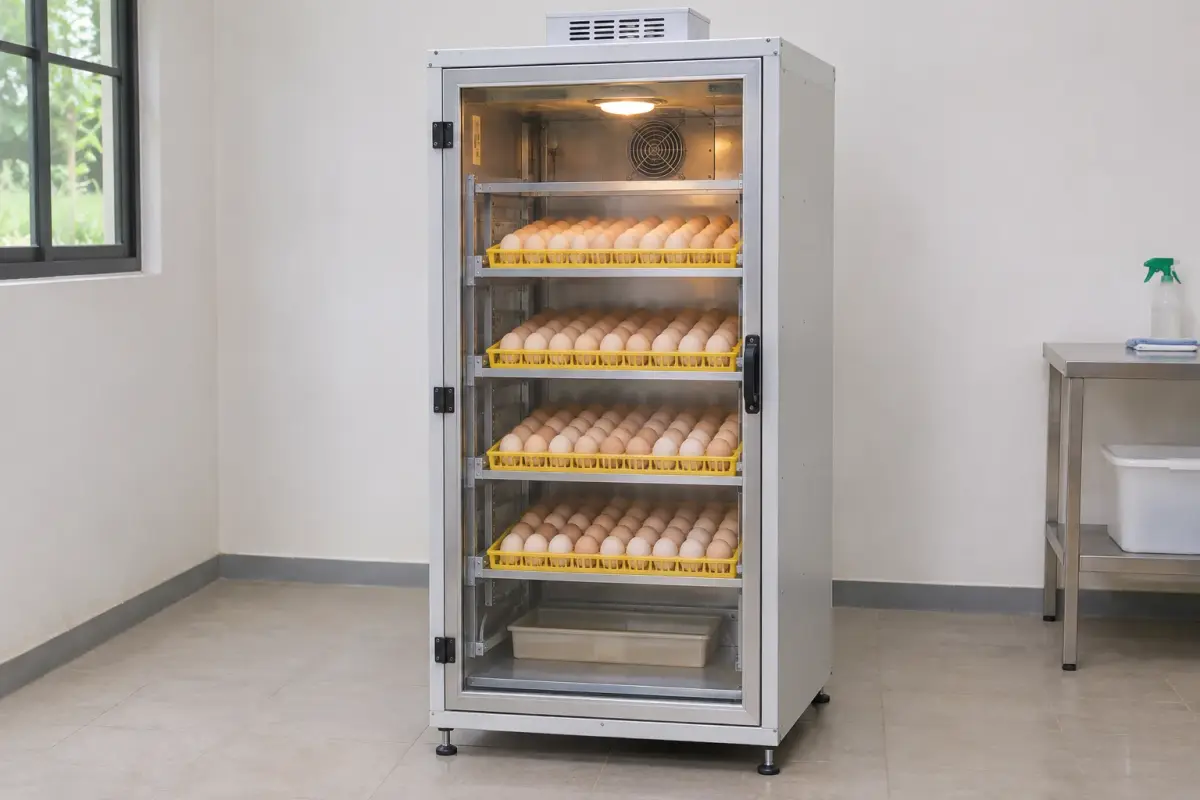
Write down the egg type, tray design and number of trays used to calculate the advertised capacity. An egg count does not establish that a larger egg fits in every position. Ask whether alternate trays or baskets are supplied, optional or unavailable, and keep those answers with the exact cabinet model.
Incubating trays and hatching baskets have different jobs. Mississippi State University Extension’s guide to hatching quality chicks describes different incubator arrangements and procedures. Use that context to ask what the equipment actually contains. A claim that several bird species are supported does not establish a shared operating schedule or a suitable mixed batch.
Measure installation and service space
Record outside cabinet width, depth and height, then add the space needed to open the door, withdraw a tray and reach the water tank. Check the delivery route separately, including doorways and corners. Packaging measurements describe the shipment and should not be substituted for the assembled cabinet’s installation space.
Keep the diagram’s original units. For an inch-based specification, multiply by 2.54 to calculate centimeters and label each axis. Do not copy rounded metric figures from a different panel if they disagree. Handles, hinges, cables and an opening door may project beyond the rectangular body, so request a drawing that identifies those parts.
Compare controls with the supplied manual
Make a list of the controls and what they monitor: temperature, humidity, turning and alarms. A display indicates what the controller reports; it does not independently verify the conditions at every tray. Ask how the maker instructs owners to check the readings and which alarms are fitted to that exact model.
Mississippi State Extension identifies temperature, humidity, ventilation and turning as separate incubation factors. When comparing cabinets, check how each function is controlled and inspected. Automatic turning is not automatic supervision, and the presence of a fan does not establish a specific airflow pattern, calibration or performance guarantee.
Confirm electrical and water requirements
Read the rating label or request a clear photograph of it. Match the exact model to its supply voltage, frequency, rated input and plug. A stock location, a generic photograph or a domestic-looking outlet nearby does not confirm compatibility with your electrical supply. Do not improvise a wiring or adapter solution from marketing photographs.
Find the instructions for filling, draining and inspecting the water system. Record whether a container, float or hose is supplied and where it can be reached. Water-related controls and dry-run claims need model-specific documentation. Ask what happens during a loss of power and follow the manual, rather than assuming the cabinet has backup operation.
Plan cleaning, spares and the next stage
Trace how trays, baskets and water-contact parts can be removed and cleaned between batches. Check which surfaces are accessible with the door open and whether electrical components must remain dry. Request the cleaning materials and reassembly directions specified for the cabinet. A wipeable outer shell does not describe every internal cleaning task.
Keep the manual, rating label, parts list and tray capacities together before committing to a model. Plan the separate housing and care required after hatching with an appropriate poultry adviser. This is general information, not veterinary advice. No stocked cabinet is recommended here while exact power, tray and operating details remain unresolved, and this guide makes no hatch-rate promise.
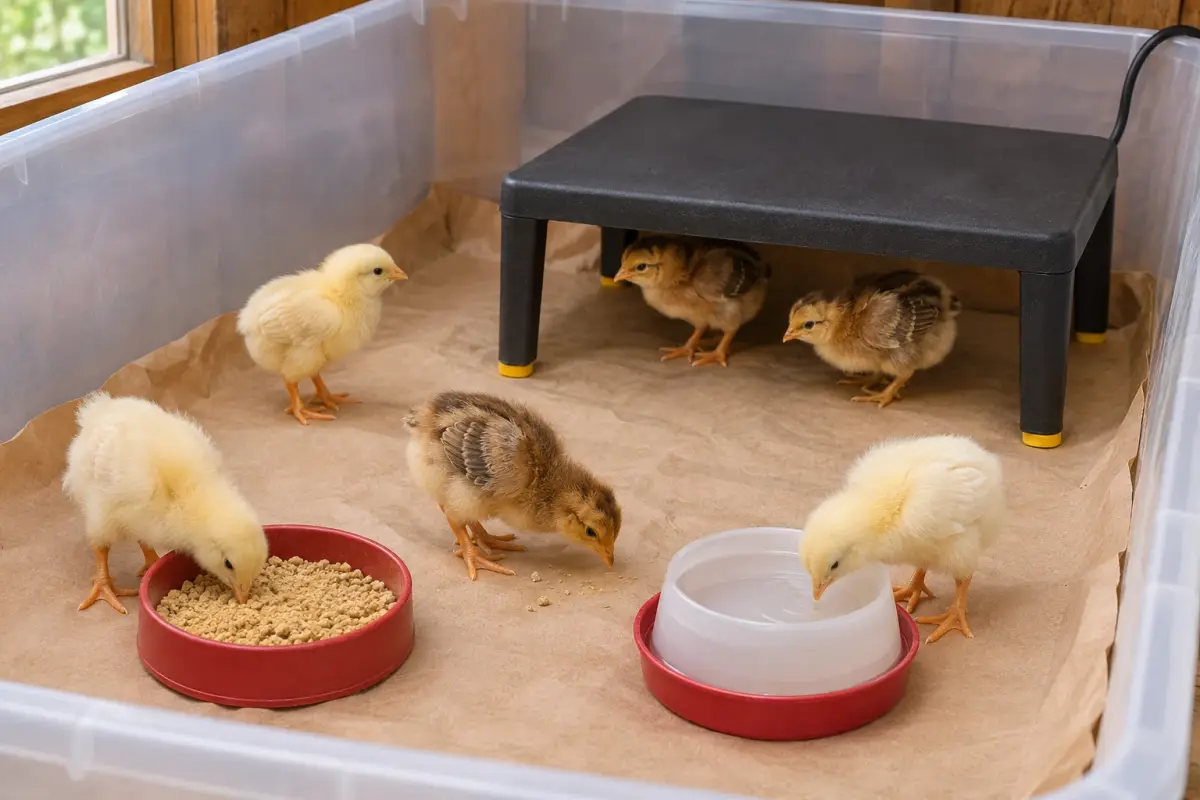
Plan where the chicks will go after the brooder as well: most keepers move them to a chicken coop and run once they are fully feathered.
Common questions
Does an egg count apply equally to every bird species?
Not automatically. Confirm the tray layout and capacity for the intended eggs.
Does automatic turning remove the need to check the equipment?
No. Turning, water, ventilation and control readings remain separate checks.
Does US stock establish US mains compatibility?
No. Verify the exact rating label, plug and operating manual.
Sources we checked
This guide is general information, not veterinary advice. If your pet is unwell or injured, contact your veterinarian.