






Care & how-to
Cat Hairballs: What's Normal and How to Help
Cats get hairballs because they swallow loose hair while grooming, and the hair cannot be digested. Cornell says bringing one up every week or two is common and usually just a nuisance. More often than that, unproductive retching, or a cat that is lethargic and off food, is not normal and needs a vet, because a hairball can block the intestines.
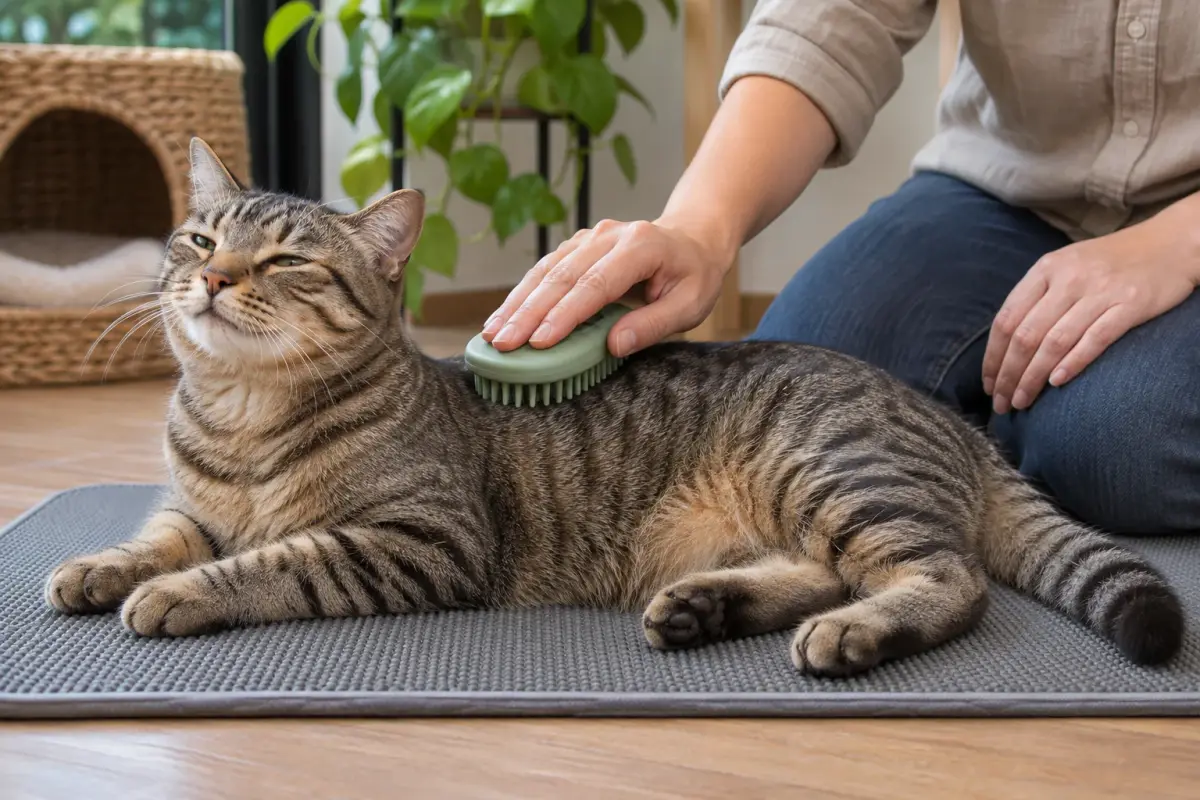
By Matt GarnettUpdated November 14, 20264 min read3 sources
Why cats get hairballs
A cat's tongue is covered in tiny backward-facing hooks that work like a comb. As your cat grooms, loose hair catches on them and is swallowed. Hair is made of keratin, which cats cannot digest. Cornell explains that most of it passes through in the stool, but some stays in the stomach and gathers into a wad that is eventually brought back up as a hairball, which is usually tube-shaped from passing through the esophagus.
Some cats get far more than others. Long-haired breeds such as Persians and Maine Coons are more prone, as are cats during seasonal shedding in spring and fall. VCA adds that cats that overgroom because of allergies, fleas, skin disease or stress swallow more hair, and that a low-fiber diet or a gut motility problem can stop hair moving through normally.
What's normal and what isn't
An occasional hairball in a cat that is otherwise eating, playing and passing normal stools is not a cause for concern. Cornell describes once every week or two as common. Kittens and young cats are less likely to have them, so a young cat with frequent hairballs is worth mentioning to your vet.
It is not normal for a cat to vomit hairballs several times a week, to retch and hack repeatedly with nothing coming up, or to vomit food often and blame it on hairballs. Coughing from feline asthma is often mistaken for hairball hacking: the cat crouches low with the neck stretched out. A short phone video helps your vet tell the difference.
When to see a vet
Cornell advises contacting your vet without delay if your cat is lethargic and refuses food for more than a day or two, or has repeated unproductive retching. These can mean a hairball is lodged in the stomach or intestines. A blockage can be fatal without treatment and may need surgery.
Go to an emergency vet immediately if your cat is retching repeatedly, has a swollen or painful belly, is constipated with vomiting, or collapses. Also book a regular visit if hairballs are becoming more frequent, if your cat is overgrooming or losing patches of hair, or if vomiting seems to happen more often than hairballs would explain.
How to reduce hairballs at home
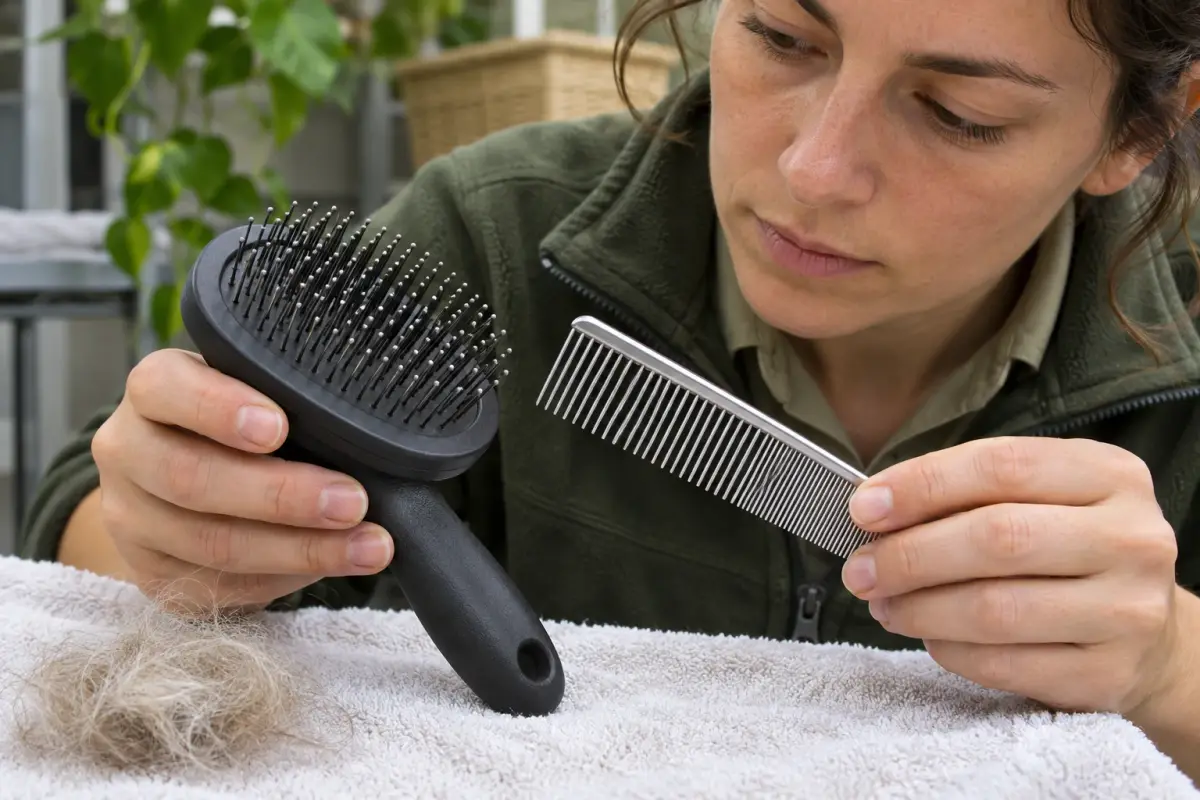
Brushing is the most effective step, because every hair you remove is one your cat does not swallow. Cornell recommends brushing or combing daily, especially during seasonal shedding. A long-toothed comb suits long coats and a rubber or bristle brush suits short coats. Keep sessions short and pleasant, and reward with a treat.
VCA also suggests encouraging your cat to drink more with fresh water in several places, a water fountain or wet food, since good hydration helps hair move through the gut. Ask your vet about hairball-control foods or treats, which usually contain extra fiber. Cornell cautions never to give a cat a laxative or hairball remedy without your vet's approval.
Hairballs as a clue to other problems
Frequent hairballs are sometimes a sign that something else is going on. A cat that suddenly grooms much more may be itchy from fleas or allergies, in pain, or stressed by a change at home. Cornell notes that excessive grooming can point to a skin problem that needs a veterinary or dermatology assessment.
Other times the issue is in the gut. VCA lists motility disorders and inflammatory bowel disease among the reasons hair does not pass normally. If your cat vomits often, loses weight, or has diarrhea or constipation along with hairballs, a vet exam with blood tests or imaging can find a treatable cause rather than leaving you to clean up after it.
This page is general information, not veterinary advice, and it cannot replace an examination by the vet who knows your pet.
Common questions
How often should a cat throw up a hairball?
Cornell describes a hairball every week or two as common and usually nothing to worry about. More often than that, or repeated retching with nothing coming up, is a reason to talk to your vet about grooming, diet and possible underlying problems.
Can a hairball kill a cat?
Rarely, but yes. A large hairball can lodge in the intestines and cause a blockage, which can be fatal without surgery. Warning signs are repeated unproductive retching, lethargy and not eating for more than a day or two.
Do hairball cat foods work?
They can help some cats, usually by adding fiber that moves hair through the gut. They do not replace brushing, and they are not right for every cat. Ask your vet before switching, especially if your cat has other health conditions.
What does a hairball look like?
Usually a narrow, tube-shaped wad of wet hair, often a few inches long, sometimes with a little fluid or food. If what your cat brings up is mostly food or liquid, it is ordinary vomiting rather than a hairball.
Sources we checked
This guide is general information, not veterinary advice. If your pet is unwell or injured, contact your veterinarian.