






Care & how-to
Why Is My Cat So Clingy? Changes to Watch
Your cat may be clingy because it enjoys your company, wants a familiar routine, or feels unsettled, but a sudden increase in attention seeking can also accompany illness. Compare the behavior with what is normal for your individual cat. New clinginess, especially alongside changes in eating, activity, sleep, or litter box use, deserves a conversation with your veterinarian.
By Matt GarnettUpdated November 14, 20264 min read4 sources
Start with your cat’s normal pattern
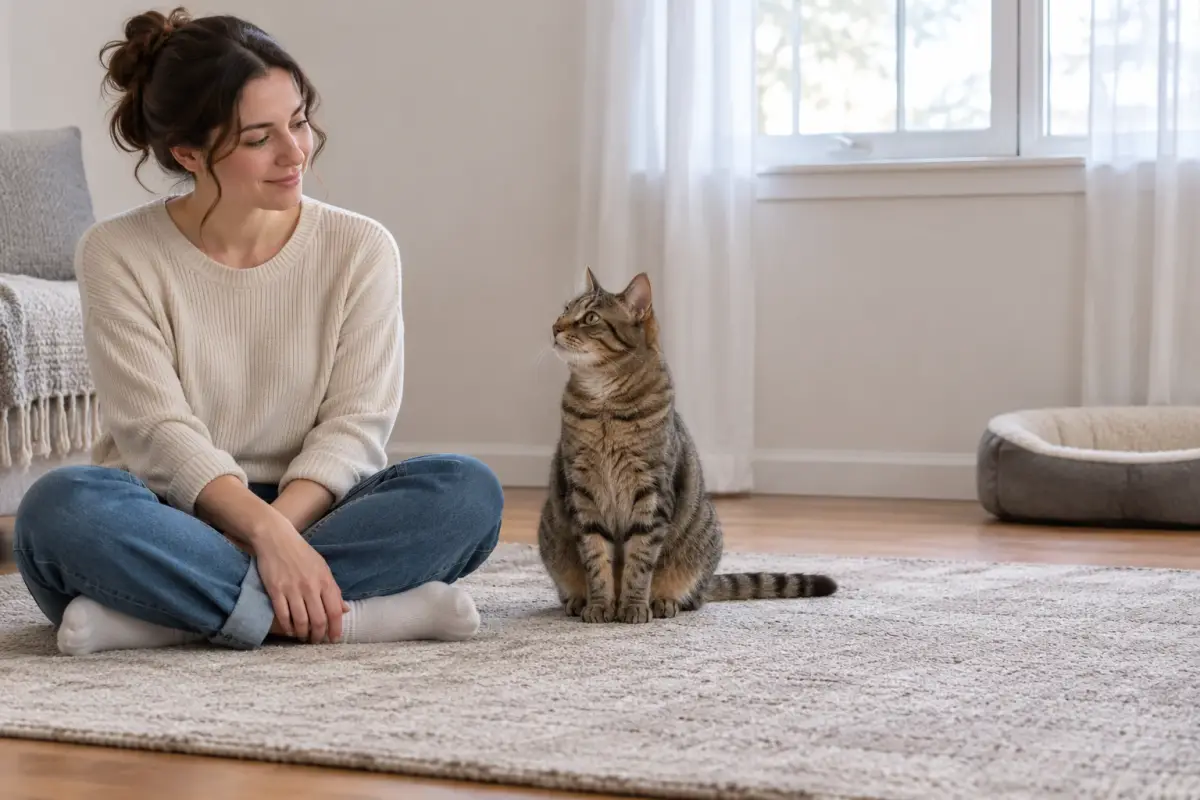
Some cats regularly seek close contact, while others prefer sharing a room without being touched. Merck describes considerable variation in feline social behavior and emphasizes interactions that the cat experiences positively. Wanting to sit nearby is not, by itself, evidence that something is wrong. Consider whether your cat can also rest comfortably and choose when to approach or leave.
Write down what “clingy” means in this case: following you, calling when you leave, repeatedly climbing onto your lap, or requesting more petting. Note when it began and the situations in which it happens. A description such as “started following me constantly on Tuesday” gives the veterinary team more useful information than a label such as needy.
Treat a new change as useful health information
VCA includes increased clinginess or attention demands among possible changes in a cat that is unwell. Cats can conceal illness, so a shift in their usual behavior matters even when there is no obvious injury. Clinginess does not identify a particular disease, and an online explanation cannot establish whether the cause is physical, emotional, or a combination.
Contact your veterinarian about a sudden or persistent change. Explain whether appetite, drinking, grooming, movement, breathing, or litter box habits have changed too. Ask how soon the cat should be examined and what to watch for while waiting. Avoid assuming that an affectionate cat cannot be uncomfortable, and do not give human medication or begin a treatment based on the behavior alone.
Notice sleep and orientation changes in older cats
Penn Vet describes increased clinginess as one possible behavioral change in aging cats, sometimes occurring with altered sleep, nighttime vocalizing, or disorientation. These observations can help an assessment, but they do not prove cognitive decline. An older cat that suddenly wants more reassurance still needs attention to its broader health rather than an assumption that this is simply age.
Keep a short record of when the cat sleeps, seeks contact, seems confused, or has trouble using familiar spaces. Bring the pattern to the appointment, including whether it is new or gradually developing. Ask the veterinarian which observations would change the urgency of care. Keep access to familiar resting places and litter facilities straightforward while the team considers the individual cat’s needs.
Make home life predictable and offer choices
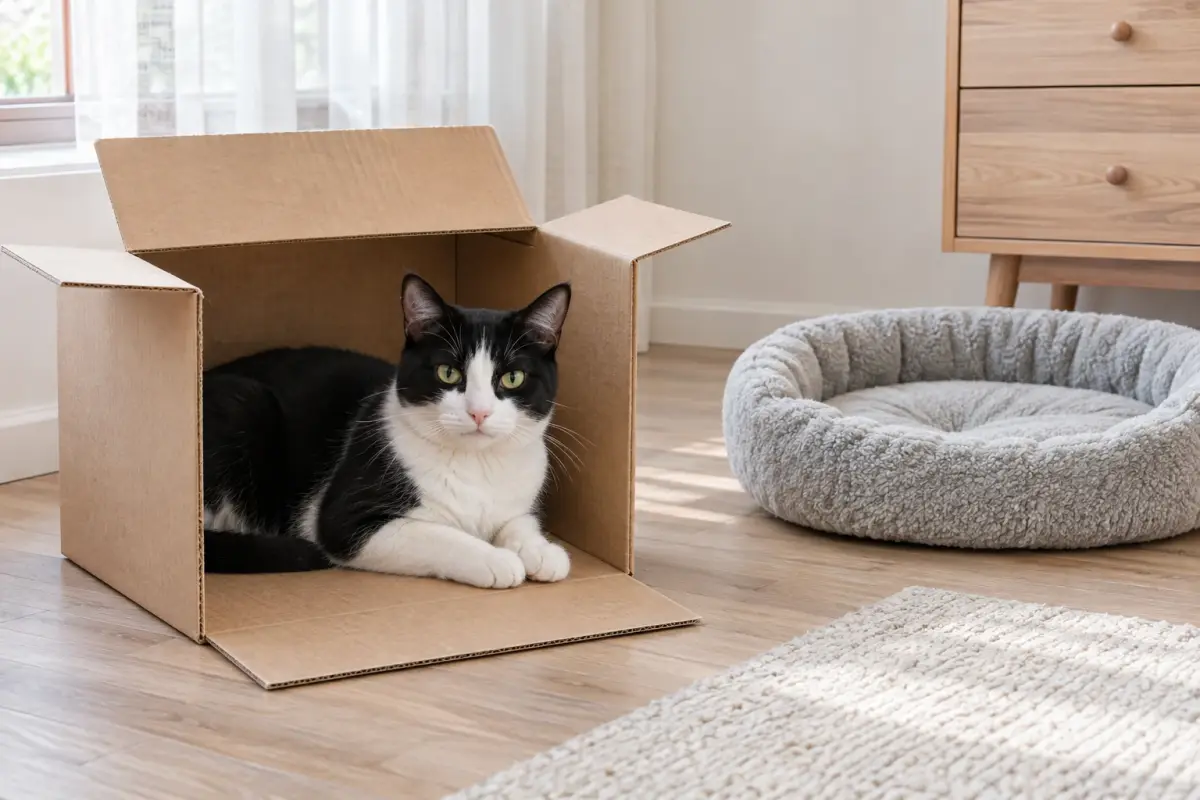
Merck identifies safe resting places, separated resources, play opportunities, and predictable human interaction as important parts of a suitable feline environment. Consider whether a move, visitor, schedule change, or another animal has altered access to your cat’s usual spaces. Provide a retreat where the cat can settle without being followed or handled, as well as the option to be near you.
VCA recommends enrichment matched to the individual cat rather than a single activity that supposedly suits every cat. Offer appropriate opportunities to explore, climb, hide, watch the surroundings, or play, and observe which ones your cat actually uses. The aim is a comfortable daily life with several worthwhile choices. It is not to keep a distressed cat occupied so that a new health concern goes unexamined.
Let contact stay comfortable for both of you
Merck advises against punishment that can damage the relationship or provoke aggression. Do not scold, spray, or physically force a cat away for seeking contact. Instead, make calm interactions available at predictable times and allow the cat to disengage. If petting seems unwelcome, sharing a quiet space can be a better choice than insisting on touch.
Review your notes after speaking with the clinic: what has changed, what has stayed normal, and whether the cat is able to settle. Tell the veterinary team if the pattern intensifies or additional signs appear. Ask for individualized behavioral help if health assessment and environmental adjustments do not resolve the difficulty. You do not need to decide between “just affection” and a diagnosis before asking for guidance.
This page is general information, not veterinary advice, and it cannot replace an examination by the vet who knows your pet.
Common questions
Does being clingy mean my cat is sick?
Not necessarily. Some cats ordinarily enjoy frequent contact. However, VCA lists increased attention seeking among possible illness-related behavior changes, so a new or persistent shift should be discussed with your veterinarian.
Should I ignore my cat until it becomes more independent?
Do not use withdrawal of care as a substitute for understanding a new behavior. Offer predictable, comfortable contact and independent resting or play options, while arranging veterinary advice when the pattern has changed.
Can an older cat become more attached to me?
Yes, increased clinginess can occur in older cats. Penn Vet describes it among possible aging-related behavioral changes, but health assessment matters because the behavior alone cannot establish why it is happening.
Sources we checked
This guide is general information, not veterinary advice. If your pet is unwell or injured, contact your veterinarian.