






Breeds
Bichon Frise vs Maltese: Compare Size, Coats, and Care
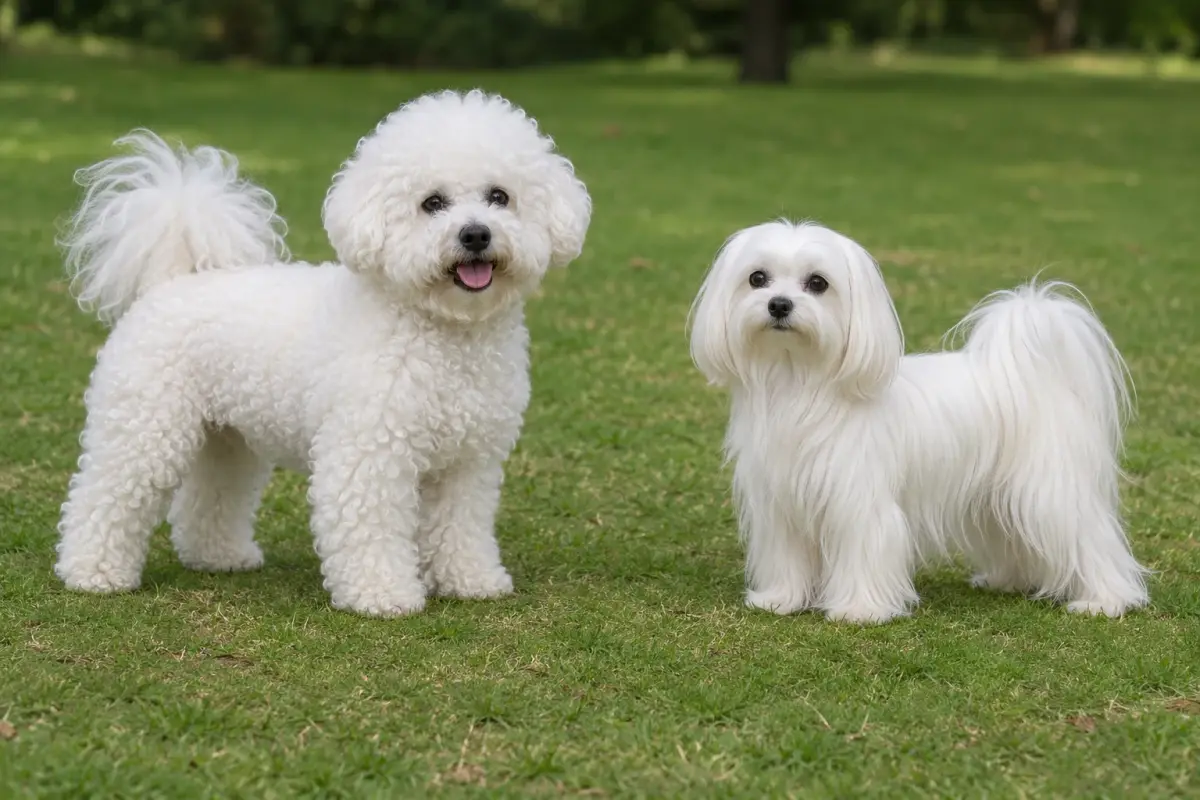
The Bichon Frise is usually the sturdier, larger dog with a curly coat, while the Maltese is a smaller toy companion with a long, silky coat. Both offer playful companionship and substantial grooming commitments. Choose based on handling, coat care, daily attention, and the individual dog’s temperament rather than assuming that a small white dog will be an effortless pet.
By Matt GarnettUpdated November 14, 20263 min read4 sources
The practical differences at a glance
VCA gives Bichon Frises a weight guide of 12–18 pounds and Maltese a guide of under 7 pounds. Its broad lifespan ranges are 14–15 years for Bichons and 12–15 for Maltese. Those figures are planning guides, not predictions for an individual puppy or adult.
Coat texture is another obvious difference: the Bichon has a curly double coat, while the Maltese has a long, silky coat. Both need regular grooming. Both also need activity, companionship, and training. A household considering either should compare the actual dog’s handling tolerance and social needs before treating smaller size as easier care.
Choose a size you can handle thoughtfully
AKC describes the Bichon as small but sturdy and the Maltese as a tiny toy companion. That difference matters in a busy home. Think about the people and animals sharing the space and whether everyone can interact gently with the dog you are considering.
Ask how the individual reacts to being picked up, groomed, or approached while resting. Watch interactions without forcing them. A breed’s pleasant reputation is not a guarantee that a particular dog enjoys every kind of attention. Discuss safe handling with your veterinarian when you have questions about a small dog’s comfort or physical limitations.
Make room for personality and companionship
AKC emphasizes the Bichon’s charm and intelligence and describes the Maltese as playful and adaptable. Those traits can be appealing if you enjoy an engaged little companion. Consider whether you want a dog nearby during ordinary activities and how you will meet its needs when your attention is elsewhere.
Ask about the dog’s familiar schedule, experience with visitors, and ability to settle. Review the realities of your workday, including who provides company and care. Neither a cheerful description nor a small body tells you how the individual will manage long absences or a sudden change in household routine.
Compare grooming and learning commitments
VCA recommends daily brushing for both breeds to prevent matting. The Bichon’s curly outline may involve regular professional grooming, while a Maltese’s silky coat also requires sustained attention. Ask which style the individual dog currently wears and what daily maintenance that style needs.
Grooming comfort is a useful topic when discussing training. Can the dog stand calmly for gentle brushing and allow routine handling? Ask about its learning history and choose humane, reward-based support for new skills. Set realistic expectations for regular activity as well: a small dog still needs movement and engagement suited to its condition.
Choose the dog whose needs fit your life
A Bichon may appeal if you prefer a somewhat sturdier small companion and are comfortable maintaining a curly coat. A Maltese may appeal if you want a very small companion and can provide gentle handling and consistent silky-coat care. Meet the individual before using either description as a decision.
Bring available records to your veterinarian and discuss preventive care, grooming concerns, and suitable activity. Ask about unexplained changes in behavior, appetite, comfort, skin, or movement. The better choice is a dog whose everyday needs you can support now and as its health or circumstances change.
This page is general information, not veterinary advice, and it cannot replace an examination by the vet who knows your pet.
Common questions
Is a Bichon Frise bigger than a Maltese?
Usually. VCA lists Bichons at 12–18 pounds and Maltese at under 7 pounds. These guides do not replace checking an individual adult’s size or discussing a puppy’s expected development.
Which dog needs less coat care?
Both have significant grooming needs. VCA recommends daily brushing for each to prevent matting. Compare the actual coat style, handling routine, and professional grooming needs before deciding one will be easier.
Are these breeds too small to need training?
No. Both need everyday skills and handling routines that suit their household. Ask about the individual dog’s existing training, use humane guidance, and plan activity and companionship appropriate to its needs.
Sources we checked
This guide is general information, not veterinary advice. If your pet is unwell or injured, contact your veterinarian.