






Buying guides
Best Dog Shirts: How to Choose the Right Fit and Fabric
The best dog shirt fits snugly enough to stay put but loosely enough that your dog can walk, run and play normally. Measure back length, chest and neck, match the weight to the weather, and choose a style for the job: a lightweight vest top, a collared shirt for dressing up, or a flannel layer for cool days. Never leave a dog in clothes unsupervised.
By Matt GarnettUpdated November 14, 20264 min read3 sources
Which dogs actually benefit from a shirt
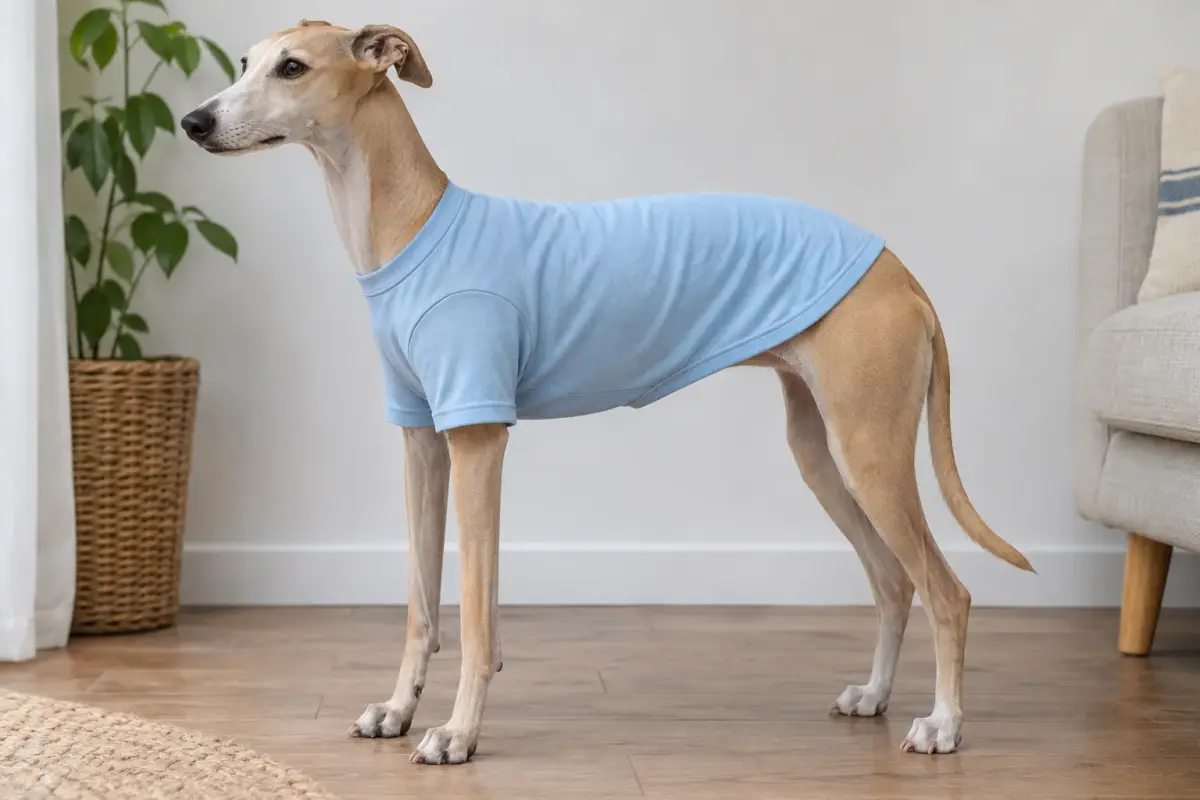
Most dogs do not need clothes, so it helps to know whether yours is one that does. The AKC says sweaters and shirts are especially useful for hairless and short-coated dogs in cold weather, and that small and toy breeds, lean short-coated dogs such as Whippets and Greyhounds, shaved dogs, young puppies and senior dogs also often benefit. If your dog fits one of those groups, browse dog shirts with warmth and comfort in mind.
Healthy large dogs with thick coats generally do not need extra layers, and the AKC cautions they could even overheat in a sweater. Short-nosed breeds need extra caution in warm weather too, because the AKC lists short snouts as a heatstroke risk factor. A shirt is a comfort or style choice for those dogs, never a way to keep them cool, so skip clothing on hot or humid days.
How to measure your dog
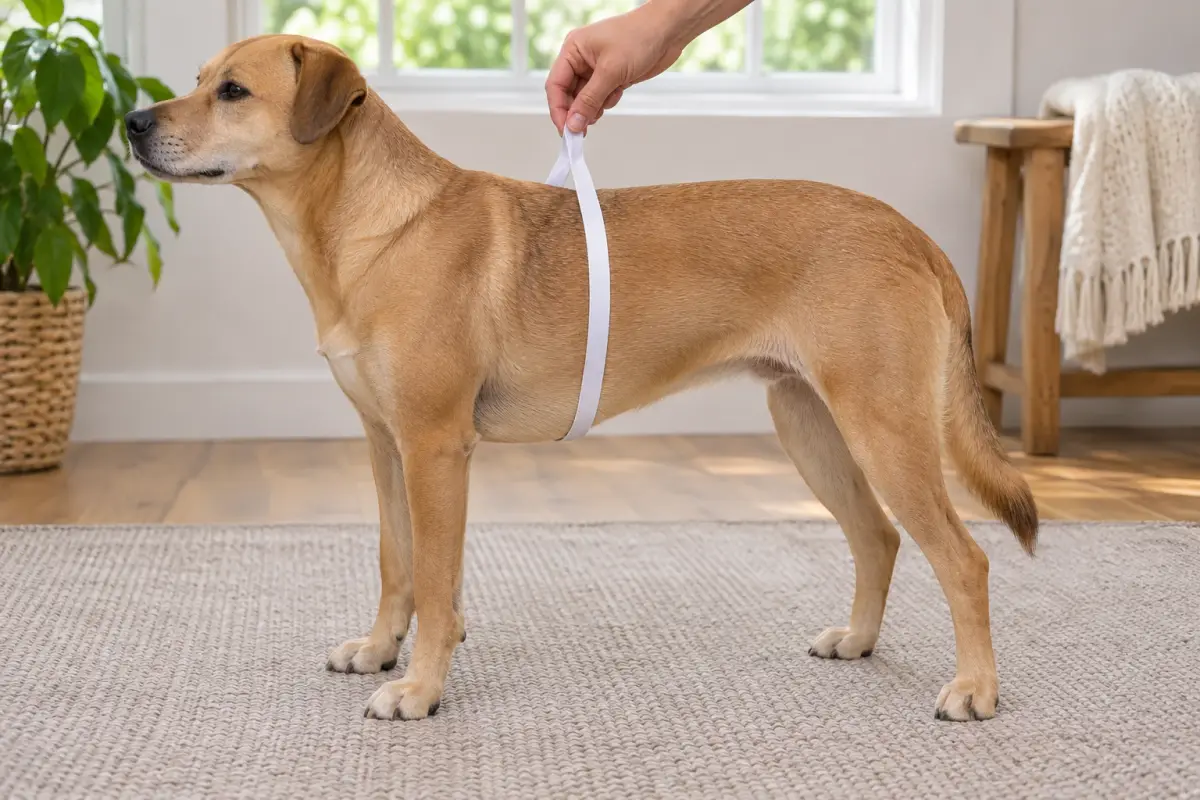
Sizes vary from brand to brand, so check each chart rather than assuming your dog's usual size. The AKC recommends a soft measuring tape and three numbers: back length, chest circumference and neck size. Measure the back from the base of the neck to the base of the tail, and the chest around the widest part behind the front legs, then compare both with the size chart.
If your dog falls between sizes, think about the job the shirt does. A thin vest top can run a little closer to the body, while a layer meant for warmth needs room for the chest to expand. Write the measurements down once and keep them, because they are useful for every garment you buy afterward.
Shirt types compared
A lightweight vest top, such as a soft textured vest top, is the simplest style: one layer, no collar or buttons, easy to pull over the head. It suits indoor wear, light cool-weather layers and sensitive-skin routines where you want little bulk. A summer-print dog vest is the same idea in a warm-weather look, mainly for style and photos.
A collared dog shirt is a dressier choice for family events, photos and holidays. Because it adds structure around the neck, check that the collar does not press on the throat or bunch under a harness. A plaid flannel pet shirt is a heavier layer for cooler days; the AKC notes that thicker garments suit extra-cold weather and lighter ones suit cool weather, so match the weight to the temperature.
The fit checks that matter
The AKC's fit rule is simple: clothing should not be so baggy that your dog can trip or get caught in it, and not so tight that it limits movement. Your dog should be able to walk, run, play, sit and lie down normally. Watch the legs and underarms for rubbing, and check that nothing covers the areas your dog needs to use when going to the bathroom.
Introduce a shirt gradually. The AKC suggests letting your dog sniff the garment in a quiet place, rewarding calm behavior, then putting it on for short periods indoors before any walk. If your dog seems stressed or frustrated, take it off straight away and try again later. A dog that freezes, hunches or tries to scratch the shirt off is telling you it is not ready.
Safety, supervision and washing
Always supervise a dog wearing clothes. The AKC warns that dogs left alone can become entangled, and that clothing can snag or become a choking hazard if a dog is crated or unattended, so remove the shirt before you leave the house or put your dog in a crate. Check seams, buttons and trims regularly, and retire any garment with loose parts that could be chewed off.
Wash shirts regularly, since oils, dirt and mud can cause odor or skin irritation, and follow the care label to prevent shrinking. If you notice redness, rubbing, hair loss or constant scratching where the shirt sits, stop using it and ask your vet. A dog that is panting heavily or seems hot should have the shirt removed at once, and signs such as bright red gums, collapse or difficulty balancing need a vet right away.
Choosing for your situation, and where to go next
For a small or short-coated dog in cool weather, a mid-weight shirt with a good fit is usually enough. For a dog that mostly wears clothes for photos or holidays, a lightweight collared shirt worn for short stretches under supervision is fine. For wet weather or serious cold, a shirt is not the right layer, so look at dog sweaters or dog raincoats instead.
When you are ready to compare styles and sizes, head back to our dog shirts collection and use your measurements to narrow the choice.
This page is general information, not veterinary advice, and it cannot replace an examination by the vet who knows your pet.
Dog-shirt shapes and coverage
| Style | Construction difference | Fit check |
|---|---|---|
| Vest top | Sleeveless, with an opening for each front leg | Watch the armholes as your dog steps forward. The edges should clear the crease behind each front leg. |
| Collared shirt | Folded collar, often with a button or snap front | With your dog sitting, check that the collar lies flat and the fabric between fasteners stays relaxed. |
| Flannel shirt | Brushed fabric that can be thicker at folds and seams | If worn with a harness, feel beneath the straps for bunched fabric and recheck the harness fit. |
Common questions
Do dogs need to wear shirts?
Most do not. The AKC says clothing mainly helps hairless, short-coated, small, very young and senior dogs stay warm, while healthy thick-coated large dogs usually do not need it and can even overheat.
How do I measure my dog for a shirt?
Use a soft measuring tape to take back length, chest circumference and neck size, then compare them with each brand's size chart. The AKC notes that sizes vary between brands, so do not rely on your dog's usual size.
Can my dog wear a shirt all day?
Better not. Always supervise a dog in clothes, take it off before leaving your dog alone or in a crate, and wash it regularly because oils, dirt and mud can cause odor or skin irritation.
Is a shirt safe on a hot day?
Generally no. A shirt will not cool a dog, and short-nosed breeds face a higher heatstroke risk in warm weather, according to the AKC. Choose shade, rest and water instead, and call your vet if your dog pants heavily.
Sources we checked
This guide is general information, not veterinary advice. If your pet is unwell or injured, contact your veterinarian.


