Buying guides
Best Dog Couches: How to Choose a Sofa Bed for Your Dog
The best dog couch is sized to your dog's stretched-out length, has supportive foam rather than thin stuffing, and comes with a removable washable cover. A raised sofa-style frame with bolsters suits dogs that like to lean and survey the room, while older dogs need an easy step in. Measure before you buy, because size is the most common mistake.
By Matt GarnettUpdated November 13, 20265 min read2 sources
What a dog couch is, and who it suits
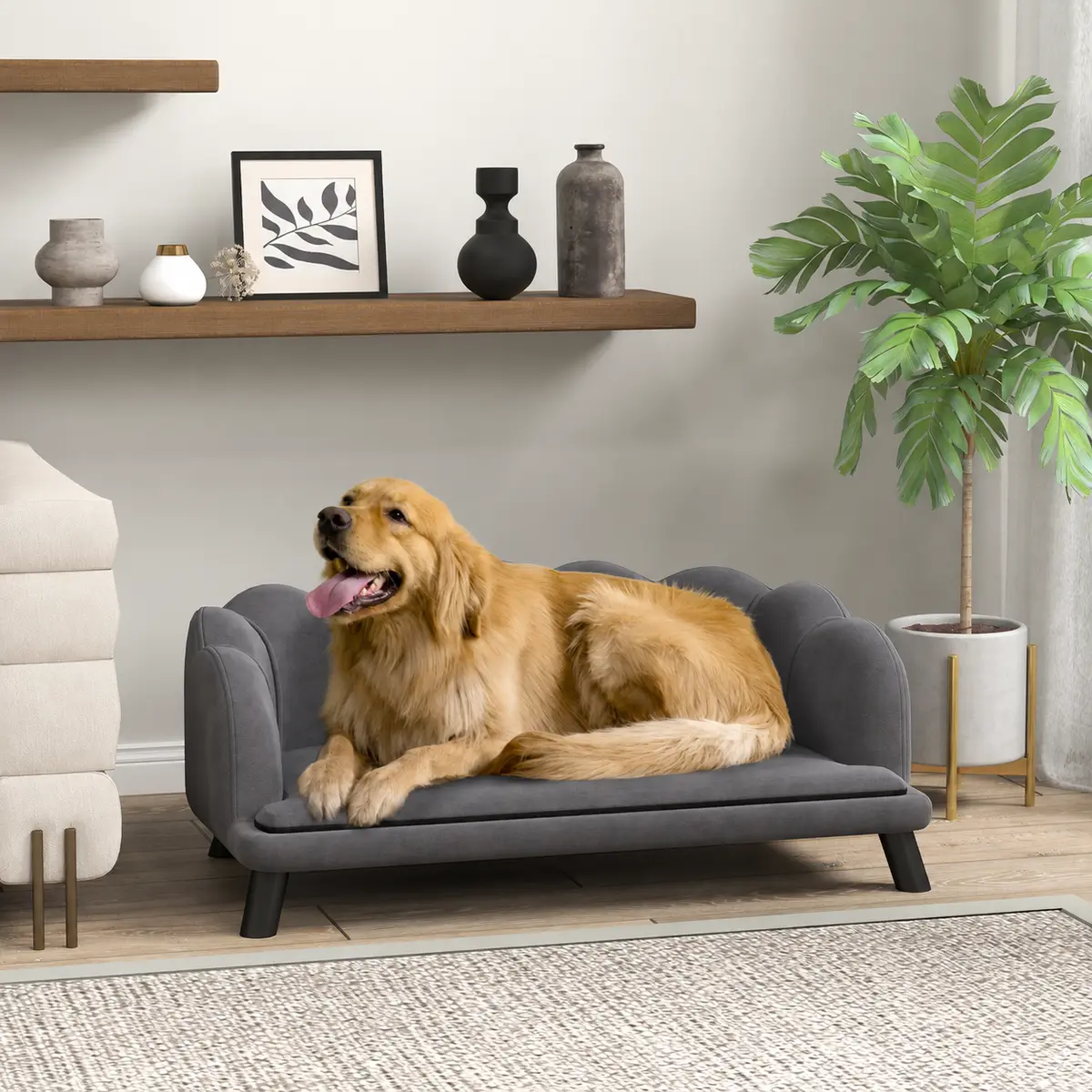
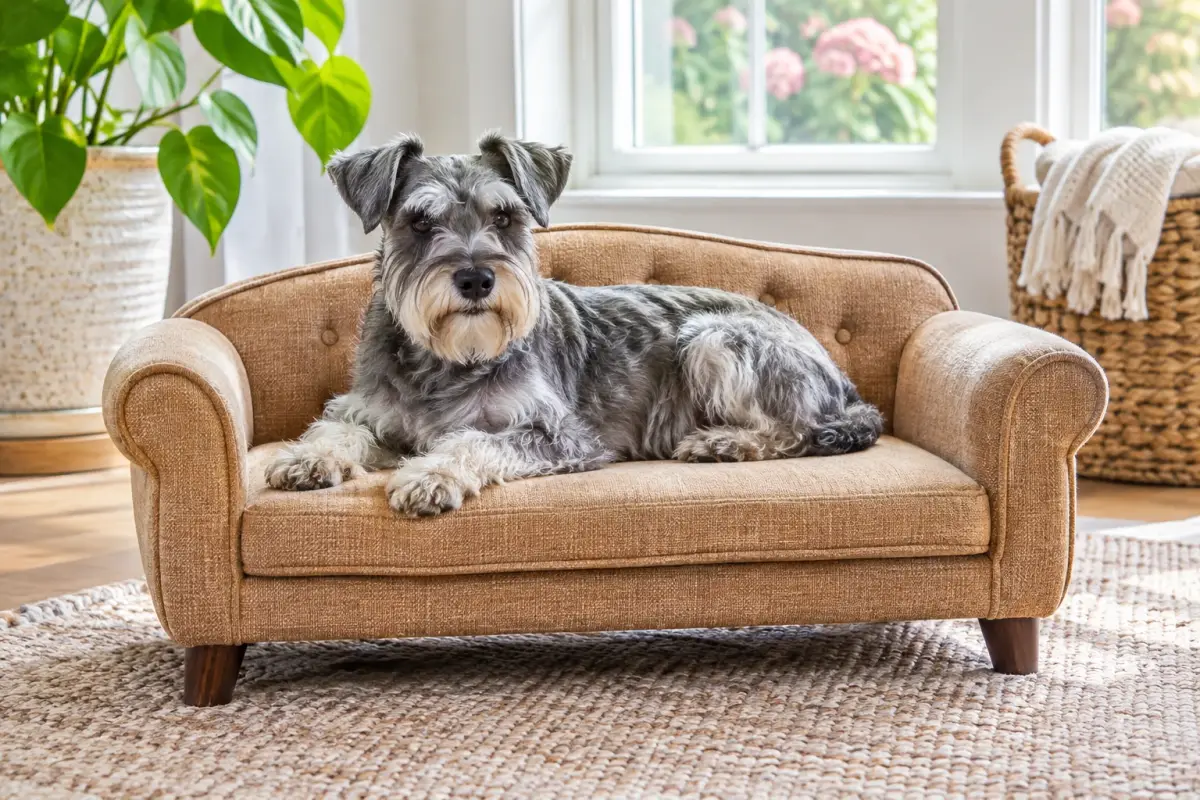
A dog couch, or sofa bed, is a raised bed with a backrest and sides, styled like a small sofa. Compared with a flat mat, it gives a dog something to lean on, lifts it off a cold floor, and looks at home in a living room. It suits dogs that like to curl against a bolster, that want to watch the household, or that have been claiming your sofa. Browse our dog sofa beds once you know your dog's size.
It is not always the right tool. A dog that sprawls flat may find the sides cramped, a very heavy dog needs a rated frame, and a dog with sore joints may struggle with a high step. If joint comfort is the main goal, our guide to the best orthopedic dog beds covers foam in depth, and our guide to dog beds compares every bed style.
Sizing: measure the dog, not the label
PetMD quotes veterinarian Dr. Robin Downing advising a bed about one-fourth longer than the dog when lying down, and roughly proportionally wider than the dog is tall, so the dog can stretch out. Measure your dog lying in its usual sleeping position, from nose to base of tail, and compare that with the bed's inner sleeping area rather than its outer footprint, because the back and sides take up room.
The AKC also says large dogs need bigger beds so they can stretch out fully. If your dog is between sizes, or sprawls on its side, size up. A couch that is too small gets ignored, and a dog that lies half off the bed gets none of the support you paid for.
Support, foam and joints
For a dog that sleeps 12 to 18 hours a day, as the AKC notes dogs do depending on age, the quality of the fill matters. The AKC says supportive beds can ease the pain of arthritis and hip dysplasia at night and during naps, and that orthopedic beds suit seniors and younger dogs alike. Orthopedic beds may use egg-crate foam or memory foam.
PetMD says a bed needs at least 2 inches of memory foam to be labeled orthopedic, and many have 4 to 7 inches, so compare thickness and quality, not just the label. It also advises overstuffed foam, since memory foam can flatten over time. If your dog limps, struggles to rise or seems stiff, see your vet. A bed supports comfort but does not treat a condition.
Height, entry and the best style for each dog
For large and giant breeds, PetMD says a bed about 1 to 2 feet off the ground fits well and eases getting in and out, but a bed that is too high, or that the dog must jump into, can strain joints. Raised sofa frames should be sturdy and not slide across the floor; a nonslip mat under the bed adds traction.
For seniors, choose a low front or a gentle step and avoid anything the dog must jump onto. For dogs that burrow or curl up, PetMD suggests a pillow-style bed with a bolster, and a bolstered couch such as a dog sofa bed fits that habit. For a small dog, a softer plush sofa mat or a lace-trimmed sofa pet bed may be plenty. See our elevated dog beds for raised cot styles.
Covers, cleaning and chewing
The AKC recommends a removable cover you can wash weekly to reduce hair, dander and germs, and a waterproof removable cover is ideal for accidents. That matters most for puppies and older dogs with incontinence. Check that the whole bed is machine washable or that the foam is protected by a waterproof liner, and look for a zipper your dog cannot chew open.
PetMD lists denim, canvas and velour as common cover fabrics. A fuzzy fabric hides dirt but collects hair, while a tightly woven fabric wipes clean faster. If your dog chews, avoid decorative trim, loose buttons and anything that can be pulled off and swallowed. Our washable dog beds are a good place to compare covers.
Storage, size of room and what to avoid
Some couches include a hidden storage compartment for toys and leashes, such as a dog couch with hidden storage. That is a real convenience in a small home, but check that the storage lid is not a chewing target and that the couch still gives enough sleeping space for your dog to stretch out.
Avoid a couch that is too tall for the dog to climb onto easily, that wobbles when the dog steps on, or that has a thin layer of stuffing over a hard base. PetMD also suggests placing several beds around the home, in family gathering areas and the dog's preferred spots, so one couch does not have to serve every room.
This page is general information, not veterinary advice, and it cannot replace an examination by the vet who knows your pet.
Common questions
What size dog couch should I buy?
Measure your dog lying down from nose to base of tail, then choose a bed whose inner sleeping area is about one-fourth longer, as PetMD's veterinary source advises. If your dog sprawls or is between sizes, size up.
Are dog couches good for older dogs?
They can be, if the entry is low and the foam is supportive. The AKC says supportive beds can ease the pain of arthritis at night and during naps. Avoid high frames that a stiff dog must jump onto, and ask your vet about joint pain.
How thick should the foam be?
PetMD says at least 2 inches of memory foam is needed to be labeled orthopedic, and many beds have 4 to 7 inches. Compare thickness and foam quality, and prefer overstuffed foam because memory foam can flatten with time.
How often should I wash a dog couch cover?
The AKC recommends a removable cover that you can wash weekly to reduce hair, dander and germs. A waterproof liner under the cover protects the foam if your dog has accidents.
Will a dog couch stop my dog getting on my sofa?
Not on its own. A comfortable bed in the right spot helps, but training and consistency matter more. See our guide on how to keep a dog off the couch for a step-by-step approach.
Sources we checked
This guide is general information, not veterinary advice. If your pet is unwell or injured, contact your veterinarian.