






Buying guides
Best Dog Shampoo and Conditioner: How to Choose a Pair
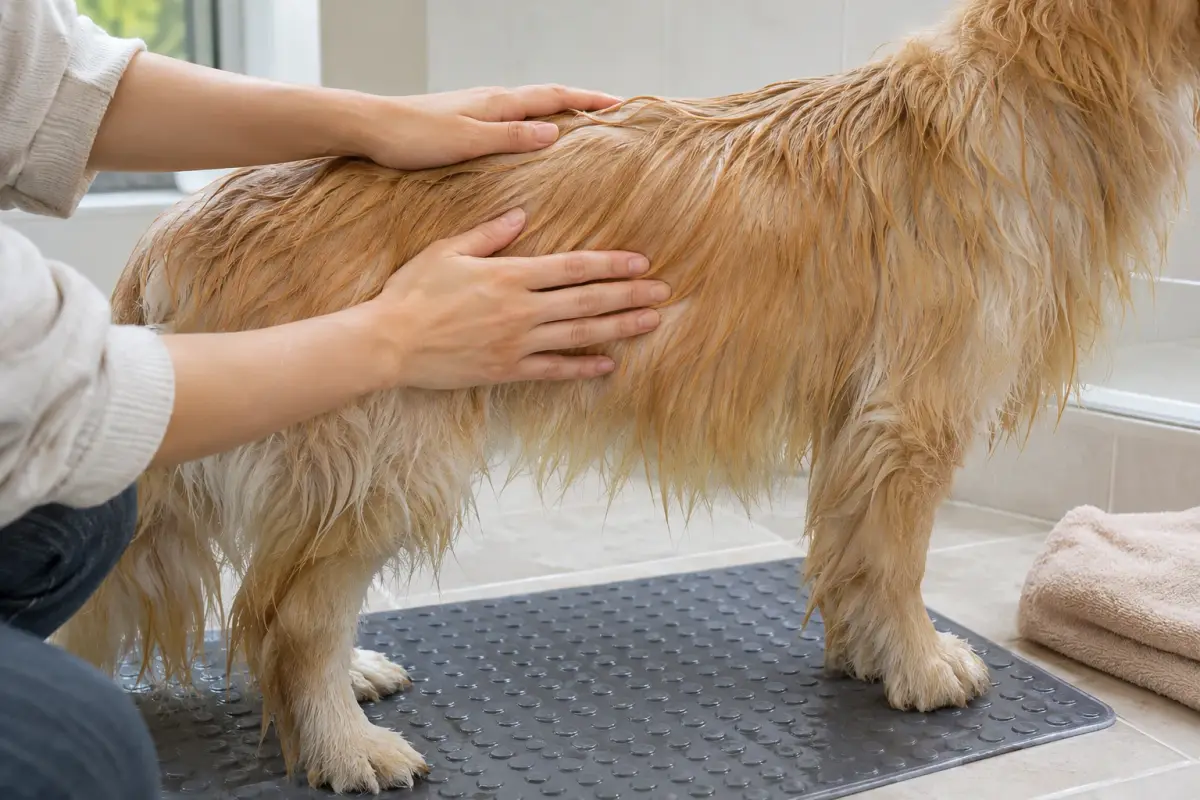
Dog conditioner earns its place on long, curly, silky and double coats that tangle, and on dry or flaky skin. VCA notes conditioner after shampoo helps restore moisture and reduce dandruff. Choose a dog-specific, fragrance-free or lightly scented formula; a rinse-out conditioner for regular baths, a leave-in or detangling spray between baths, and a 2-in-1 only for low-maintenance coats.
By Matt GarnettUpdated November 13, 20263 min read2 sources
Which dogs benefit from conditioner
Dogs with long, silky or curly coats tangle easily, and VCA notes they need daily brushing to prevent mats, especially around the ears, armpits and back legs. A conditioner smooths the hair shaft so a comb glides through, which makes daily brushing faster and less painful. Poodles, doodles, Shih Tzus, Yorkies and spaniels are typical candidates.
Short, smooth coats rarely need it. Double-coated breeds can benefit from a light conditioner during heavy shedding, because it helps loose undercoat release when you brush afterward. Dogs with dry, flaky skin may also benefit, though the cause of the dryness matters more than the product.
Rinse-out, leave-in and 2-in-1 compared
Rinse-out conditioner is applied after shampoo, left for a few minutes and rinsed thoroughly. It gives the most moisture and slip and is the standard choice for long and curly coats. Leave-in conditioners and detangling sprays are lighter, used on a dry or damp coat between baths to make brushing easier.
Two-in-one shampoo and conditioner saves a step but delivers less of both: less cleaning and less conditioning. It suits short coats that just need a little softness. For a dog with heavy grooming needs, a separate shampoo and conditioner from the same line usually performs better.
Conditioner for dry or itchy skin
Moisturizing conditioners often use colloidal oatmeal, aloe or oils, and can make dry skin more comfortable after a bath. The AKC names colloidal oatmeal and aloe among gentler shampoo ingredients. For dogs with sensitive skin, fragrance-free is the safer default, because perfumes and soaps can trigger contact irritation.
Persistent itching is a reason to see your vet rather than to keep trying products. Common causes include fleas and allergies, which a conditioner cannot fix. If your vet prescribes a medicated shampoo, ask whether and when a conditioner is compatible, because some medicated products need to sit on the skin for several minutes undiluted.
How to use conditioner properly
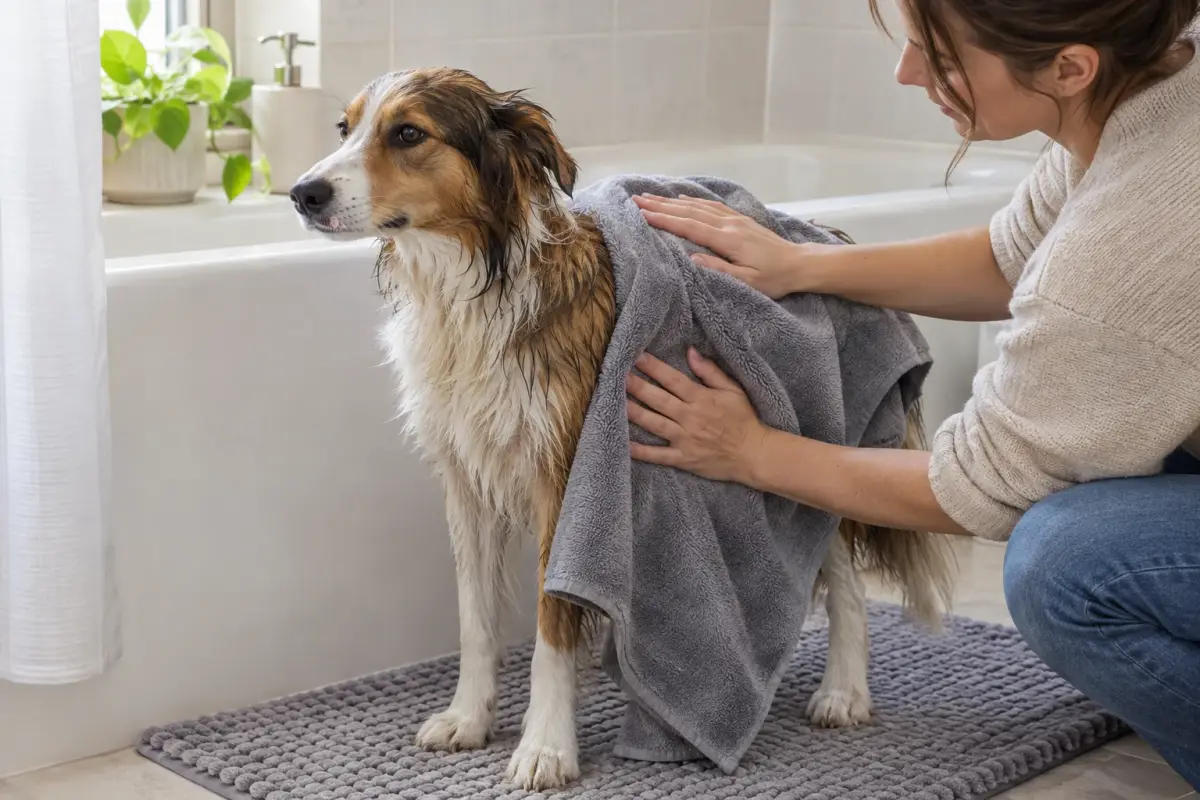
Brush out tangles before the bath, because VCA notes they become harder to remove once wet. Shampoo and rinse first, squeeze out excess water, then work conditioner through the coat from the skin outward with your fingers or a wide-tooth comb. Leave it for the time on the label, usually a few minutes.
Rinse until the water runs completely clear, because residue left on the skin can cause itching and attract dirt. Towel-dry by blotting rather than rubbing, which re-tangles long hair, and finish with a comb once the coat is dry. Store bottles closed and away from heat. If you need a new bottle, browse our dog conditioners.
What to avoid
Avoid human hair conditioner, which is formulated for a different skin pH and often heavily perfumed. Avoid heavy oils left on short coats, which make them greasy, and essential oils, some of which are toxic to pets. Avoid conditioning so often that the coat looks lank; most dogs only need it when bathed.
Avoid using conditioner to hide matting close to the skin. Tight mats need careful clipping, and VCA advises using clippers rather than scissors to remove them. If mats are extensive or the skin under them looks red or sore, see a groomer or your vet.
Common questions
Does my dog need conditioner?
Dogs with long, curly, silky or tangle-prone coats, and dogs with dry skin, benefit most. Short, smooth coats usually do not need it after every bath.
Is shampoo and conditioner in one good for dogs?
A 2-in-1 suits short, easy coats. For long or curly coats, a separate shampoo and conditioner cleans better and detangles better. Many owners keep both a 2-in-1 for quick baths and a separate pair for full grooming.
What conditioner is best for a dog with itchy skin?
A fragrance-free, moisturizing dog conditioner, often with colloidal oatmeal or aloe. If itching continues, see your vet, because fleas and allergies need treating directly. Rinse thoroughly afterward.
Can I use human conditioner on my dog?
It is better not to. Dog skin has a different pH and fewer cell layers, and human products are often heavily scented. Use a dog-specific formula.
Sources we checked
This guide is general information, not veterinary advice. If your pet is unwell or injured, contact your veterinarian.


