Buying guides
Best Dog Advent Calendar: How to Choose a Safe One
A good dog advent calendar has treats made for dogs, sized for your dog, low enough in calories that 24 days of extras do not add up to weight gain, and packaging your dog cannot get into. Toy calendars are an alternative for dogs on diets. Check the ingredients, keep the calendar well out of reach, and remember the ASPCA warns pets can smell wrapped food through packaging.
By Matt GarnettUpdated November 14, 20263 min read2 sources
Treat calendars vs toy calendars
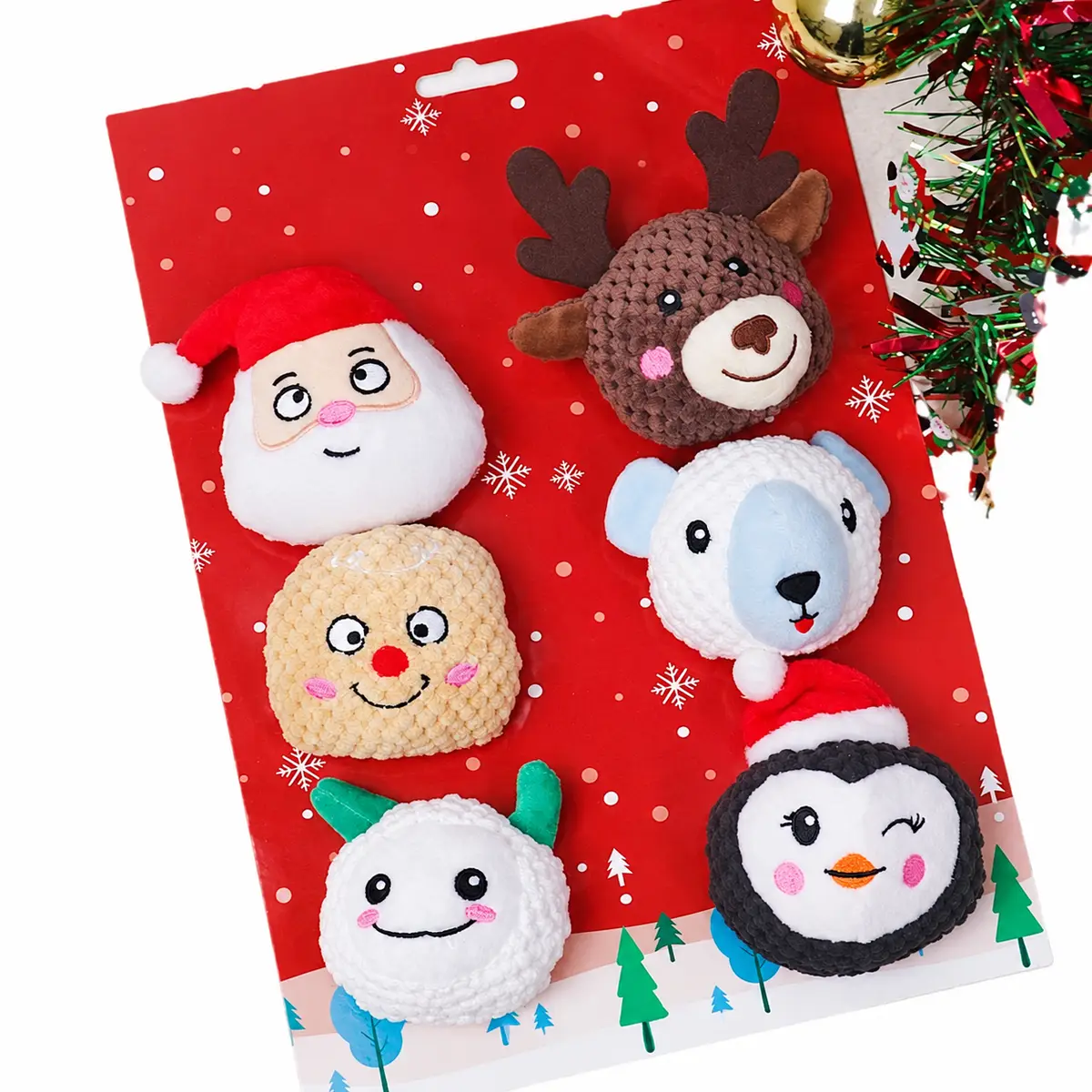
Treat advent calendars hold a small treat behind each door, usually small baked treats or soft chews. They are the most popular kind and fun for dogs that are food-motivated. Toy calendars hold small dog toys or a mix of toys and chews, which suits dogs on weight-control diets or with food sensitivities.
Some calendars mix treats with dental chews. Whatever the type, the goal is a small daily surprise, not extra meals.
Either way, check the pack size against the number of days and your dog's daily allowance before you buy.
What matters most: size, calories and ingredients
Size: treats should suit your dog's size. Tiny treats are a choking risk for big gulpers; large treats are too many calories for small dogs. VCA advises keeping treats to about 10 percent of daily calories, so for a small dog a single calendar treat can use much of that allowance.
Ingredients: choose calendars made for dogs with a full ingredient list. Avoid anything containing chocolate, xylitol, raisins or grapes, macadamia nuts, onion or garlic, all of which are toxic to dogs. If your dog has a food allergy or is on a prescription diet, check with your vet first.
Best calendar for each dog
For small dogs, a calendar with small, soft treats, or break larger treats in pieces. For large dogs, a calendar with treats big enough that they are chewed, not gulped. For dogs on diets, a toy calendar, or a treat calendar and smaller meals that day.
For dogs with sensitive stomachs, a calendar with a single protein and simple ingredients, introduced slowly. For multi-dog homes, one calendar per dog avoids squabbles.
Where to keep it
Keep the calendar high up and out of reach, not on a low table or under the tree. The ASPCA's holiday guidance warns that wrapped food and candy should be kept off the floor because pets can smell it through the wrapping, and a dog that finds a calendar may eat all 24 treats and the cardboard at once.
If your dog does eat a whole calendar, watch for vomiting, diarrhea or a painful belly, and call your vet, especially if packaging was swallowed. If chocolate or another toxic food may have been eaten, call your vet or ASPCA Animal Poison Control at (888) 426-4435; a fee may apply.
Other holiday hazards
The ASPCA lists fatty, sweet and spicy foods and turkey or chicken bones among holiday dangers, and warns that swallowed tinsel can cause severe vomiting, an obstructed digestive tract and dehydration. Keep human advent calendars, which usually hold chocolate, out of reach too.
Ornaments, wires and batteries can injure the mouth and gut. A calm, predictable routine through the holidays helps anxious dogs cope with visitors and noise.
Keep lilies, holly and mistletoe out of reach too; the ASPCA notes holly and mistletoe can upset the stomach.
Making it last
Give the day's treat from your dog advent calendar as a reward for a simple trick, which adds training to the fun. Reduce meals slightly if your dog is gaining weight over December.
Recycle the cardboard straight away rather than leaving it where a dog can chew it.
If your dog has a sensitive stomach, spread new treats out and watch for loose stools before carrying on.
This page is general information, not veterinary advice, and it cannot replace an examination by the vet who knows your pet.
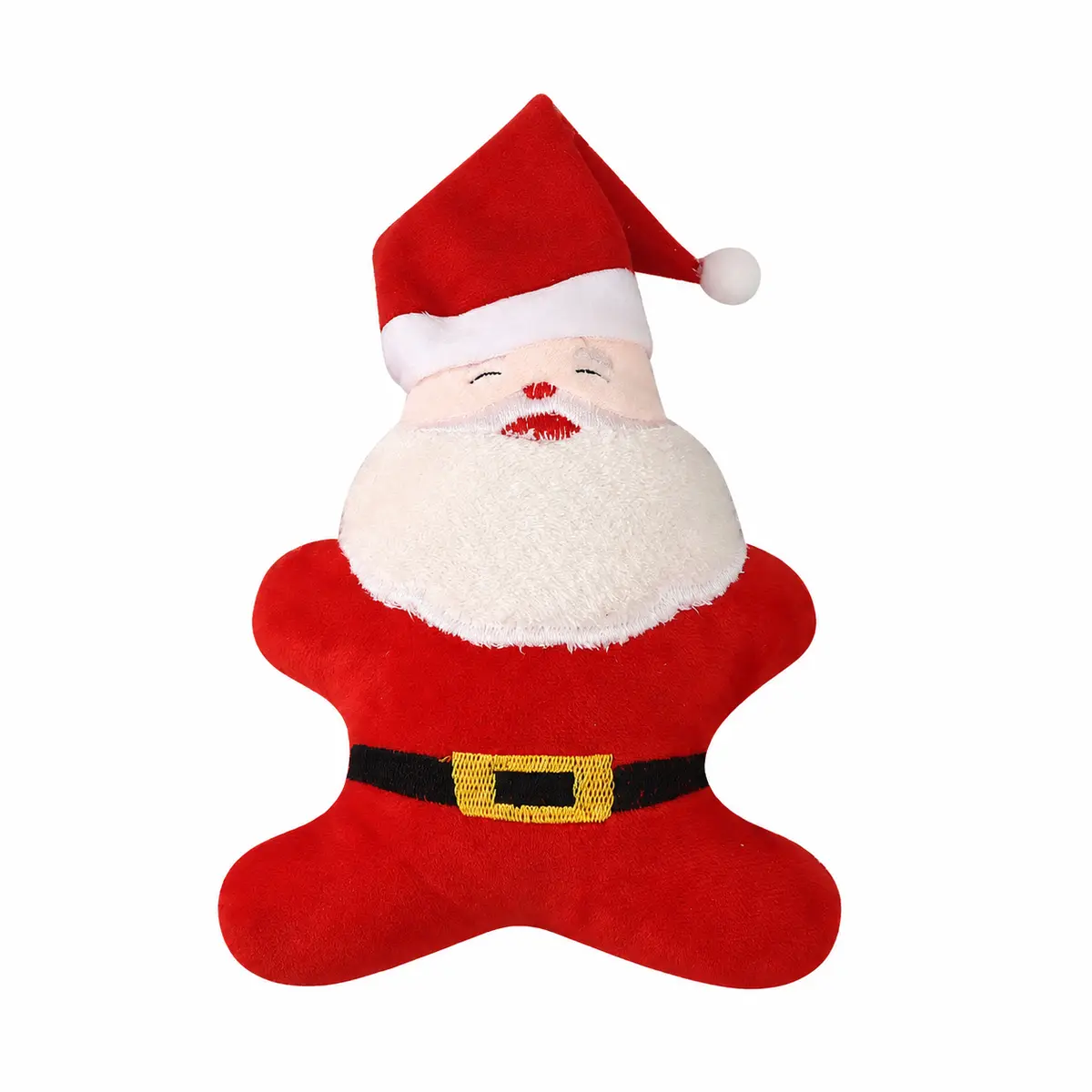
If you would rather skip the treats, a toy from our dog Christmas toys range makes a calorie-free gift for the big day.
Common questions
Are dog advent calendars safe?
Calendars made for dogs are generally safe when the treats suit your dog's size and diet and the calendar is kept out of reach. Check ingredients and avoid anything toxic to dogs.
Can my dog eat the treats every day?
Usually yes, one a day, counted as part of daily calories. VCA suggests treats stay around 10 percent of calories, so trim meals slightly for small dogs.
What if my dog eats the whole advent calendar?
Watch for vomiting, diarrhea or belly pain and call your vet, especially if packaging was swallowed or the calendar contained anything toxic. For possible poisoning, ASPCA Animal Poison Control is (888) 426-4435.
Are toy advent calendars a good alternative?
Yes, for dogs on diets or with food sensitivities. Choose toys sized so they cannot be swallowed, and supervise play with new toys. Check toys daily for damage.
Sources we checked
This guide is general information, not veterinary advice. If your pet is unwell or injured, contact your veterinarian.