Buying guides
Best Biodegradable Dog Poop Bags: What the Label Really Means
The best biodegradable dog poop bag is one that holds together until you reach the bin and makes no claim it cannot back up. According to FTC staff, most waste bags end up in landfills, where plastic does not break down anywhere near a year, and dog waste is not generally safe to compost at home. Judge bags on strength, size and honest labeling first.
By Matt GarnettUpdated November 13, 20264 min read2 sources
What matters most in a dog waste bag
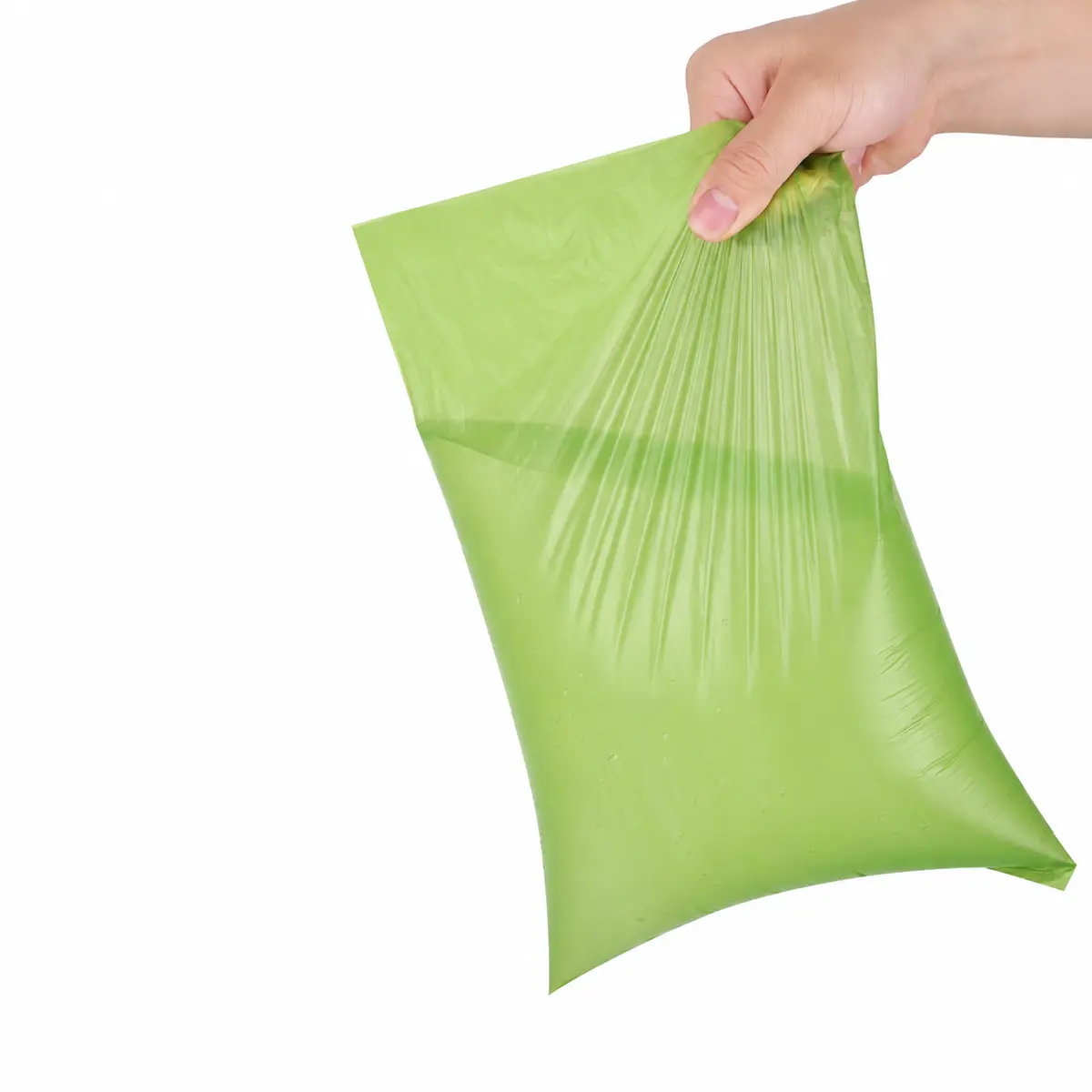
Before worrying about the environment, make sure the bag does its job. It should be thick enough not to tear when you grab a heavy pile, leak-proof at the seams, and long enough that you can tie the top without touching the contents. Browse our biodegradable poop bags with those basics in mind, and check roll size, bag count and whether a dispenser is included.
Size matters more than most people expect. A large dog needs a bigger bag than a toy breed, and a bag that is too small invites mess. If you walk in wet weather or carry bags in a pocket, a slightly thicker bag is worth having, because a bag that splits is worse than any plastic it replaces.
What biodegradable really means on a dog bag
In 2015, FTC staff sent warning letters to 20 makers and sellers of dog waste bags saying their biodegradable and compostable claims might be deceptive. Under the Green Guides, an unqualified biodegradable claim tells shoppers that the product will completely break down into its natural components within one year after customary disposal. Staff noted that most waste bags go to landfills, where no plastic biodegrades in anywhere close to one year, if it biodegrades at all.
Compostable is a separate claim. The FTC said shoppers generally read it to mean the bag will break down in a home compost pile like leaves would, but dog waste is not generally safe to compost at home and few facilities accept it. So a bag that simply says biodegradable or compostable with no further detail has not told you where it can actually break down.
Bag types compared
Standard plastic bags are the cheapest and usually the toughest. Degradable-labeled bags, such as these degradable dog poop bags, are made to break down faster under the right conditions, but because most bags go to landfill, the real-world difference may be small. A thicker bag, such as this thickened pet waste bag, trades a little more material for fewer tears.
Bags that come with a holder suit people who forget to bring one. A dog waste bag set with a dispenser keeps the roll clipped to the leash. If you want a separate holder, our poop bag dispensers cover the options, and our guide to the best dog poop bags looks at strength and size in more depth.
Best type for each situation
For city walks where you will pass a trash can within minutes, any strong bag works, so choose on thickness and size. For hikes where you carry waste for longer, a tough, leak-proof bag matters most, plus a way to clip it outside your pack. For several dogs or long walks, buy bags in larger rolls so you never run short.
If you care about the environment, the honest option is to use fewer, stronger bags and put them in the trash, rather than rely on a bag to vanish. Check your local rules for pet waste, because some areas have special instructions, and never put a bag of dog waste in a home compost pile, as the FTC notes it is generally not safe.
What to avoid
Avoid bags that make broad green claims with nothing behind them, such as biodegradable or eco-friendly with no explanation. The Green Guides say marketers should qualify general claims with specific, clear, prominent environmental benefits, and should not use seals that do not clearly convey the basis for the certification.
Be wary of seals you cannot trace to a named standard, and of a compostable claim on a dog bag with no note on where it can be composted. Thin bags that stretch and tear are the other thing to skip, since waste on your hands defeats the point of buying.
Carrying, sizing and disposal
Fold a spare bag or two into your pocket or leash holder, and double up if your dog's waste is soft or the bag is thin. Tie the bag closed before you carry it, and do not leave it on the ground to pick up later, since bags left behind are litter whatever they are made of.
Dispose of the bag in a trash bin, and carry it until you find one. If a bag lists specific disposal instructions, follow those, and if you are not sure what your local area accepts, ask your city or county waste service. Our dog poop bags collection lists everything in one place.
Common questions
Are biodegradable dog poop bags actually biodegradable?
FTC staff said most waste bags go to landfills, where no plastic biodegrades in anywhere close to one year, if at all. So the claim may mean little in practice, which is why strength and honest labeling matter more.
Can I compost compostable dog poop bags at home?
The FTC said dog waste is generally not safe to compost at home and few facilities accept it, so a compostable claim on a dog bag is generally untrue. Put bags in the trash unless local rules say otherwise.
What does the FTC say about biodegradable claims?
Under the Green Guides, an unqualified biodegradable claim implies complete breakdown within one year after customary disposal. Marketers need competent scientific evidence for it, and general claims should be qualified clearly and specifically.
How do I pick a good dog poop bag?
Look for a thick, leak-proof bag that is large enough for your dog and easy to tie. Then check whether any environmental claim is specific, and ignore seals that do not say what they certify.
Sources we checked
This guide is general information, not veterinary advice. If your pet is unwell or injured, contact your veterinarian.