







Dog Halloween costumes
Dog Halloween Costume in Spider, Wizard, Pumpkin and Other Designs
- Options
- 24 to choose from
From $13.99
Free US shipping over $49 · 30-day free returns · Happy pets, happy homes
Pet care guidesDogs
Ready for any weather.
34 items picked for everyday life with your pet, with shipping estimates on every item.
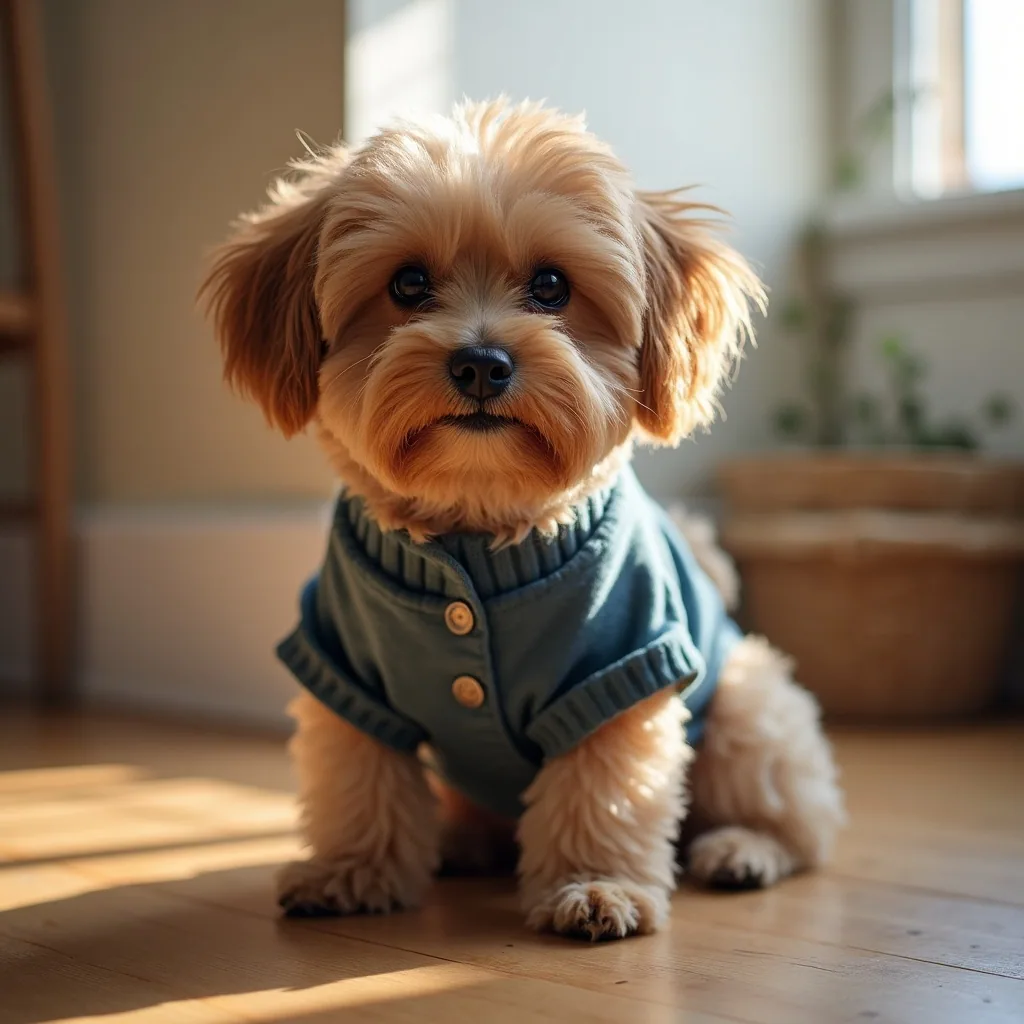 Snug, dry and looking the part.
Dog Halloween costumes
From $13.99


Dog Halloween accessories
From $20.99


Dog Christmas outfits
From $17.99


Dog Halloween costumes
From $18.99


Cat Halloween costumes
$17.99


Dog Halloween costumes
From $16.99


Funny dog costumes
From $17.99

Dog Halloween costumes
From $12.99


Dog Halloween costumes
From $15.99
A little guidance
Buying guides and care advice written for this range: what to measure, what matters and what to skip.
Our dog Halloween costumes run from spooky to silly: furry-legged and chest-and-back spider outfits, hooded and fleece dinosaurs, a glow-in-the-dark dinosaur skeleton, a hooded Halloween cape, a cowboy rider novelty costume, a nurse set with cap, and a knitted pumpkin sweater. Halloween is the peak, but costumes get worn for fall parties, photos and dress-up walks too. Below: how to size one and keep the night safe.
Spider costumes come in two shapes: a chest-and-back piece with legs that sit along the sides, and a furrier version with bouncing legs that moves as your dog walks. Both are easy to put on because they fasten around the chest rather than going over the head.
Dinosaur costumes are hooded, with spikes down the back, and the fleece version doubles as a warm layer on a cold October evening. The glow-in-the-dark skeleton is a good pick for trick-or-treat walks, the cape is the simplest option for dogs who dislike clothes, and the pumpkin sweater stays useful well past Halloween.
Measure as you would for any dog clothing. The AKC suggests measuring back length from the base of the neck to the base of the tail, chest girth around the widest part of the rib cage just behind the front legs, and neck girth where a collar sits. Compare all three to the size chart, not just weight.
If your dog falls between sizes, choose the larger one. A costume that is too tight rubs under the legs and restricts movement, while one that is too loose twists and trips. Deep-chested breeds such as greyhounds often need the size that fits their chest and then a little tailoring on length.
The ASPCA advises having your pet try on the costume before the big night, and only dressing up a pet who seems comfortable in it. A costume should not restrict movement, hearing, sight or the ability to breathe, bark and pant freely, and headpieces are the most common problem.
Look for small, dangling or chewable parts that could become a choking hazard, and remove them if your dog mouths at them. Never leave a dressed dog alone, since costumes can catch on furniture or vents. If your dog freezes, cowers, scratches at the outfit or tries to back out of it, take it off; a festive bandana works instead.
Halloween night is noisy and full of strangers in masks, which unsettles many dogs. The ASPCA suggests keeping all but the most social dogs in a quiet room during peak trick-or-treating hours. If your dog comes along, keep them on a secure lead with a reflective collar and an up-to-date ID tag.
Candy is the other risk. Chocolate and sugar-free sweets containing xylitol are toxic to dogs. If your dog gets into the candy bowl, call your vet or the ASPCA Animal Poison Control Center at (888) 426-4435 straight away; a consultation fee may apply. Keep jack-o'-lanterns with candles out of tail range too.
Introduce the costume a few days early. Let your dog sniff it, reward calm interest, then put it on for a minute with treats and take it off again. Build up the time gradually so the costume predicts good things rather than a surprise on the night.
Keep sessions short, especially in costumes with hoods or padding, which can trap heat. Plan photos for the start, when your dog is fresh and patient, and have the costume off again before your dog gets bored or warm.
| Style | Body arrangement | What to inspect |
|---|---|---|
| Spider chest-and-back | Body panels with projecting legs | Chest fastening and each attached leg |
| Furry spider | Additional furry or moving leg details | Loose parts and movement |
| Hooded dinosaur | Hood and raised back decorations | Eyes,neck and attached spikes |
| Skeleton print | A printed body garment | Fit rather than inferred glowing performance |
| Cape | A simpler hanging body panel | Neck attachment and trailing fabric |
| Pumpkin sweater | A sweater body with festive design | Neck,leg openings and hem |
They can be, if the costume fits well, does not cover the eyes, ears or mouth, has no chewable small parts and your dog is supervised. Only dress dogs who are relaxed in clothing, and skip it if your dog seems stressed.
Measure back length from the base of the neck to the base of the tail, chest girth just behind the front legs, and neck girth. Compare all three to the size chart and size up if your dog falls between sizes.
Do not force it. Try a cape or a festive bandana, which many dogs barely notice, or skip the costume entirely. A stressed dog will not enjoy Halloween however good the photos look.
Yes, if your dog is comfortable with crowds. Choose a costume that does not restrict walking, add a reflective collar or light, keep your dog on a lead and watch closely for dropped candy.