







Cats
Cat clothes
Little things. Happy cats.
53 items picked for everyday life with your pet, with shipping estimates on every item.
 A happy life, one little thing at a time.
↗Tracked US shippingEstimates on every item↶Returns & refundsHow it works♡Here to helpTalk to Giddy Pets
All cat clothes
Little essentials. Lots of love.

Dog clothes
Blue Rubber Duck Print Pajama-Style Shirt for Dogs and Cats
- Options
- 7 to choose from
From $19.99


Dog Christmas sweaters
Christmas Bear Teddy Vest for Cats and Small Dogs
- Options
- 4 to choose from
From $15.99


Cat Christmas sweaters
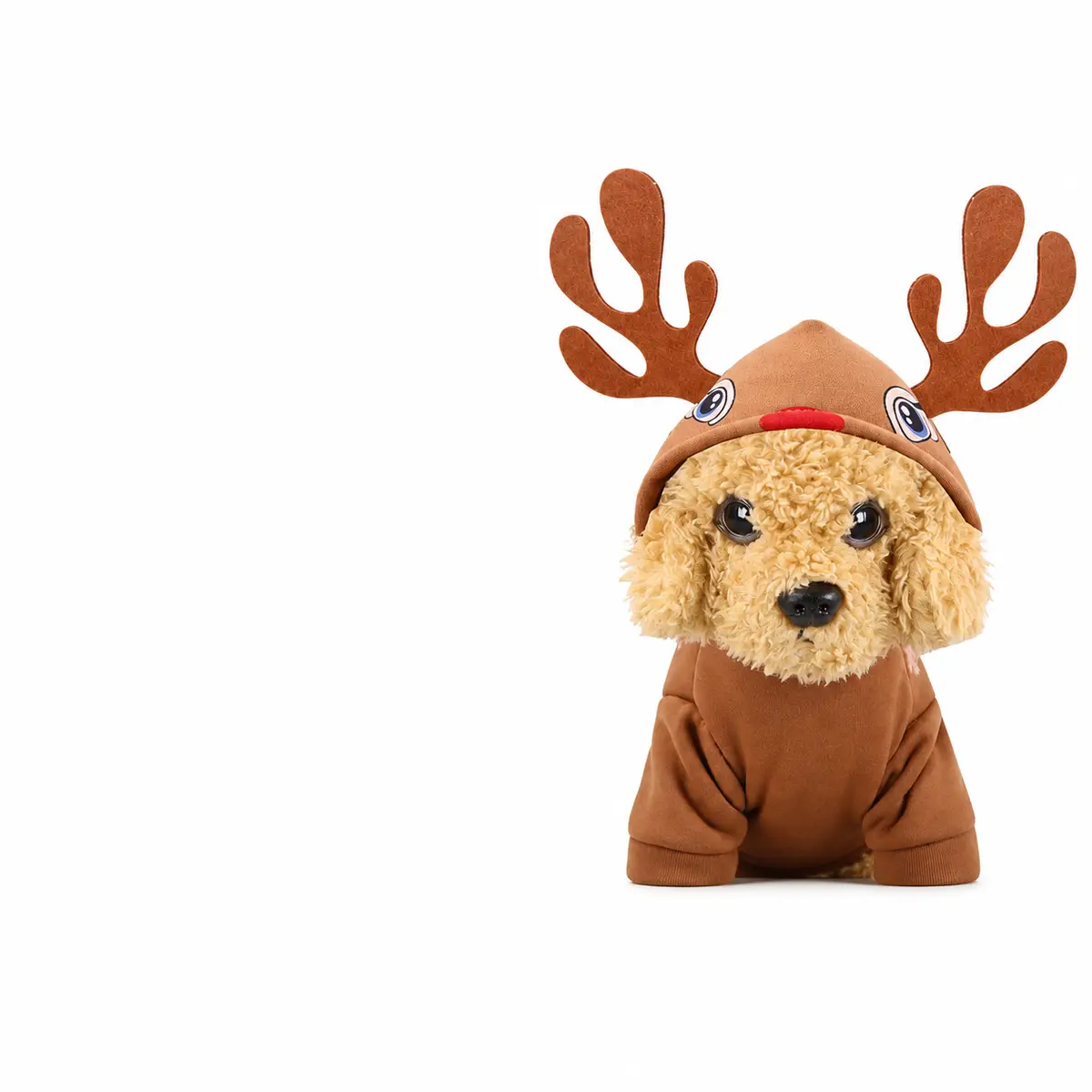
Festive Pet Outfits in Antler and Christmas Designs
- Options
- 18 to choose from
From $13.99

Dog winter coats
Padded Winter Pet Coat and Hat for Small Dogs and Cats
- Options
- 4 to choose from
From $18.99

Dog cooling vests
Triangle Summer Scarf for Dogs and Cats in Three Colors
- Options
- 9 to choose from
From $13.99


Dog Christmas sweaters
Red Reindeer Knit Christmas Sweater for Dogs and Cats
- Options
- 5 to choose from
$19.99


A little guidance
Help choosing cat clothes
Buying guides and care advice written for this range: what to measure, what matters and what to skip.
From our guides
This page gathers cat clothes, most of them made for hairless and thin-coated cats: soft fleece sweaters, striped chenille and waffle-knit sweaters, hairless cat knits, hooded padded coats and plush warm coats, plus fun shirt-and-tie and Hawaiian button-up outfits for photos. You will also find reusable pet hair removers and hair removal spray for your own clothing. It is for Sphynx owners above all, and the guide below covers fit and comfort.
Which cats need a sweater
Most cats do not need clothing. Their coat regulates temperature well, and many find clothes stressful. The exception is hairless breeds such as the Sphynx, Peterbald and Donskoy, which lose heat quickly, and thin-coated or senior cats in cold homes during winter.
Hairless cats often seek out warm spots, such as radiators and laptops, for a reason. A soft sweater helps them stay comfortable in drafty rooms or air-conditioned homes. Cats recovering from surgery sometimes wear a light garment too, but follow your vet's advice on that.
Fabrics for hairless skin
Hairless cats have sensitive skin that can be irritated by rough seams or scratchy wool. Soft fleece, chenille and fine knits are gentle choices. Choose garments with flat seams and check the inside for anything that could rub.
Sphynx skin produces oil that would normally be absorbed by fur, so their clothes get dirty quickly. Wash cat sweaters often in a mild, unscented detergent, and keep a few in rotation. Padded and plush coats are best for very cold homes, while light knits suit everyday wear.
Measuring and fit
Measure your cat's neck, chest girth just behind the front legs, and back length from the base of the neck to the base of the tail. Compare all three to the size chart. A garment should let your cat walk, jump, sit and use the litter box without pulling.
Too tight a garment restricts movement and rubs under the legs. Too loose and it can twist or catch on furniture. Check under the front legs after the first wear, which is where rubbing usually shows.
Introducing clothes to a cat
Introduce clothing slowly. Let your cat sniff the sweater, then lay it over the back briefly with a treat. Put it on for a minute or two at first, and build up the time only if your cat stays relaxed, moving and grooming normally.
Signs of stress include freezing in place, crouching, walking low or backward, hiding or trying to pull the garment off. If your cat reacts this way, take it off. Novelty outfits such as shirts and ties are best kept for short photo sessions.
Safety and hair removal
Never leave a cat unsupervised in clothing until you are sure it is comfortable and cannot catch on anything. Remove buttons, bows or decorations if your cat chews them. Take clothing off at night unless your cat is hairless and the room is cold.
The reusable pet hair removers and hair removal spray on this page solve a different problem: the cat hair on your own clothes and furniture. They work by lifting hair from fabric and are handy for anyone with a shedding cat.
Do cats need sweaters?
Most cats do not. Hairless breeds such as the Sphynx, and some thin-coated or senior cats in cold homes, benefit from a soft sweater in winter. Watch your cat's reaction and remove it if stressed.
How do I measure my cat for a sweater?
Measure neck girth, chest girth just behind the front legs, and back length from the base of the neck to the base of the tail. Compare all three to the sizing chart.
What fabric is best for Sphynx cat clothes?
Soft fleece, chenille and fine knits with flat seams are gentle on sensitive hairless skin. Wash clothing often because Sphynx skin oils transfer to the fabric.
Is it cruel to put clothes on a cat?
It depends on the cat. Clothing helps hairless cats keep warm. For cats who freeze, hide or try to pull clothes off, it is stressful and should be avoided.
Can cats wear sweaters outside?
Only if your cat is supervised, on a harness and comfortable in the garment. Clothing can snag on fences and branches, so never let a dressed cat roam. Indoors, a sweater mainly helps hairless and thin-coated cats keep warm in cool rooms.