






Care & how-to
Why Does My Cat Stare at Me?
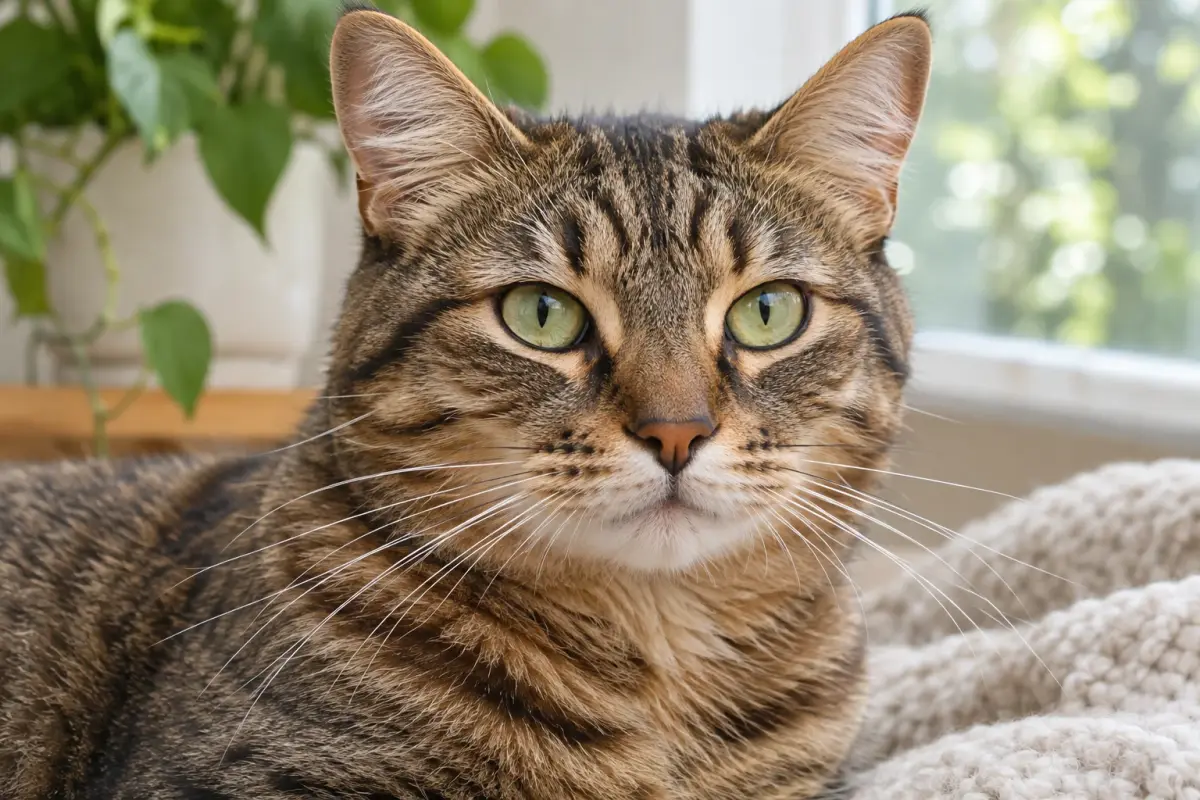
A cat usually stares at you because it wants something, such as food or attention, because it is watching what you do, or because it feels safe and affectionate with you. A soft gaze with slow blinks is a friendly signal. A hard, unblinking stare with a stiff body, flicking tail or flattened ears is a warning to give the cat space.
By Matt GarnettUpdated November 14, 20264 min read3 sources
The soft stare and the slow blink
If your cat gazes at you with relaxed eyelids, then closes its eyes slowly and opens them again, you are getting what VCA calls the slow blink. VCA describes it as non-verbal communication that signals relaxation, trust and affection, similar to how cats show each other they mean no harm. Cats usually do it with relaxed, normal-sized pupils and a loose body.
There is research behind this. A 2020 study in Scientific Reports by Humphrey and colleagues found that cats narrowed their eyes and half-blinked more when their owners slow-blinked at them, and were more likely to approach an unfamiliar person who slow-blinked than one with a neutral face. Try it yourself: look at your cat softly, blink slowly, and see if they blink back.
Staring because they want something
The most common stare in many homes is the one that means feed me. Cats learn fast, and if staring at you from the kitchen counter at six o'clock tends to be followed by dinner, they will keep doing it. The same goes for staring at a door they want opened, a bed they want to share, or a toy they want you to move.
Your cat may also stare simply because you are interesting. You are the most active thing in the room, and cats are watchful hunters by nature. Many cats follow their people from room to room and sit quietly watching, which is usually a sign of a strong bond rather than anything to worry about.
If the stare usually means "play with me," a short session with a wand toy before meals or bedtime can meet that need on your schedule.
When a stare is a warning
Among cats, a direct, fixed stare can be a challenge. VCA notes that cats can be very subtle, sometimes using only a stare or a change in ear position to signal concern. Cornell describes an aggressive cat as having dilated pupils, ears flattened backward and a stiff, upright tail, while a frightened cat may have dilated pupils, ears flattened out sideways and whiskers pressed back.
A cat that stares hard with its ears forward and the tail flicking rapidly may be about to pounce or lash out. If you see this, look away, keep still or move slowly away, and do not reach toward the cat. Staring back can make a tense cat feel more threatened.
Should you stare back?
Avoid long, direct staring at your cat. VCA advises that staring can feel confrontational to a cat, and an intimidated cat will not slow blink back. Instead, soften your eyes, blink slowly, then look slightly away. That tells your cat you are not a threat, and many cats respond by relaxing or coming closer.
With an unfamiliar or nervous cat, especially at a friend's house or a shelter, avoid eye contact at first and let the cat approach in its own time. Offering a slow blink from a distance is often more welcome than a hand stretched out toward the face.
When staring could mean a health problem
Staring itself is rarely a medical sign, but a few changes are worth noting. A cat that stares at walls, seems lost in familiar rooms, or yowls at night may be showing age-related cognitive changes, which are common in older cats. Sudden dilated pupils in normal light, bumping into things, or cloudy or red eyes can mean a vision problem or high pressure in the eye.
Contact your vet if your cat's eyes look different, if one pupil is larger than the other, or if staring comes with confusion, hiding, a change in appetite or a head tilt. Sudden blindness or a painful eye needs to be seen the same day.
This page is general information, not veterinary advice, and it cannot replace an examination by the vet who knows your pet.
Common questions
Why does my cat stare at me while I sleep?
Often because you are their safe place and they are keeping you company, or because they are waiting for breakfast. Cats are most active at dawn, so a cat sitting by your face early in the morning usually wants food or attention.
What does it mean when a cat slow blinks at you?
A slow blink is a friendly, relaxed signal often described as a cat smile. Research suggests cats use it in positive interactions with people. Blinking slowly back is a good way to tell your cat you are not a threat.
Is it bad to stare at a cat?
A long, hard stare can feel threatening to a cat, especially one that is nervous or does not know you. Soft eyes, slow blinks and looking slightly away feel much friendlier and help a cat relax around you.
Why does my cat stare at the wall?
Cats may be listening to sounds you cannot hear, such as insects or pipes, or watching tiny movements. If an older cat often stares blankly, seems confused or has other changes, ask your vet to check for cognitive or vision problems.
Sources we checked
This guide is general information, not veterinary advice. If your pet is unwell or injured, contact your veterinarian.