






Care & how-to
Why Do Cats Sleep So Much?
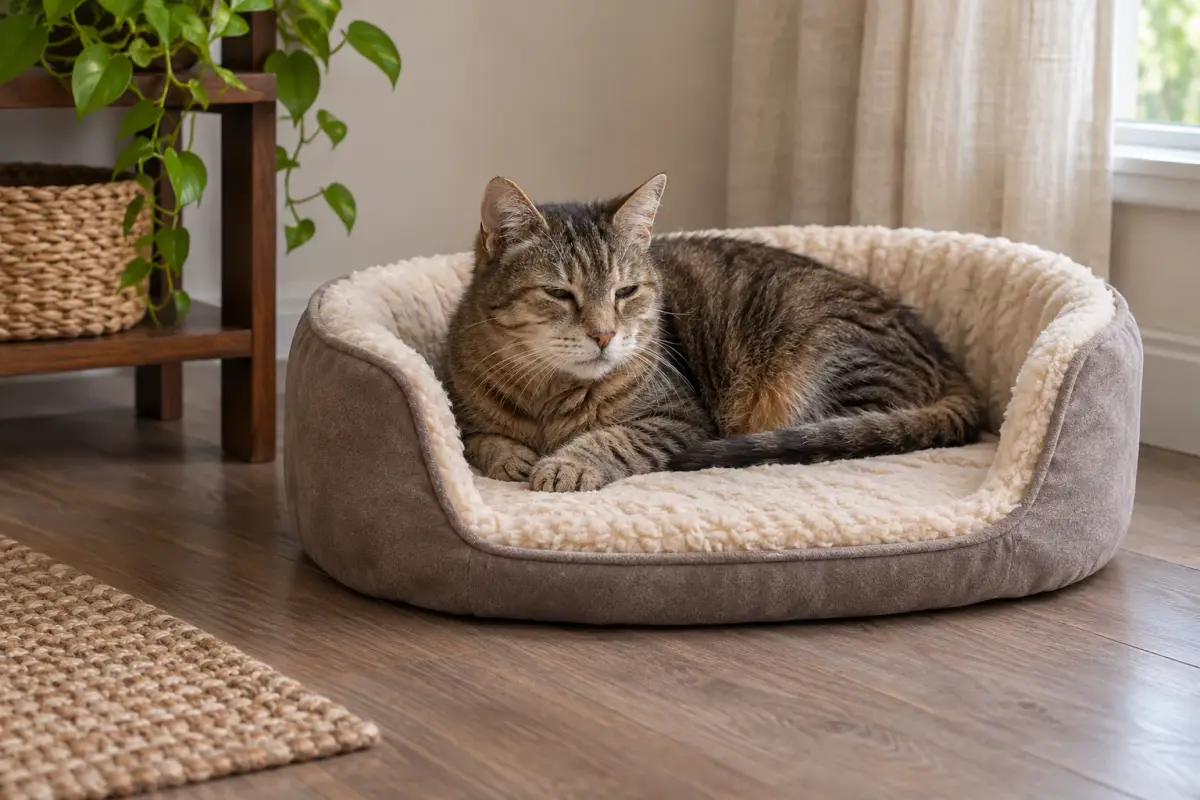
Cats sleep a lot because they are built to save energy for short, intense bursts of hunting. VCA says cats commonly sleep 12 to 16 hours a day, in many short naps rather than one long stretch, and kittens and seniors often sleep even more. What matters is not the total but a change: sleep that replaces meals or play, or comes with other symptoms, needs a vet.
By Matt GarnettUpdated November 14, 20264 min read3 sources
Built to nap
Cats are predators that hunt by stalking and pouncing, which uses a lot of energy in a short time. Their wild relatives spend most of the day resting and wake to hunt, and house cats keep the same rhythm even when dinner arrives in a bowl. Much of that time is light dozing, when the ears still swivel toward sounds and the cat can be up in a second.
Cats are not truly nocturnal. VCA describes them as crepuscular, most active at dawn and dusk, when their prey is most active. That is why many cats nap through the afternoon, then race around in the early morning or evening and wake their owners at sunrise.
How age and lifestyle change sleep
Kittens sleep a great deal, often in sudden collapses after bursts of play, because they are growing fast. Healthy adult cats settle into a pattern that often fits around their household, sleeping more while people are out at work, VCA notes, and being more alert when the family is home.
Senior cats usually sleep more and play less, and that is normal up to a point. Indoor cats with little to do may also sleep out of boredom. More daily play, window perches and puzzle feeders can give an under-stimulated cat more to stay awake for, and often reduce nighttime mischief too.
Where cats choose to sleep
Cats pick sleeping spots carefully. VCA explains that lone hunters have no pack to keep watch, so small enclosed spaces such as boxes, drawers and baskets feel safe, and high perches let a cat rest out of reach while watching the room. Warm spots, like sunbeams, laundry and laptops, are popular because cats like heat.
Many cats rotate between favorite places through the day and the seasons. Give your cat a few options: a covered bed or box for privacy, a raised perch, and a soft spot near you. A cat that suddenly stops using high places may be stiff or sore, which is worth noting.
When sleeping too much is a concern
VCA suggests asking a few questions rather than counting hours. Is your cat sleeping at different times from usual? Do they still wake for familiar triggers, such as the treat bag or the can opener? Are they skipping meals or play to sleep? Do they seem groggy or listless when awake? Is the change happening alongside vomiting, coughing, hair loss or other symptoms?
Cats hide illness well, and sleeping more is sometimes the only sign of pain, fever, arthritis, kidney disease or other problems. Call your vet if your cat is sleeping noticeably more, is hard to rouse, has stopped eating, is hiding, or seems weak. Get immediate care for a cat that is limp, unresponsive or breathing with effort.
When cats sleep less than usual
A cat that suddenly sleeps much less, paces at night, meows constantly or seems restless can also be unwell. In older cats, hyperthyroidism often causes restlessness, increased appetite and weight loss, and cognitive changes can disrupt the sleep cycle, leading to nighttime yowling and confusion.
If your cat's sleep pattern has shifted either way and you cannot explain it, keep a simple diary for a few days and book a checkup. Regular exams, twice a year for seniors, help catch the slow-developing conditions that tend to show up first as a change in routine.
This page is general information, not veterinary advice, and it cannot replace an examination by the vet who knows your pet.
Common questions
How many hours a day do cats sleep?
VCA puts typical sleep at 12 to 16 hours a day, broken into many naps. Kittens and senior cats often sleep more. Daily totals vary a lot, so a change in pattern matters more than the exact number.
Is my cat sleeping too much?
It may be if your cat is skipping meals or play to sleep, is hard to wake, seems groggy when up, or has other symptoms such as vomiting or weight loss. A sudden change in sleep habits is worth a call to your vet.
Why does my cat sleep all day and play all night?
Cats are most active at dawn and dusk, and many rest while you are out and wake when the house is quiet. Daytime and evening play sessions, plus a meal before bed, can shift some of that energy to more convenient hours.
Why does my cat sleep on me?
You are warm, familiar and safe, which are exactly what cats look for in a resting spot. Sleeping on or beside you is a sign of trust and comfort. Some cats also enjoy the scent and steady breathing of their person.
Sources we checked
This guide is general information, not veterinary advice. If your pet is unwell or injured, contact your veterinarian.