






Breeds
Jack Russell vs Rat Terrier
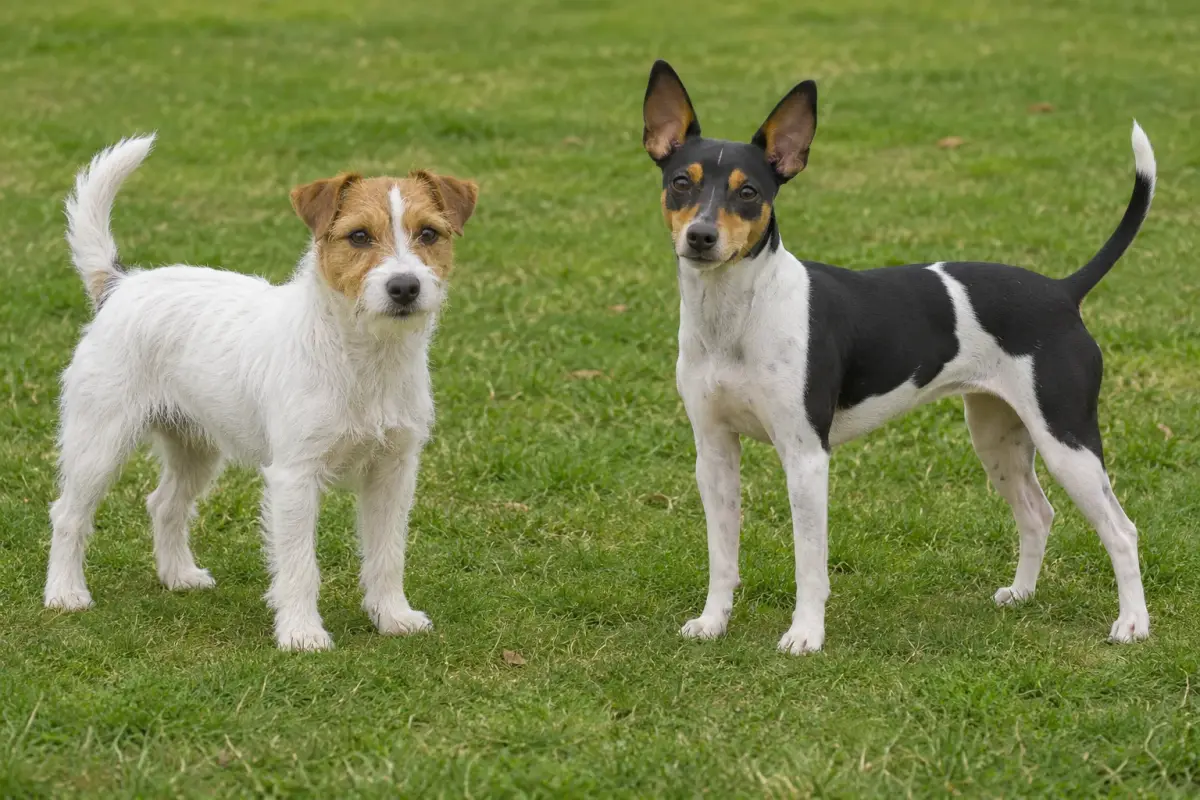
Jack Russell and Rat Terriers are both active, compact dogs with hunting backgrounds, but their size guides and coat options differ. The Jack Russell can have a smooth, rough, or broken coat; the Rat Terrier has a short, smooth coat and two size varieties. Choose by the individual’s activity, behavior, and care needs rather than assuming either is an easy companion because it is small.
By Matt GarnettUpdated November 14, 20263 min read4 sources
Compare size and understand the names
VCA’s Jack Russell guide lists 9–15 pounds and 10–12 inches tall. AKC lists Rat Terriers at 10–25 pounds, with miniature dogs 10–13 inches tall and standard dogs 13–18 inches. These broad guides overlap; meet the actual adult when size affects your decision.
The Jack Russell name also needs clarification. VCA distinguishes it from the AKC-recognized Parson Russell and Russell Terriers. Ask which dog or registry a listing refers to rather than borrowing another breed’s measurements. Here, Jack Russell means the dog described in VCA’s Jack Russell profile, while Rat Terrier refers to the breed described by AKC.
Plan for an active companion rather than a small ornament
VCA describes the Jack Russell as energetic, determined, and inclined to chase and dig. Its Rat Terrier profile also describes an active, playful dog that benefits from games and mental activity. A compact body does not remove the need for attention, movement, and engagement throughout ordinary life.
Before meeting either dog, describe your real routine to the caregiver. Ask how the dog behaves after a walk, during quiet household time, and when the usual activities change. Find out what it enjoys and what it finds difficult. A familiar account of the individual’s day is more useful than deciding that one terrier will always be the calmer choice.
Both breeds need an outlet for chasing and problem-solving, so a few dog balls and puzzle toys earn their place.
Ask about training and other animals
VCA notes that Rat Terriers learn quickly but can become bored or distracted; it recommends reward-based training with games or food. The Jack Russell profile emphasizes engaging, consistent teaching. Choose activities the dog can understand and succeed at, and arrange qualified help when handling or behavior concerns exceed your experience.
Both dogs’ hunting backgrounds deserve attention if you have smaller animals. Ask specifically about the individual’s history around your pets; friendliness toward people does not establish compatibility with a hamster or rabbit. Discuss safe management before bringing a dog home. Do not make introductions simply to test a breed’s reputation, and seek professional guidance when the likely fit is uncertain.
Match grooming expectations to the actual coat
A Rat Terrier has a short, smooth coat; VCA describes weekly brushing to remove dead hair and notes that shedding still occurs. Jack Russells have several coat types, and VCA notes that rough or broken coats can need additional grooming. Ask the caregiver or groomer to show you the routine for the individual.
Think beyond whether a coat looks tidy in a photograph. Ask how the dog accepts brushing and routine care, which tasks you can manage, and when professional help is useful. If you strongly prefer a smooth coat, confirm the actual dog’s coat rather than expecting every Jack Russell to have the same texture or care requirements.
Choose with lifespan, records, and household fit in mind
VCA’s Jack Russell lifespan guide is 13–15 years; AKC’s Rat Terrier guide is 12–18 years. These are broad breed descriptions, not promises or proof that one individual will outlive another. Review available medical records with your veterinarian and ask what ongoing care the particular dog may need.
A Jack Russell may suit someone who enjoys an energetic terrier and can support its activity and coat needs. A Rat Terrier may appeal when its size variety and smooth coat fit your plans. In either case, consider the dog’s observed behavior, your other pets, available time, and practical support. Choose a sustainable daily relationship rather than a winner on a comparison chart.
This page is general information, not veterinary advice, and it cannot replace an examination by the vet who knows your pet.
Common questions
Are Jack Russell and Parson Russell Terriers interchangeable names?
Do not assume so. VCA distinguishes Jack Russells from the AKC-recognized Parson Russell and Russell Terriers. Ask exactly which dog a listing describes before applying a size or care guide.
Which is bigger, a Jack Russell or Rat Terrier?
The ranges overlap. VCA lists Jack Russells at 9–15 pounds; AKC lists Rat Terriers at 10–25 pounds with two height varieties. The actual adult’s measurements matter more than a single comparison.
Is either terrier an automatic match for small pets?
No breed description establishes that. Both have hunting backgrounds, and VCA flags small-animal concerns. Discuss your existing pets, the individual dog’s history, and safe management with qualified help before deciding.
Sources we checked
This guide is general information, not veterinary advice. If your pet is unwell or injured, contact your veterinarian.