






Buying guides
Best Hamster Bedding: What Is Safe and What to Avoid
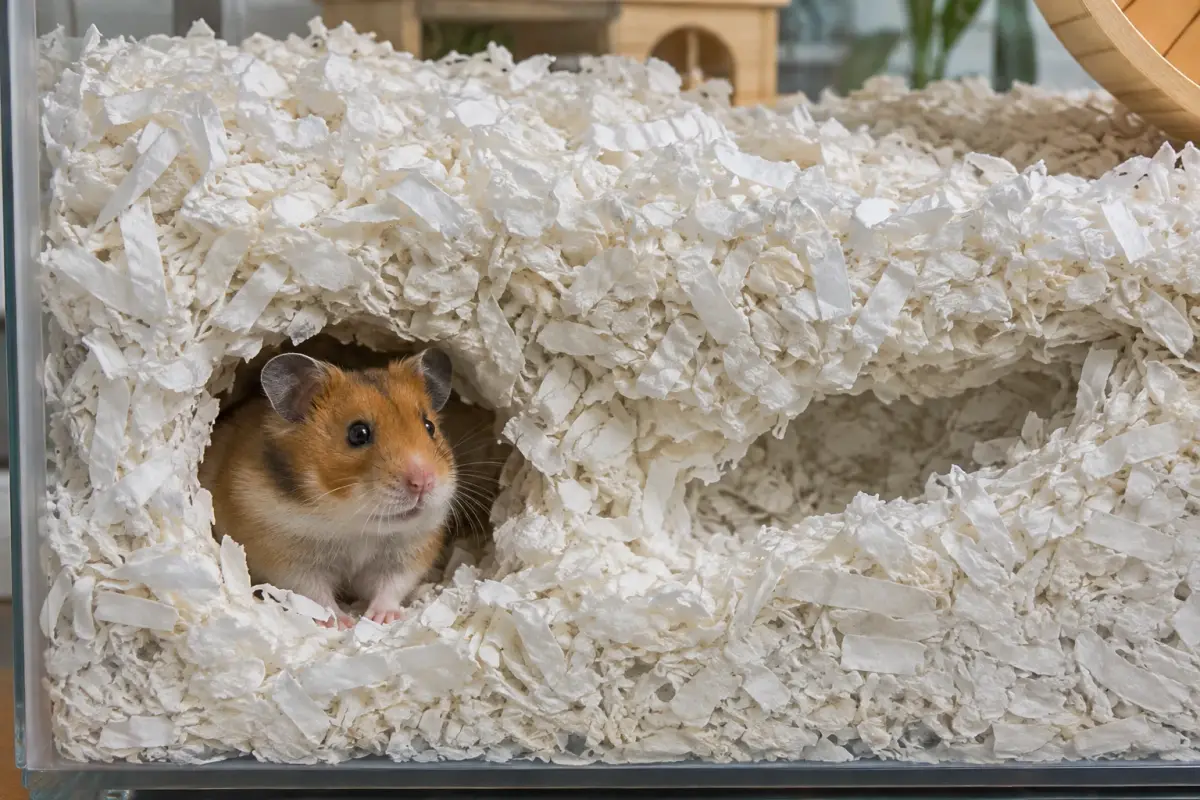
The best hamster bedding is a soft, low-dust, unscented paper bedding, piled deep enough for your hamster to burrow, with plain nesting material on top. Avoid cedar shavings, scented bedding and fluffy cotton-style nesting fluff. Hamsters dig naturally, so depth and safety matter more than brand or color.
By Matt GarnettUpdated November 13, 20263 min read2 sources
What matters most in hamster bedding
Safety for the airways comes first. VCA's guidance on housing rodents names commercially available paper bedding, shredded paper and recycled paper as preferred choices, and warns that cedar shavings are the least desirable wood bedding because their aromatic oils often irritate the respiratory tract. A small animal breathes its bedding all day, so low dust and no added fragrance matter.
Absorbency and burrowing come next. Hamsters are burrowing animals and are happiest with hamster bedding deep enough to tunnel in. Paper bedding holds tunnels well when packed and absorbs urine. VCA also notes that wood shavings can cause problems if eaten, so paper-based materials are the safer default.
Bedding types compared
Paper bedding, sold as soft loose fluff or pellets, is low-dust, absorbent and safe if nibbled, making it the default for most hamsters. Aspen shavings are a hardwood without the aromatic oils of cedar and are used by many owners, but they are dustier than paper and less absorbent. Cedar and untreated pine shavings carry aromatic oils and are best avoided.
Hemp and other plant fiber beddings are absorbent and low in dust, though they hold burrows less well alone. Corn cob is hard and can harbor mold when wet. Cotton-style nesting fluff can tangle around limbs and is risky if eaten; plain unscented toilet paper or paper strips make safer nesting material.
How deep, and setting up the enclosure

Many hamster keepers aim for at least 6 inches of bedding across part of the enclosure, and deeper is better for Syrian hamsters, which burrow enthusiastically. Packing the bedding down helps tunnels hold. The enclosure must have a deep enough base to contain it; VCA notes a minimum of a 10-gallon tank for a hamster-sized rodent, though larger is kinder.
Add a hide box, a solid-surface wheel, chew items and a sand bath area. Mix in a little hay or plain paper strips for nesting. Hamsters often store food in their nest, so expect a hoard when you clean.
Cleaning schedule
Spot-clean the toilet corner and remove wet bedding every day or two, because damp bedding grows bacteria and smells. A full bedding change is usually needed every one to two weeks for smaller enclosures, less often in large ones with deep bedding where you can spot-clean well.
When you do a full clean, keep a handful of clean old nesting material and put it back, which helps your hamster feel at home. Avoid strong-smelling disinfectants; wash with mild soap and rinse well.
What to avoid, and when to call a vet
Avoid cedar shavings, scented or colored bedding, cat litter, cotton fluff nesting material, and newspaper with heavy ink. Avoid bedding so shallow that your hamster cannot burrow, which causes stress and bar chewing.
Sneezing, wheezing, discharge from the nose or eyes, a wet tail or lethargy can be signs of illness, sometimes linked to dusty or dirty bedding. Hamsters hide illness, so contact a vet experienced with small mammals promptly if you notice them.
If you are unsure whether a new hamster bedding suits your hamster, introduce it in one corner of the enclosure first and watch for sneezing or a change in behavior over a few days. Keep the old bedding elsewhere in the enclosure until you are confident, and switch completely only once your hamster has settled in and is using it normally.
Common questions
What is the safest bedding for hamsters?
Unscented, low-dust paper bedding is the safest everyday choice. It absorbs well, holds burrows and is safe if nibbled. Plain paper strips or toilet paper work for nesting.
Is pine or cedar bedding safe for hamsters?
Cedar is best avoided because its aromatic oils can irritate the airways. Untreated pine has similar concerns. Aspen is a safer wood choice, but paper is better still.
How deep should hamster bedding be?
Many keepers aim for at least 6 inches across part of the enclosure, deeper for Syrian hamsters, so your hamster can dig and build tunnels as it would naturally.
How often should I change hamster bedding?
Spot-clean wet areas every day or two and do a full change every one to two weeks, keeping a little old nesting material to help your hamster settle.
Sources we checked
This guide is general information, not veterinary advice. If your pet is unwell or injured, contact your veterinarian.


