






Buying guides
Best Dog Shampoo: How to Choose One for Your Dog's Coat and Skin
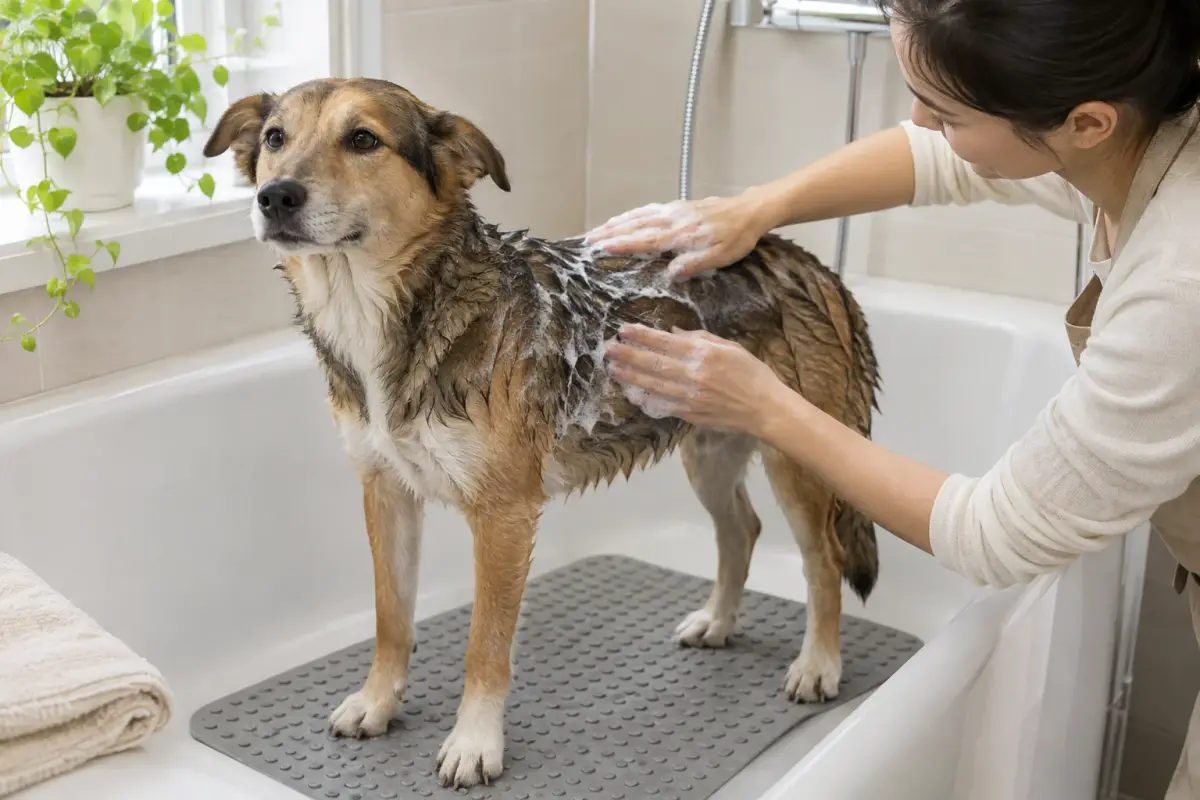
A good dog shampoo is pH-balanced for dogs, soap-free, and matched to your dog's coat and skin. Those three points matter more than scent, foam or the word natural on the bottle. Dog skin sits closer to neutral than human skin, so a dog-specific formula cleans without stripping oils, and the coat type then decides whether you want a deep-cleaning, moisturizing or gentle formula.
By Matt GarnettUpdated November 14, 20264 min read2 sources
What matters most: pH and a soap-free base
The AKC gives human skin a pH of about 5.5 to 5.6 and dog skin about 6.2 to 7.4, closer to neutral. Products made for people are formulated for that more acidic skin and can leave a dog dry and itchy, which is why the AKC advises using a dog-specific shampoo rather than your own. You can browse dog shampoo by coat and skin type.
Soap matters too. Traditional soap is alkaline and can strip the oils that keep a coat waterproof and shiny. Look for a label that says soap-free or tear-free and pH-balanced for dogs, and for a formula that rinses out fully, since residue left in a thick coat is a common cause of flaking after bath day.
The main types compared
General cleansing shampoos suit healthy dogs with normal coats. Moisturizing formulas, often with oatmeal, aloe vera or coconut oil, suit dry or sensitive skin, like this natural oatmeal shampoo with coconut and chamomile; the AKC lists these as common skin-care ingredients. Deshedding shampoos help loosen undercoat in double-coated breeds, and whitening or brightening formulas are made for light coats that discolor.
Medicated shampoos, including those for skin infections, are different: the AKC says to use them only as your veterinarian directs. Flea shampoos are pesticides regulated in their own right and are not covered by this guide. If your dog scratches constantly or has red, scaly or smelly skin, that is a vet visit, not a shampoo choice.
Natural and organic dog shampoo: what the labels mean
Natural has no single legal definition on pet grooming products, so treat it as marketing until you have read the ingredient list. A plant-based surfactant, no artificial dyes and a short ingredient list are reasonable signs; a long list with fragrance near the top is not, whatever the front label says.
Essential oils deserve care. Some, such as tea tree oil, can be harmful to pets in concentrated form, and a dog licks what is left on its coat. For sensitive skin, the AKC suggests avoiding artificial fragrances, dyes and parabens, which can trigger reactions in some dogs. Unscented is the safest starting point.
Best type for each dog
For a puppy, choose a mild, tear-free puppy formula. For a double-coated breed such as a golden retriever or husky, the AKC notes these coats benefit from shampoos that reach the undercoat and lift trapped dirt, so pick a cleansing or deshedding formula and plan a long rinse. For single-coated, short-haired breeds, a gentle formula used less often is enough.
For curly or long coats that tangle, pair shampoo with a conditioner, for example a moisturizing detangling pet coat conditioner, or choose a two-in-one, since wet curls mat easily. For a dog that rolls in everything, a deodorizing cleansing shampoo beats perfumed products that only cover the smell. For a senior dog with thinner skin, choose moisturizing and fragrance-free.
What to avoid
Avoid human shampoo, dish soap and baby shampoo as a routine choice; they are built for a different skin pH. Avoid heavy perfume, artificial colors and products that do not list their ingredients. Avoid any shampoo with essential oils high on the list for cats in the same house, as cats are more sensitive to some oils than dogs.
Avoid bathing too often. There is no fixed schedule, and the AKC says it depends on coat type, activity and skin condition. For most dogs, every four to eight weeks is plenty unless they get dirty; more often can dry the skin, whatever shampoo you use.
How to bathe so the shampoo works
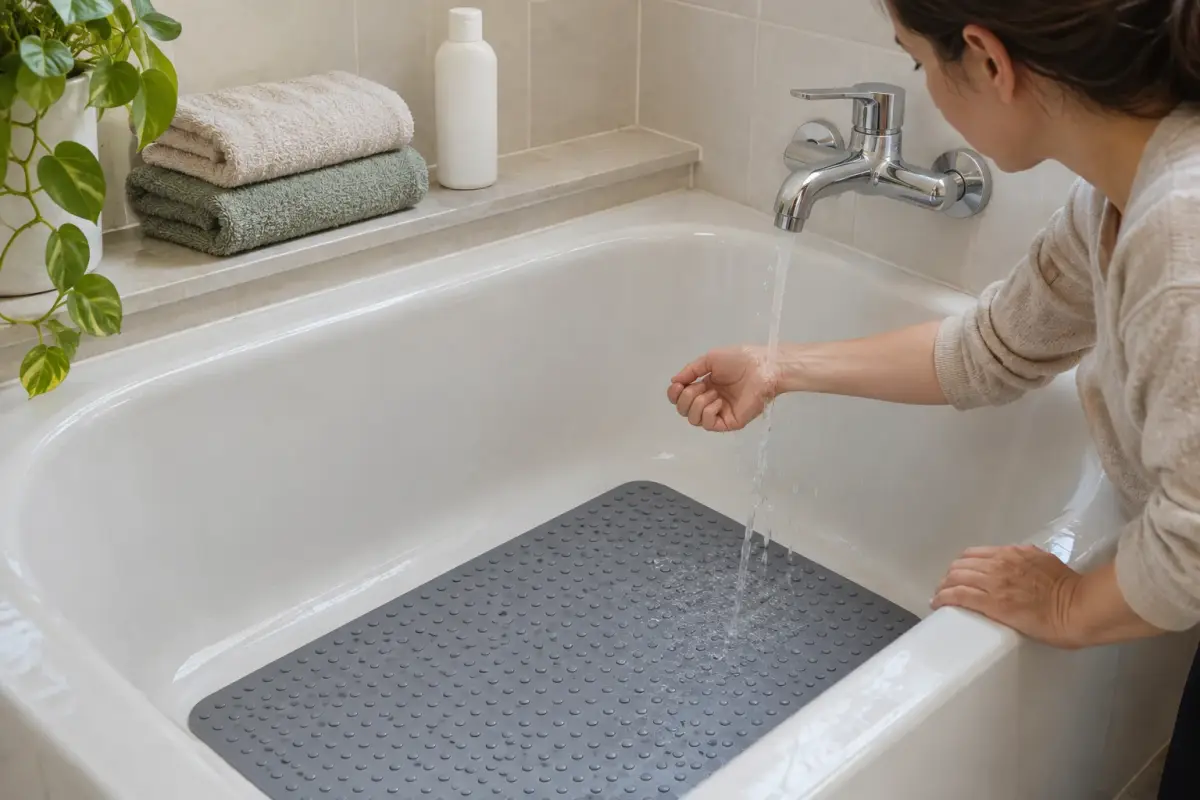
Brush out tangles before the bath, because water tightens mats. Wet the coat right down to the skin, which takes longer than you expect on a thick double coat. Dilute concentrated shampoos as the label says, lather from the neck back, and keep suds away from eyes and ears. A silicone pet grooming glove or another dog bath brush helps work the lather down to the skin.
Rinse until the water runs clear, then rinse again. Leftover shampoo is the most common reason a dog itches after bathing. Towel dry and keep the dog warm until the coat is fully dry. If redness, hair loss or a strong smell persists after a bath or two, stop experimenting with products and book a vet check. Once your vet has ruled out a skin problem, you can compare options in dog shampoo.
This page is general information, not veterinary advice, and it cannot replace an examination by the vet who knows your pet.
Common questions
What is a good dog shampoo for sensitive skin?
Look for a soap-free, pH-balanced dog shampoo without fragrance or dyes, often with oatmeal or aloe vera. If your dog still itches, the cause may be allergies, parasites or infection, which need a vet rather than a different bottle.
Can I use human shampoo on my dog?
Not as a routine. The AKC notes dog skin is closer to neutral pH than human skin, so human products can dry and irritate it. A single emergency wash will not cause lasting harm, but switch to a dog formula.
Is natural or organic dog shampoo better?
Not automatically. Natural and organic are not guarantees of gentleness, and some plant oils irritate skin. Judge the ingredient list: dog-specific pH, no strong fragrance, no dyes and a full rinse matter more than the label.
How often should I wash my dog with shampoo?
Most dogs do well with a bath every four to eight weeks, or when they get dirty. Dogs with oily coats or skin conditions may need a different routine, and your vet can set one.
What shampoo do groomers use?
Groomers usually use concentrated, professional dog shampoos chosen by coat type, diluted before use, and often followed by conditioner. The principles are the same at home: a dog-specific, soap-free formula and a very thorough rinse.
Sources we checked
This guide is general information, not veterinary advice. If your pet is unwell or injured, contact your veterinarian.


