






Care & how-to
Antifreeze Poisoning in Dogs and Cats: What to Do Now
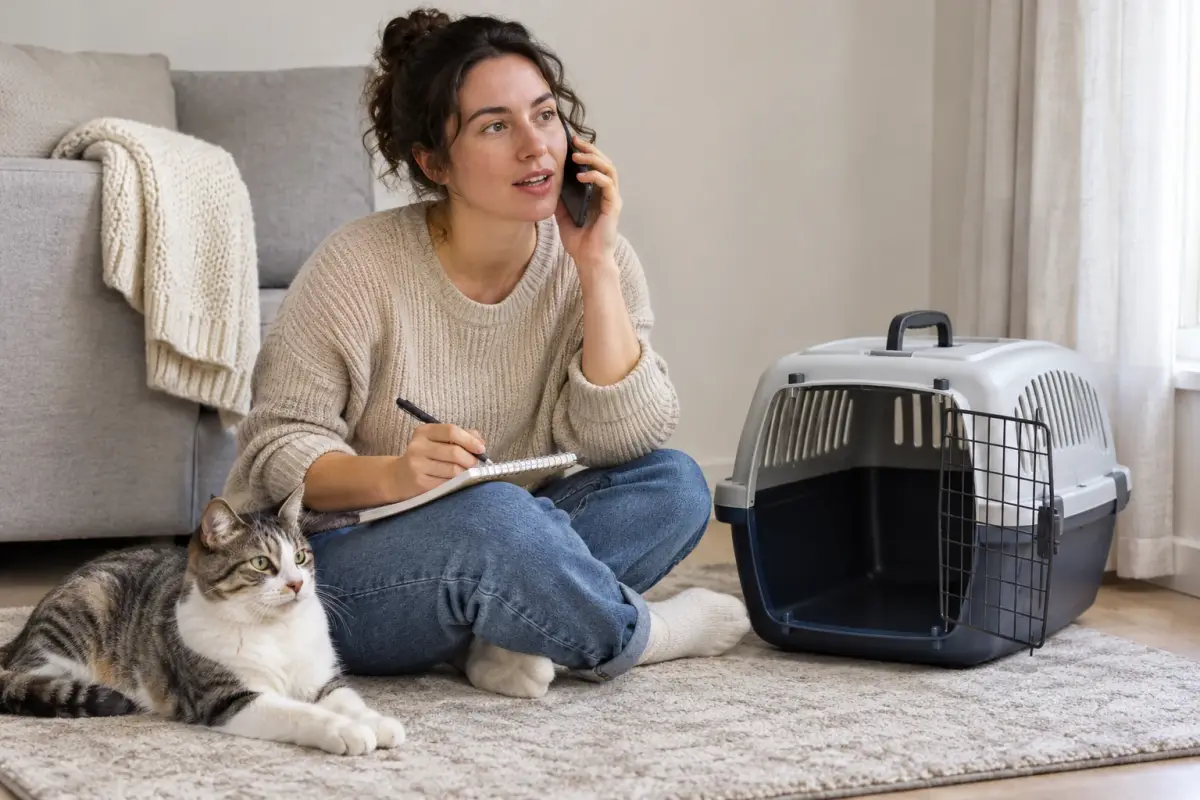
If you think your dog or cat has licked or drunk antifreeze, call your vet or the nearest emergency vet immediately and start driving. Antifreeze contains ethylene glycol, which can cause fatal kidney failure, and the antidote only works if it is given early: within about 3 hours for a cat and 8 to 12 hours for a dog. Call ASPCA Animal Poison Control at (888) 426-4435 or Pet Poison Helpline at (855) 764-7661; a fee may apply.
By Matt GarnettUpdated November 14, 20264 min read2 sources
What to do right now
Do not wait to see whether your pet gets sick. Antifreeze is one of the few poisons where an hour can decide the outcome, because the treatment works by stopping the body from turning ethylene glycol into the compounds that destroy the kidneys, and once that has happened there is no antidote. Call your vet or an emergency clinic, tell them you suspect antifreeze, and go straight in.
Bring the container or a photo of the label if you can, and tell the vet when the exposure happened and how much might be missing or spilled. Do not try to make your pet vomit at home unless a vet instructs you to, and do not give any home remedy. Vets can run a blood test for ethylene glycol, but it is most useful early, so the sooner your pet arrives the better.
Why antifreeze is so dangerous
Most car radiator coolant is nearly pure ethylene glycol. It tastes sweet, so dogs and cats will lap up a puddle under a car, and very little is needed to poison them. Pet Poison Helpline warns that as little as a teaspoon can be fatal to a cat and one to two tablespoons can be fatal to a dog, depending on its size. Cats are poisoned by smaller amounts and deteriorate faster.
Ethylene glycol itself causes drunkenness, but the real damage comes from what the liver turns it into. Those breakdown products form calcium oxalate crystals in the kidneys, causing acute kidney failure. The Merck Veterinary Manual notes that the outlook gets worse the longer treatment is delayed, and animals that already have severe kidney failure have a poor prognosis.
Signs of antifreeze poisoning by stage
In the first stage, from about 30 minutes to 12 hours after drinking it, a pet looks drunk: staggering, poor coordination, vomiting, drooling, heavy thirst and frequent urination, sometimes with seizures. In the second stage, around 12 to 24 hours, those signs can seem to fade. This apparent recovery is dangerous, because damage continues inside and owners understandably relax.
In the third stage, kidney failure sets in: within about 12 to 24 hours in cats and 36 to 72 hours in dogs. Signs include lethargy, loss of appetite, vomiting, drooling, mouth ulcers, fast breathing, dehydration, producing little or no urine, seizures and coma. By this point treatment is far less likely to work, which is why every source urges acting on suspicion rather than symptoms.
How vets treat it
Treatment is a race against the clock. Very soon after ingestion, a vet may empty the stomach and give medicines to limit absorption, then start intravenous fluids to help flush ethylene glycol out in the urine. The key step is an antidote, either fomepizole or medical-grade ethanol given in hospital, which blocks the liver from converting ethylene glycol into its toxic products.
Pets usually stay in hospital for a few days of fluids and repeated blood tests. Those treated early often recover fully. If the kidneys have already failed, treatment becomes intensive supportive care and, in some specialty hospitals, dialysis, and the outlook is guarded to poor. Never give alcohol at home: dosing it correctly requires monitoring in a clinic.
Where ethylene glycol hides
Radiator coolant is the main source, and spills and leaks are most common in winter and summer, when people top up their cars. Pet Poison Helpline also lists windshield deicers, some brake fluids, motor oils, photo developing chemicals, wood stains, solvents and paints. Some vacation cabins add antifreeze to toilets in winter, and dogs drink from them.
Snow globes are a surprising source: some imported ones have contained ethylene glycol, so a cracked globe on the floor is a real hazard. Treat any sweet-smelling, brightly colored liquid of unknown origin as dangerous. If you visit a mechanic's yard, garage or parking lot with your dog, keep them on a short leash and away from puddles.
How to prevent antifreeze poisoning
Store antifreeze and other car fluids in their original sealed containers on a high shelf or in a locked cabinet, and throw out old product safely. Clean up drips immediately and cover the area with cat litter or sawdust to soak up the residue, then sweep it away, so pets cannot lick the ground. Check under your car regularly for leaks.
Consider a propylene glycol coolant, which Merck describes as less toxic and lacking the sweet taste that attracts animals, though it is not completely harmless. Keep cats indoors, or at least away from driveways and garages, and ask neighbors who fix their own cars to do the same. Save the poison control numbers in your phone today.
This page is general information, not veterinary advice, and it cannot replace an examination by the vet who knows your pet.
Common questions
How long does antifreeze take to affect a dog?
Signs that look like drunkenness can start within 30 minutes. Kidney failure usually follows in 36 to 72 hours in dogs. Treatment needs to begin within about 8 to 12 hours, so go to a vet immediately.
Can a dog survive antifreeze poisoning?
Yes, if treatment starts early, before the kidneys are damaged. Survival drops sharply once kidney failure develops, which is why vets ask you to come in as soon as you suspect exposure, not when signs appear.
Is antifreeze poisoning worse in cats?
Yes. Cats are poisoned by smaller amounts, and their treatment window is shorter, about 3 hours. Kidney failure can begin within 12 to 24 hours, so a cat needs a vet even faster than a dog.
Is pet-safe antifreeze really safe?
Propylene glycol antifreeze is less toxic and less attractive to pets than ethylene glycol, but it is not harmless. Store and clean up every kind of antifreeze carefully, and call your vet if your pet drinks any.
Sources we checked
This guide is general information, not veterinary advice. If your pet is unwell or injured, contact your veterinarian.